
The Newest Michelin Stars in NYC
New York’s newest Michelin stars have officially been announced, marking a standout year for the city’s culinary landscape. Sushi Sho rises to the top with a coveted three star rating, while Joo Ok earns an impressive two stars, solidifying its place among the city’s most exceptional kitchens. Four restaurants join the Michelin guide for the very first time, each awarded one star: Bridges, Muku, Huso, and Yamada. Together, they showcase the depth, creativity, and artistry that continue to define dining in New York.
Map
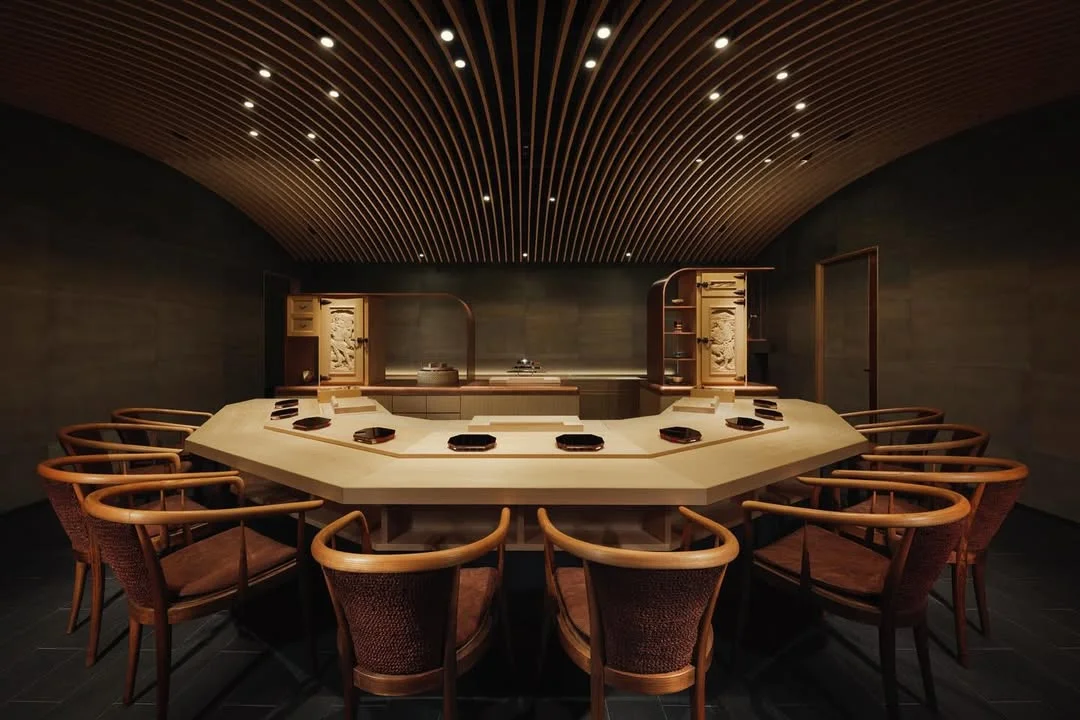
Sushi Sho
Elevated to a rare three Michelin stars in 2025, Sushi Sho redefines omakase in New York with its masterful blend of centuries-old Edomae techniques and inspired modern creativity. The serene, intimate space is a study in understated luxury, allowing the seasonally driven, meticulously composed nigiri to take center stage—each piece a testament to the chef’s reverence for both Japanese heritage and New York’s local bounty. Diners are treated to a uniquely interactive service, where the chef curates a truly bespoke journey through rare fish, innovative pairings, and surprising textures, all delivered with a warmth that makes every guest feel like an honored insider. Sushi Sho stands as a cultural and culinary landmark, drawing epicures from around the globe to experience the pinnacle of sushi craftsmanship.
Joo Ok
The way up is a freight elevator with a hand crank and a metal gate, worked by an operator, from the cement-walled entrance of a 1913 building on West 32nd Street. Sixteen floors later it opens on a skylit vestibule and a 200-year-old pine trunk brought from Korea. Junho Choi of Two Point Zero worked the office floor into a modern hanok for forty seats, and the square patterning carries through it in wood and jade, joo ok meaning threading precious jade marbles. The madang is an interior garden of the industrial sort, and its ceiling window frames the Empire State Building, while cut-outs elsewhere give onto the rest of midtown. The main dining room is quieter, neutral tones and wood, two seatings a night. Chang-ho Shin opened Joo Ok in Seoul in 2016 and closed it there before reopening on West 32nd Street in September 2024, with his manager, a sous chef and a line cook, families included, following him across. Hand Hospitality brought him over, and the group's two acres upstate are farmed with Junghyun Park of Atomix, Hoyoung Kim of Moono and Dongsik Ok of Okdongsik. He moved because he wanted to be challenged. The twelve courses cost $280 and rest on what the kitchen makes rather than buys, every jang fermented by hand, the perilla oil cold-pressed weekly from seeds grown at the restaurant's farm in Bloomingburg. Jat jeup chae sets lightly poached lobster and Korean pear in a sauce of pine nuts pressed from local ones, which Shin found more pungent and less sweet than the Korean ones, so he rebuilt the dish around the difference. Every recipe is going that way.
Huso
Tucked behind the refined façade of Marky’s Caviar, Huso invites diners into an elegant, jewel-box space where every detail whispers exclusivity and sophistication. Chef Buddha Lo, a two-time Top Chef winner, curates a 12-course tasting menu that masterfully showcases rare delicacies—think beluga caviar, white truffles, and foie gras—all presented with breathtaking artistry and precision. The atmosphere is polished yet intimate, with just 26 seats and a private dining room, ensuring that every guest receives attentive, personalized service in a setting that feels like a well-kept secret. From the opulent bread service to the theatrical presentation of dry-aged duck, Huso transforms dining into an unforgettable celebration of culinary craftsmanship and indulgence.
Yamada
Yamada is an exquisite 10-seat chef’s counter where Chef Isao Yamada masterfully presents a seasonal kaiseki menu rooted in tradition yet elevated with innovative flair. The atmosphere is one of quiet reverence, with the minimalist hinoki-wood counter and gentle lighting inviting guests to slow down and savor each meticulously crafted course. Every detail—from the harmonious progression of flavors to the concluding tea ceremony—reflects a deep respect for seasonality, artistry, and Japanese culinary heritage. This MICHELIN-starred sanctuary promises an immersive, celebratory journey that lingers in memory, perfect for special occasions or moments of reflection.
Muku
Stepping into Muku, guests are transported to a serene enclave where executive chef Manabu Asanuma’s mastery shines through a rare goho-inspired tasting menu, weaving together all five classical Japanese cooking techniques—raw, grilled, simmered, steamed, and fried—in a symphony of flavors. The minimalist, sophisticated space sets the stage for a deeply intentional dining experience, where every course is a testament to the traditions of kaiseki and the chef’s celebrated pedigree. Signature dishes, such as foie gras chawanmushi and hairy crab in shio-koji tomato soup with caviar, showcase an unwavering devotion to seasonality and culinary precision. Muku’s Michelin star distinction affirms its place among New York’s most exceptional Japanese restaurants, inviting guests to savor artistry at its highest expression.
Bridges
Tucked within the vibrant heart of Chinatown, Bridges enchants with its quietly theatrical atmosphere—cool gray walls, tan floors, and intimate black booths evoking the intrigue of a modern-day heist film. The menu, helmed by Chef Sam Lawrence (an alum of Estela and The NoMad), dazzles with dishes that elevate culinary classics—think buttery uni custard under shimmering spicy oil, grilled king crab with Béarnaise, and a now-iconic Comté tart that has captivated New York’s food cognoscenti. Bridges’ amber-hued dining room radiates bistro warmth, offering the perfect canvas for an ambitious kitchen to showcase its creative, complex fare with European flair. The result is a truly transportive experience, where every detail—from the expertly composed plates to the cosmopolitan crowd—invites lingering conversation and lasting memories.


