Travel
Exqz curates the world's most exquisite places, experiences, and city guides. Discover handpicked destinations, things to do, and travel stories from around the world.
New York City
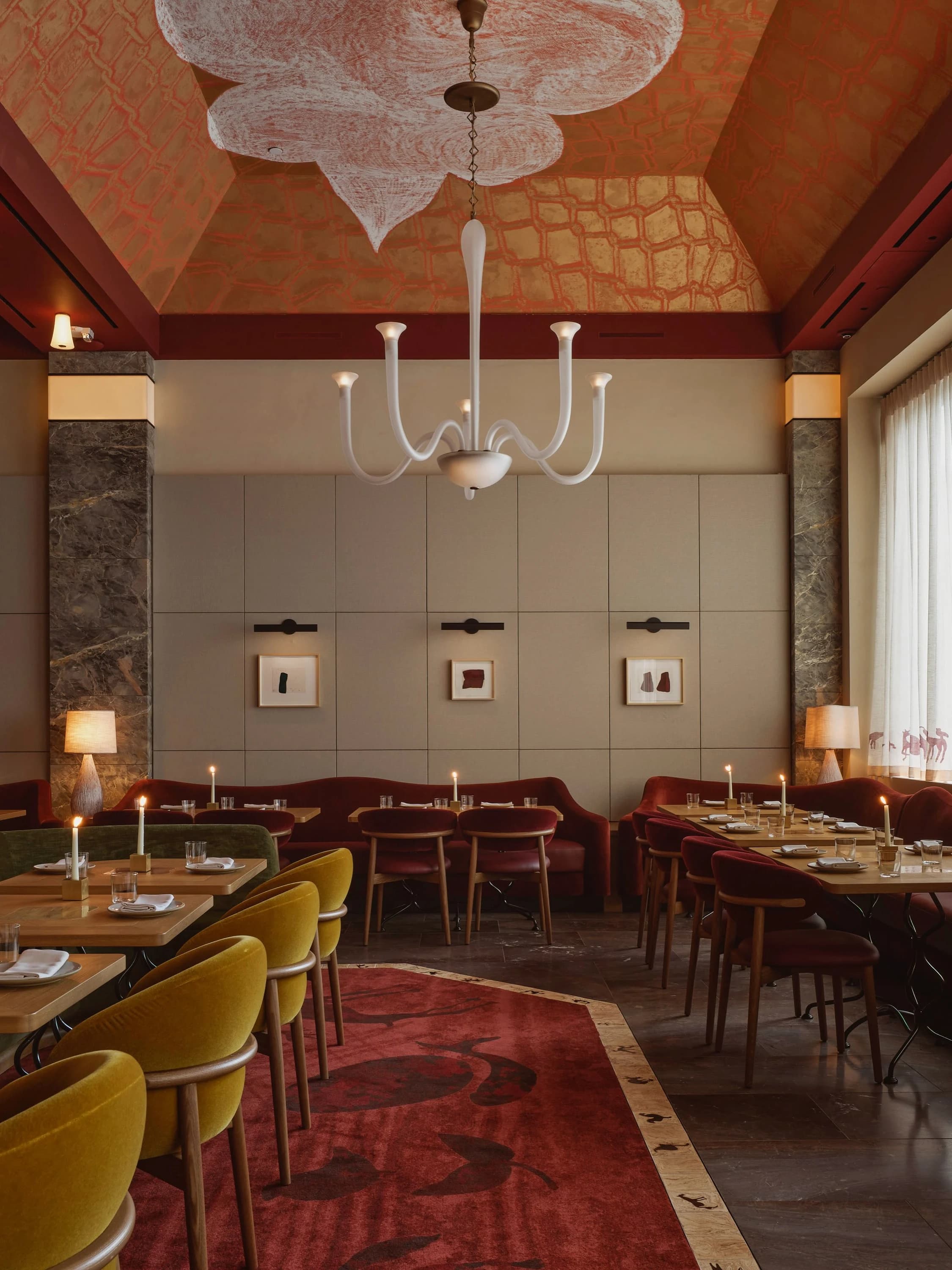
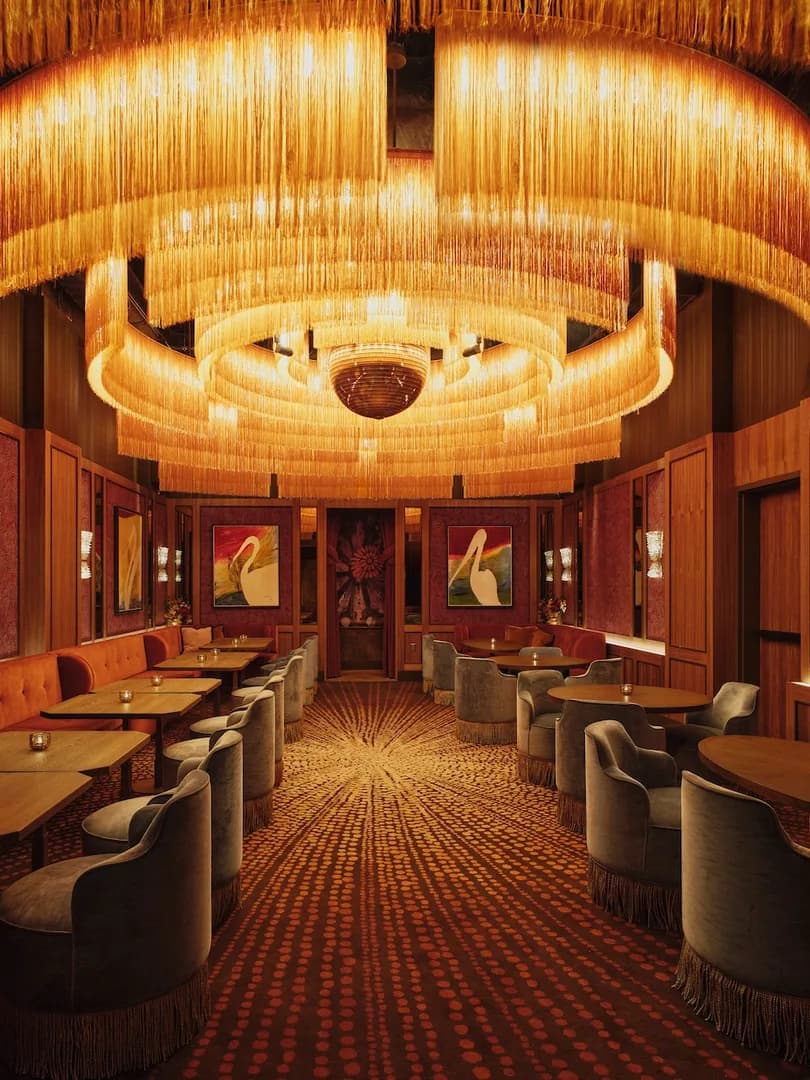
Bar CC opened on September 25 at 85 Tenth Avenue in West Chelsea. The Crane Club team's cocktail and wine bar pairs Harrison Ginsberg's drinks and more than 1,000 wines with a short list of small plates from chef Melissa Rodriguez, in rooms of velvet, walnut and fringed chandeliers.
Travel
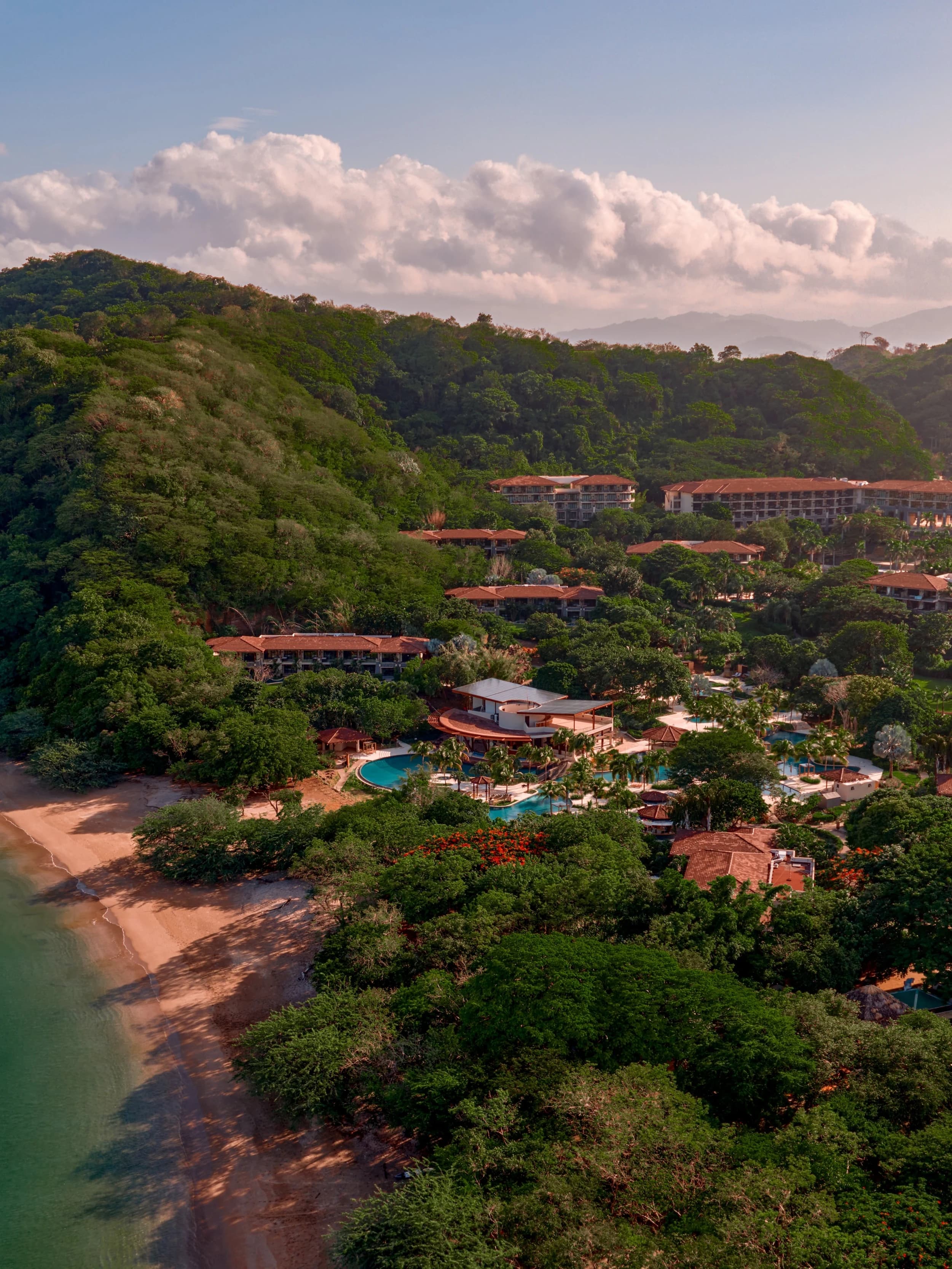
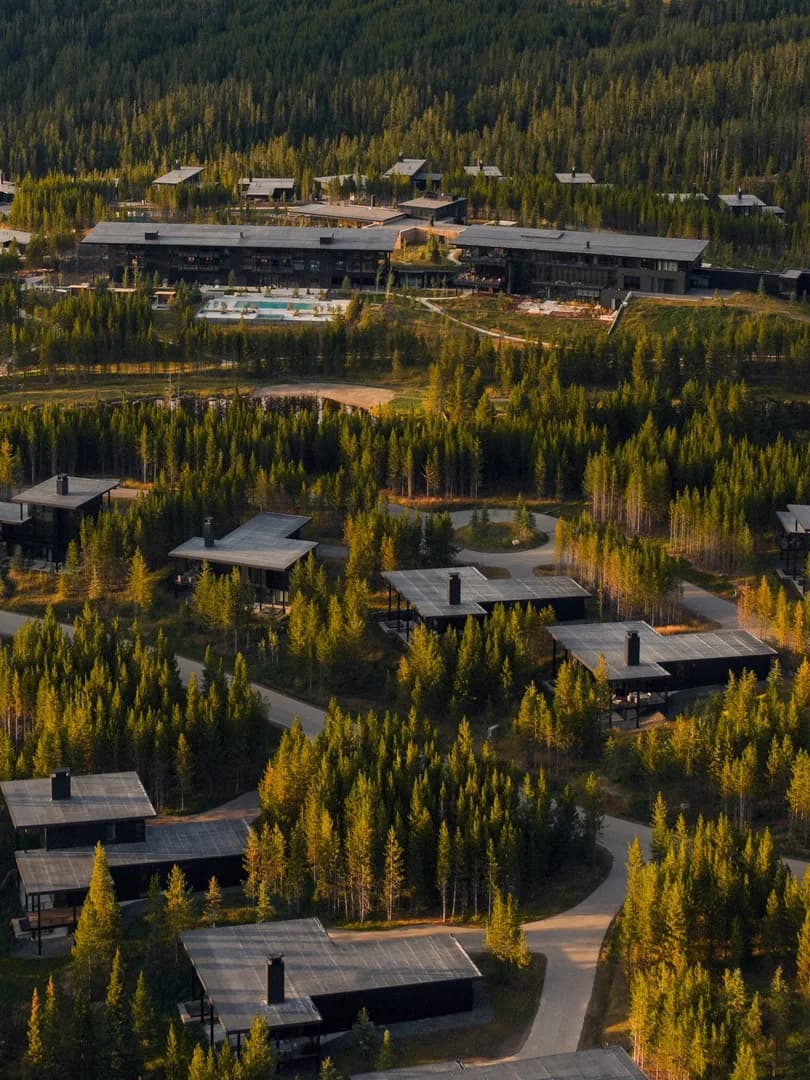
Eight US hotels went straight to Two MICHELIN Keys in 2026 without holding a Key the year before. The list runs from One&Only's first American resort in Montana to the restored Waldorf Astoria New York.
New York City
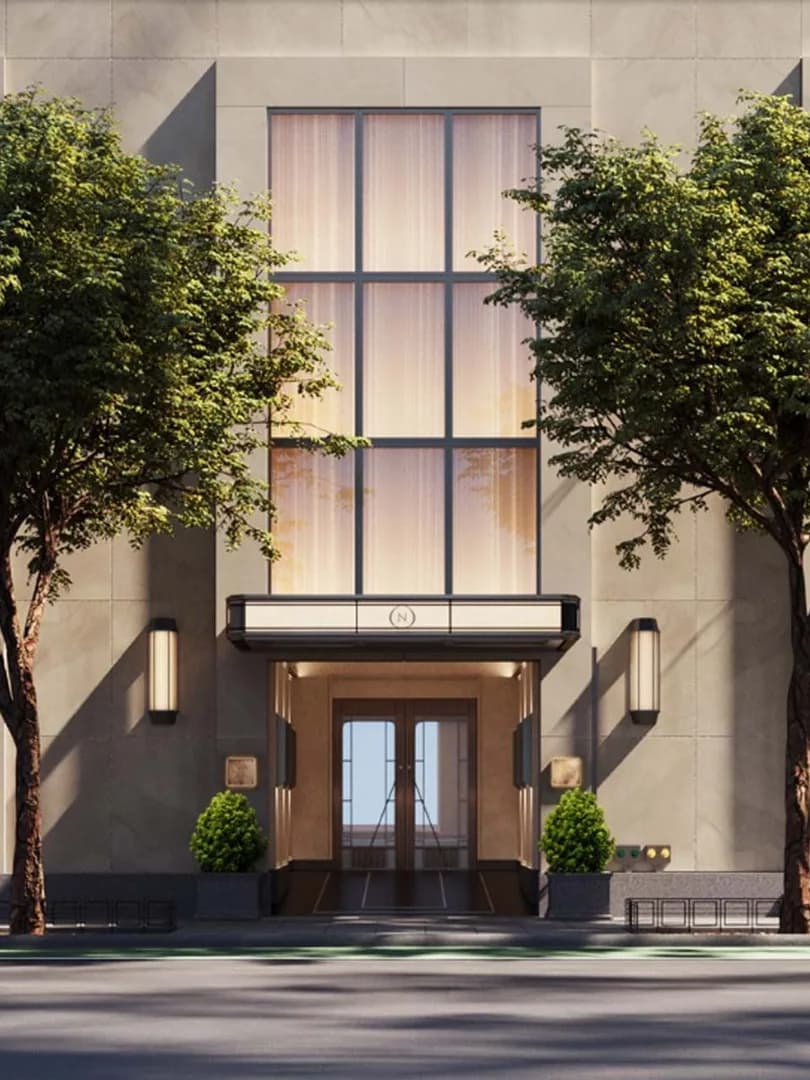
The Nell New York opens in fall 2027 at 10 Rockefeller Plaza as the first hotel within Rockefeller Center. Rockwell Group designed its public spaces as a Manhattan townhouse, and Pierre & Co. gave the 134 rooms a persimmon accent inspired by Radio City Music Hall's curtains.
Food
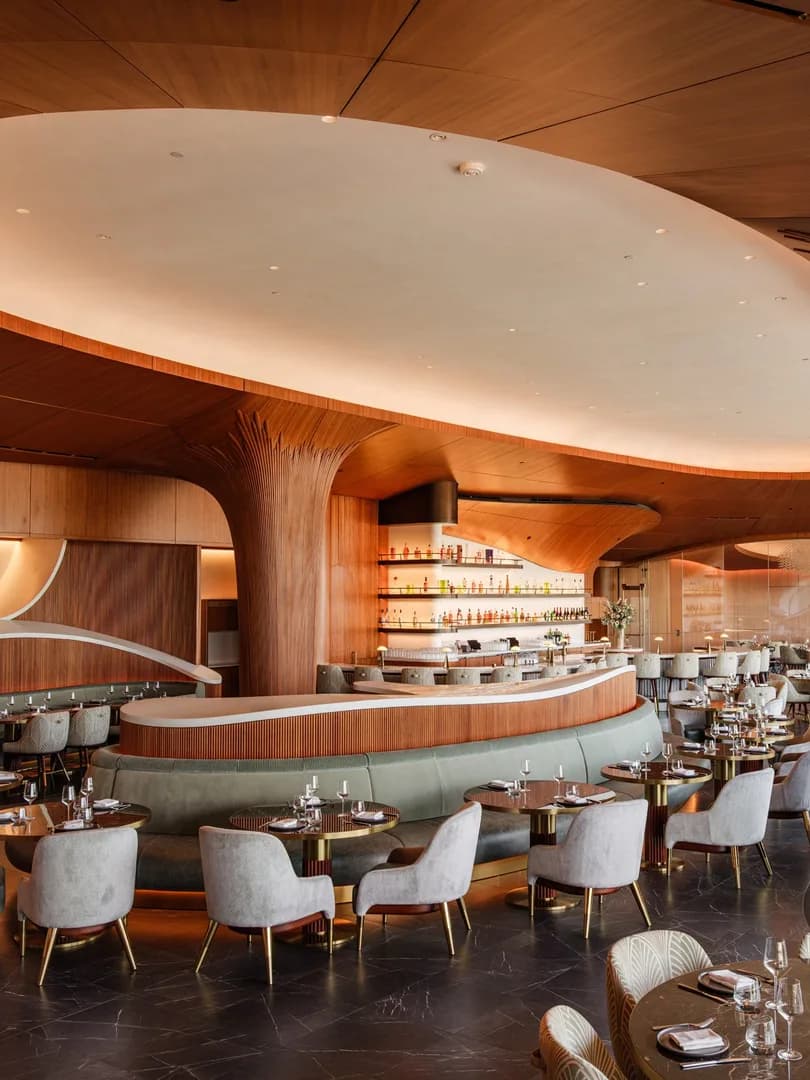
Skywalker Grill, the restaurant atop the new Lucas Museum of Narrative Art, opened with the museum on September 22. Rockwell Group wrapped it in curved cherry wood with no 90-degree angles, and the terrace looks toward Downtown Los Angeles.
New York City
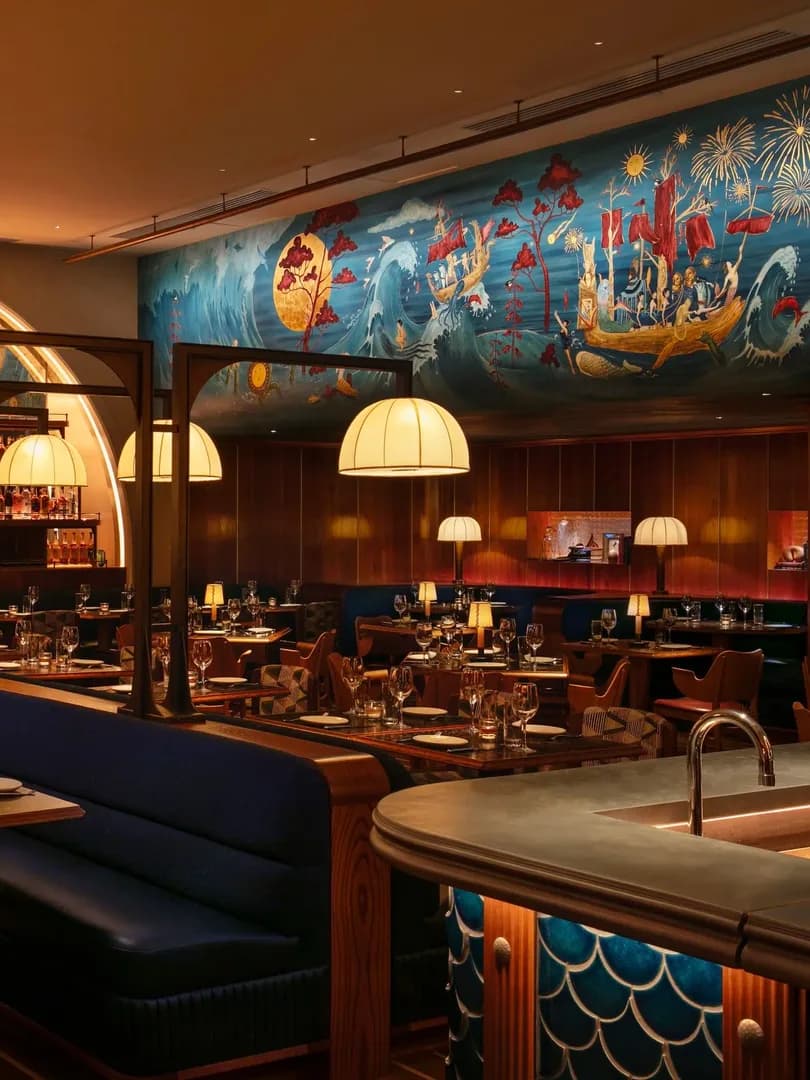
A live jazz band plays Saturday brunch at Seahorse, the seafood restaurant and raw bar at W New York – Union Square, with bottomless spritzes, four oysters per guest and an entrée such as golden pancakes, eggs Benedict or shakshuka.
New York City
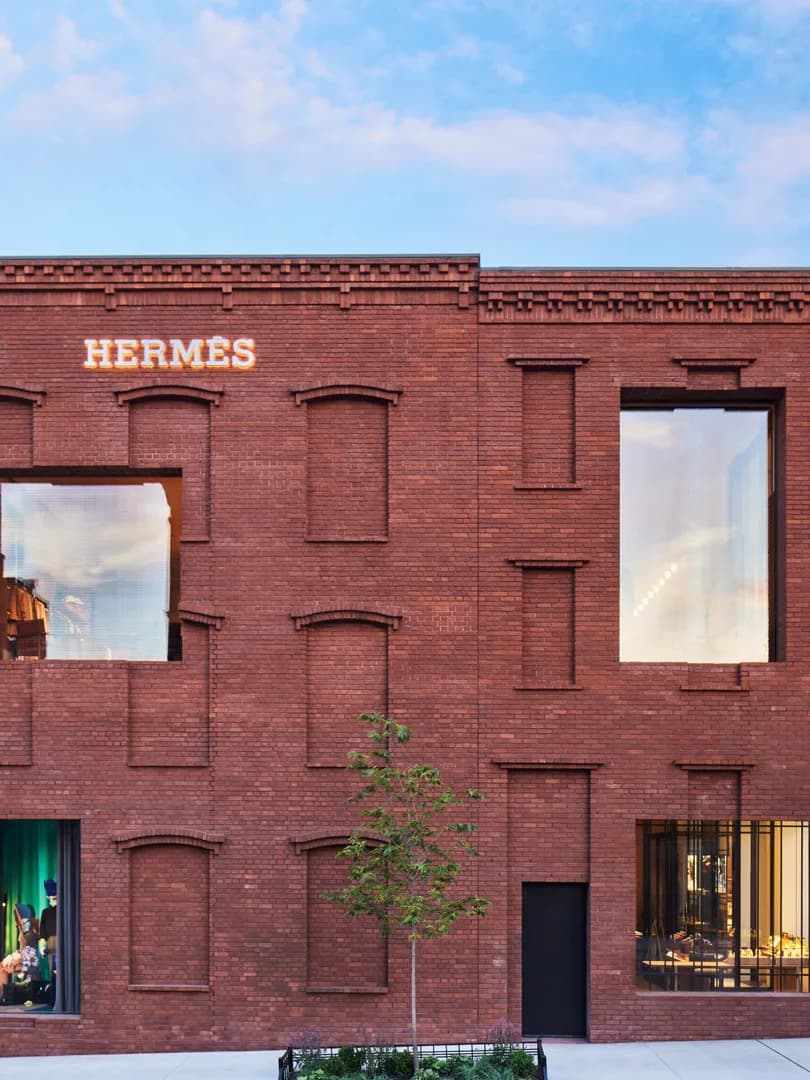
Hermès has opened its first permanent Brooklyn store at 130 Berry Street in Williamsburg: two floors designed by RDAI behind a collage of five brick façades, a leather-wrapped staircase modeled on the city's fire escapes, and windows by Antoine Platteau and Christina Zimpel.
Travel
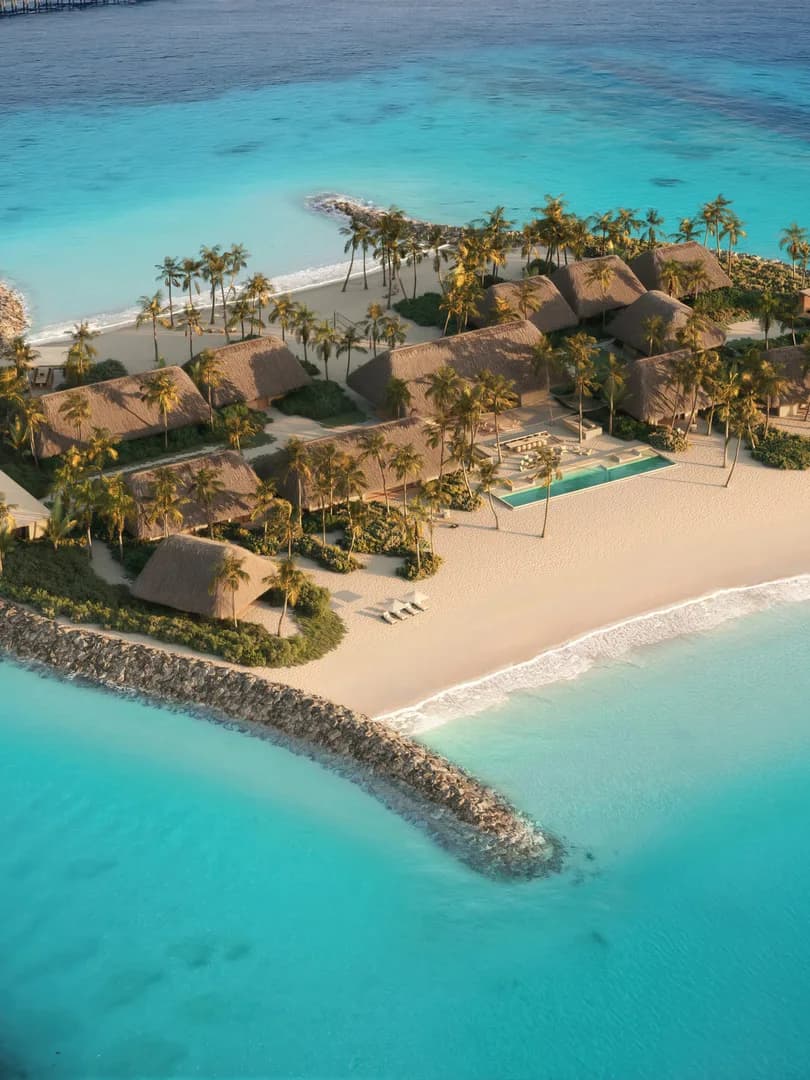
Aman's first resort in the Maldives will be Amanolu, opening in 2028 in Vaavu Atoll: a 52-key resort by Kerry Hill Architects, islands for wellness and recreation, and 16 five-bedroom residences, each on an island of its own.
Design
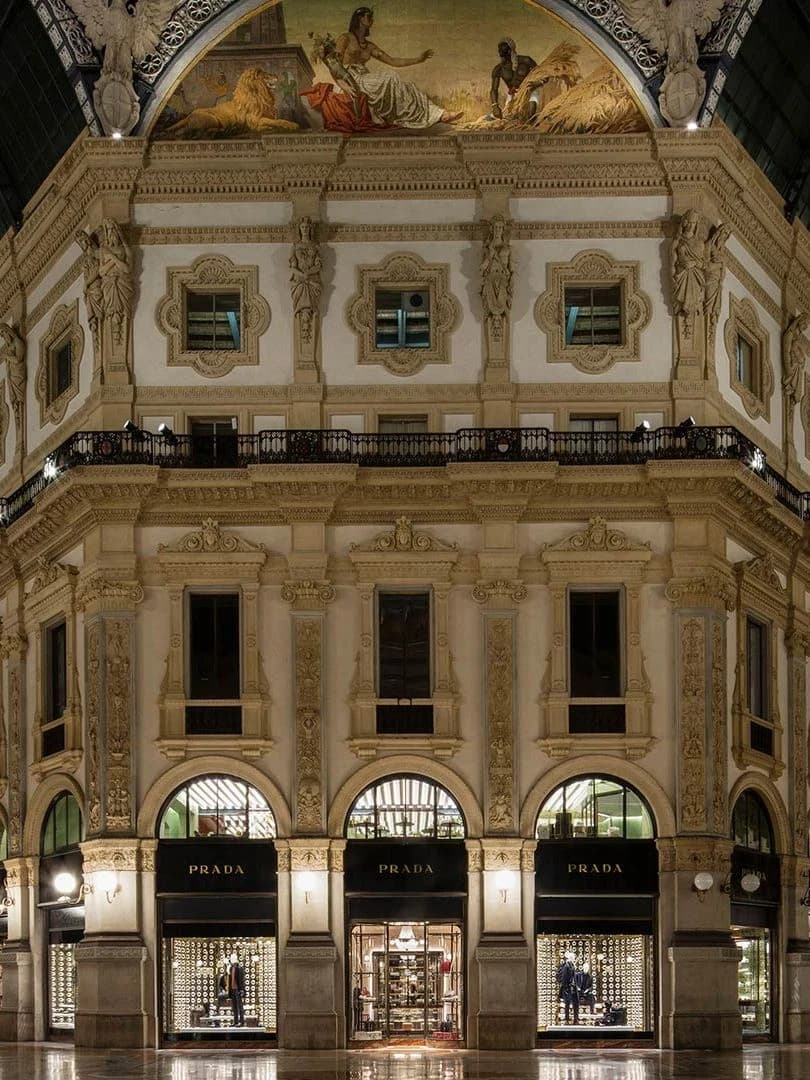
Prada Galleria opened September 23 in Milan's Galleria Vittorio Emanuele II: the women's and men's stores joined by a passage under the octagon, Marchesi 1824, the Pradasphere exhibition, two invitation-only floors, and Fondazione Prada's Osservatorio under the dome.

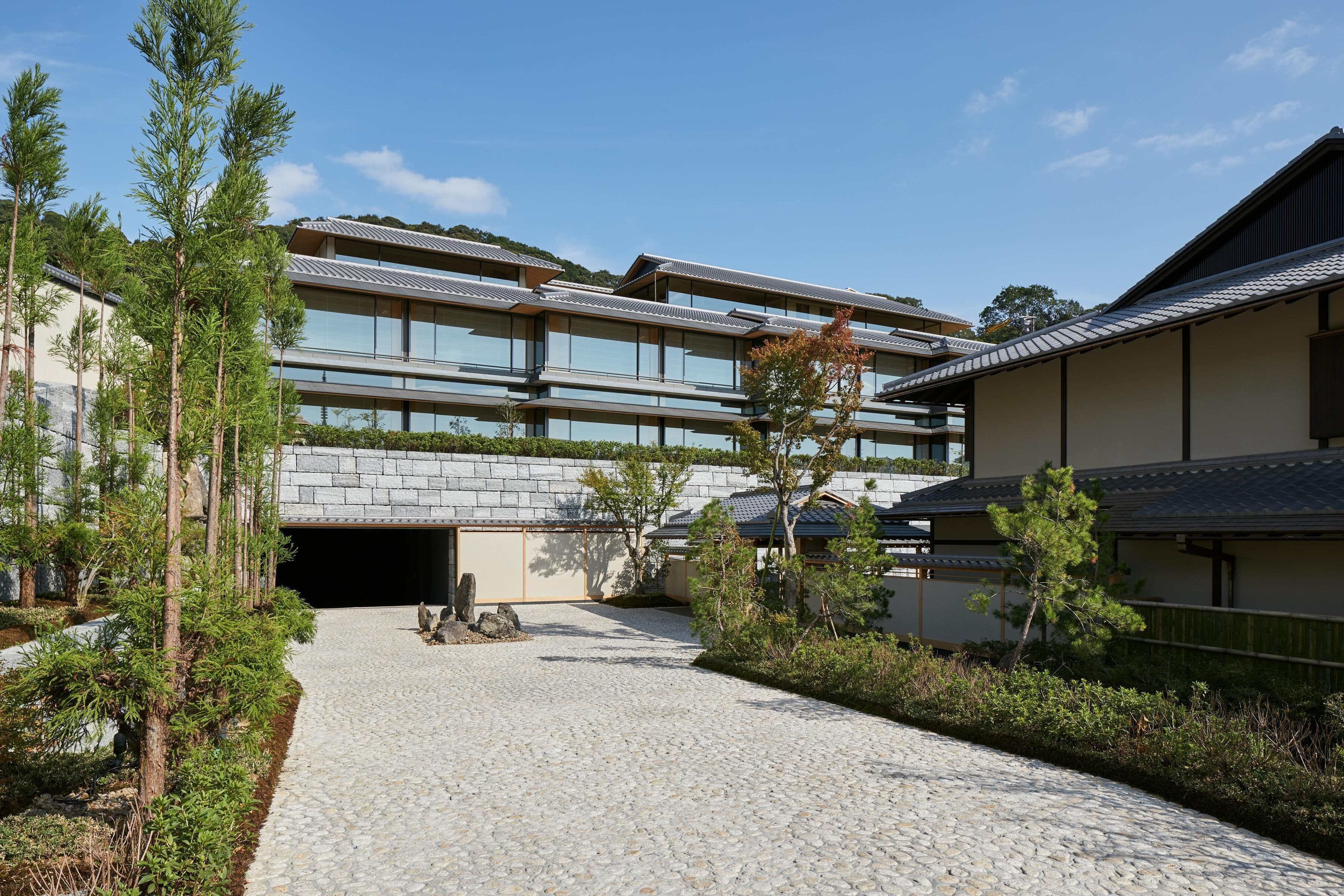
The ground floor is still a working ferry terminal, and the boats to Governors Island load below while the hotel keeps its own porte-cochere and lobbies off the side. Upstairs, the harbor is the whole view. Walker and Morris finished the Battery Maritime Building in 1909, a Beaux-Arts ferry house in iron and copper that the city landmarked in 1967 and that spent later decades holding municipal paperwork. In the conversion completed in 2021, Marvel rebuilt the third and fourth floors into guestrooms and set a glass addition on the water-facing elevation to carry the club above, with Thierry Despont's office taking the interiors. Of the Great Hall's 130-foot glass laylight only a failing steel grid had survived, so the pattern was drawn back from old photographs. Twenty-eight rooms and nineteen suites fill those two floors, finished in custom Italian mahogany with marble bathrooms, walk-in wardrobes and Art Deco in the detailing, and turned toward the East River, the Brooklyn Bridge or the Statue of Liberty. Many suites open onto private terraces set under pergolas, and on the Garden Suite the patio is larger than the suite, 807 square feet against 755. The two Presidential Suites, Roebling and Bartholdi, carry wraparound terraces and Loro Piana interiors. A room key opens the club and the wellness floors for the length of the stay, access that is otherwise a matter of membership. The house car runs drop-offs within twelve blocks, shoes are shined daily, and the Times or the Journal arrives with the morning. The boats keep leaving below.

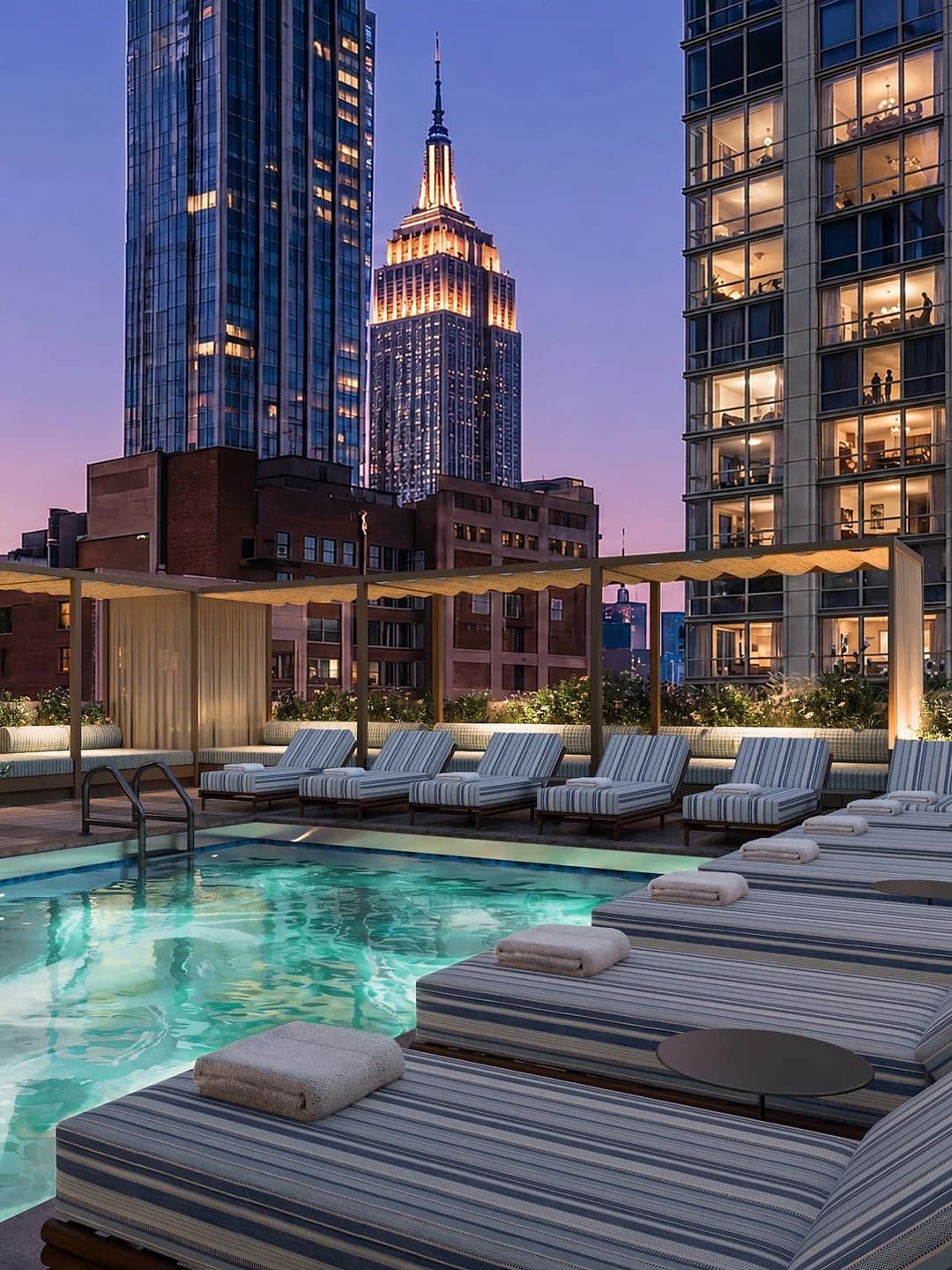
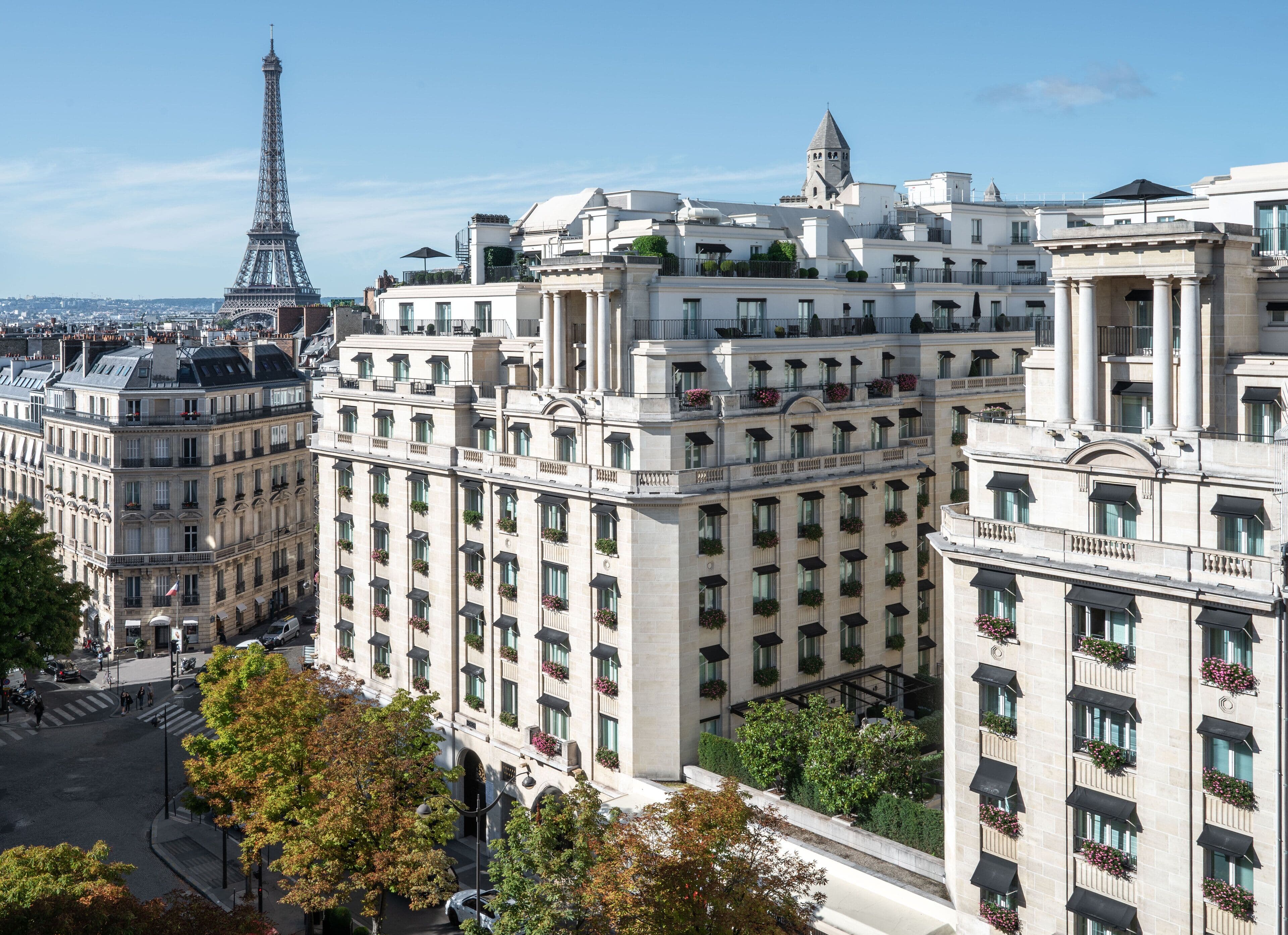
The toile in the rooms was drawn for this building alone, and it plays loose with the map: the Ladder 8 firehouse turns up beside Greene Street, and a pigeon somewhere in the pattern is making off with a croissant. None of it is salvage: the eight stories went up new inside the Tribeca North Historic District, a joint venture between Groupe Barrière and the developer Caspi Development that opened in September 2022, with SBJ Group setting the brick, stone and cast iron of its neighbors against metal screening and an aluminum panel system. The entrance is easy to walk past. Martin Brudnizki ran the interiors toward lavender and almond green, Art Deco furniture, mohair velvet and deep walnut, and gave the ground floor a lobby with nooks to sit in. It is closer to a domestic lounge than a check-in hall. The toile runs through all 97 keys, 65 of them king rooms and 29 corner or terrace suites, and the bathrooms are marble with rain showers. Windows go floor to ceiling at the prestige tier, where the suites add parquet and Calacatta marble. One of the terrace suites opens onto five hundred square feet of outdoor room, over the nineteenth-century brick of the neighborhood. The penthouse holds the top two floors. A cinema called Cannes takes private bookings and runs ticketed screenings by season, and the spa holds five treatment rooms, an indoor pool, a sauna and a steam room. Le Vaux, the rooftop, is members and room keys only, three visitors to a key, its motifs taken from the château at Vaux-le-Vicomte. The season is short.

Basílica de la Sagrada Família
The Basílica de la Sagrada Família stands as one of the world's most extraordinary architectural achievements, a living work of genius where Gaudí's visionary redesign transformed a traditional neo-Gothic commission into something entirely unprecedented. Every element speaks to his revolutionary philosophy: soaring columns modeled after plant stems, 18 symbolically significant towers representing biblical figures, and facades-the Nativity, Passion, and Glory-that narrate Christian stories through stone and light. More than 140 years after the cornerstone was laid in 1882, construction continues, inviting visitors to witness an evolving masterpiece that blends nature-inspired forms with profound spiritual symbolism. The basilica's designation as a UNESCO World Heritage Site reflects its status as not merely a building, but a philosophical statement about the relationship between divine creation and human craftsmanship.

Daici Ano / LVMH
Recently opened in Tokyo's Daikanyama district, the Dior Bamboo Pavilion is the French house's most ambitious concept store in Asia yet, spanning 1,800 square meters across a striking golden bamboo facade that glows like a lantern after dark. The first major retail concept to showcase the collections of new creative director Jonathan Anderson, the pavilion blends Versailles-style parquet flooring and Parisian mouldings with washi paper walls, a Zen garden, and a koi pond, in a deep collaboration with around 20 Japanese artists and designers. The experience culminates at Café Dior, where three-Michelin-starred chef Anne-Sophie Pic presents an exclusive menu bridging French cuisine with Japanese flavors.

Gloria Osteria Paris
Nestled on Rue Saint-Dominique between the Invalides and Eiffel Tower, Gloria Osteria Paris channels pure Italian flair through its glamorous 70s-inspired interior, complete with zebra carpet that evokes Gianni Versace's opulent world. Indulge in pillowy gnocchi adorned with black or white truffle, perfectly al dente cacio e pepe, and Neapolitan pizzas bursting with fresh ingredients, all paired with inventive cocktails like the Pesto Dry Martini. This Big Mamma gem celebrates culinary classics with generous antipasti, creamy burratina, and decadent desserts such as molten chocolate soufflé, offering an aspirational dining experience where every bite transports you to Italy's sun-kissed shores.

Grace Farms
Grace Farms captivates visitors with its visionary River building, a sinuous glass-and-steel structure designed by Pritzker Prize-winning SANAA that elegantly meanders through 80 acres of preserved meadows, woodlands, and ponds. The transparent pavilions dissolve the boundaries between indoors and outdoors, fostering an atmosphere where art, nature, and community seamlessly intertwine. Beyond its breathtaking design, Grace Farms offers a dynamic array of experiences—from intimate performances and thought-provoking art installations to restorative walks along sculpted trails—all imbued with a spirit of reflection and social good. Grace Farms stands as a testament to purposeful placemaking, embracing visitors in a welcoming environment that elevates both mind and senses.