Where Jazz, Fashion, and Tokyo Nightlife Conspired in Perfect Time
For one radiant evening on May 13, 2026, Miu Miu transformed Tokyo into a living salon, part listening room, part cinematic cabaret. The brand reopened its Ginza flagship with a cocktail reception, then carried guests across town to Dance Hall Shinseiki and Tokyo Kinema Club for an intimate program that honored Japan’s storied jazz culture, the kissaten tradition of devoted listening, and the women who animate both the scene and Miu Miu’s world. Hiromi’s virtuosic piano held the ballroom spellbound, British singer Arlo Parks closed the night with soulful clarity, and the city itself became the stage, a study in mood, memory, and style.
Tokyo, May 13, 2026. The city’s after-dark personality, all satin glimmer and whispered anticipation, found its mirror in the Miu Miu Jazz Club, a one-night celebration that unfolded like an exquisitely plotted film. Guests first gathered at the newly renewed Ginza flagship for an elegant prelude, then flowed to a preserved Showa-era ballroom and a beloved former cabaret, moving through Tokyo as though the streets themselves were a score. The result, part fête, part homage, was not only a reopening, it was a love letter to Japan’s jazz legacy and to the art of listening.


The Overture, Ginza
Inside the refreshed flagship, a pale blue palette and warm oak created a serene stage for conversation and discovery. Guests previewed the 2026 Miu Miu Upcycled collection ahead of its campaign launch on May 18, a gesture that tied craft and creativity to the evening’s cultural spirit. Outside, fans gathered for a glimpse of brand ambassador Wonyoung of Ive, a modern icon whose arrival signaled the night’s blend of fashion, music, and magnetic star power. Champagne flutes chimed, vintage jazz selections set the pace, and the promise of movement carried everyone toward the next act.
Act One, Dance Hall Shinseiki
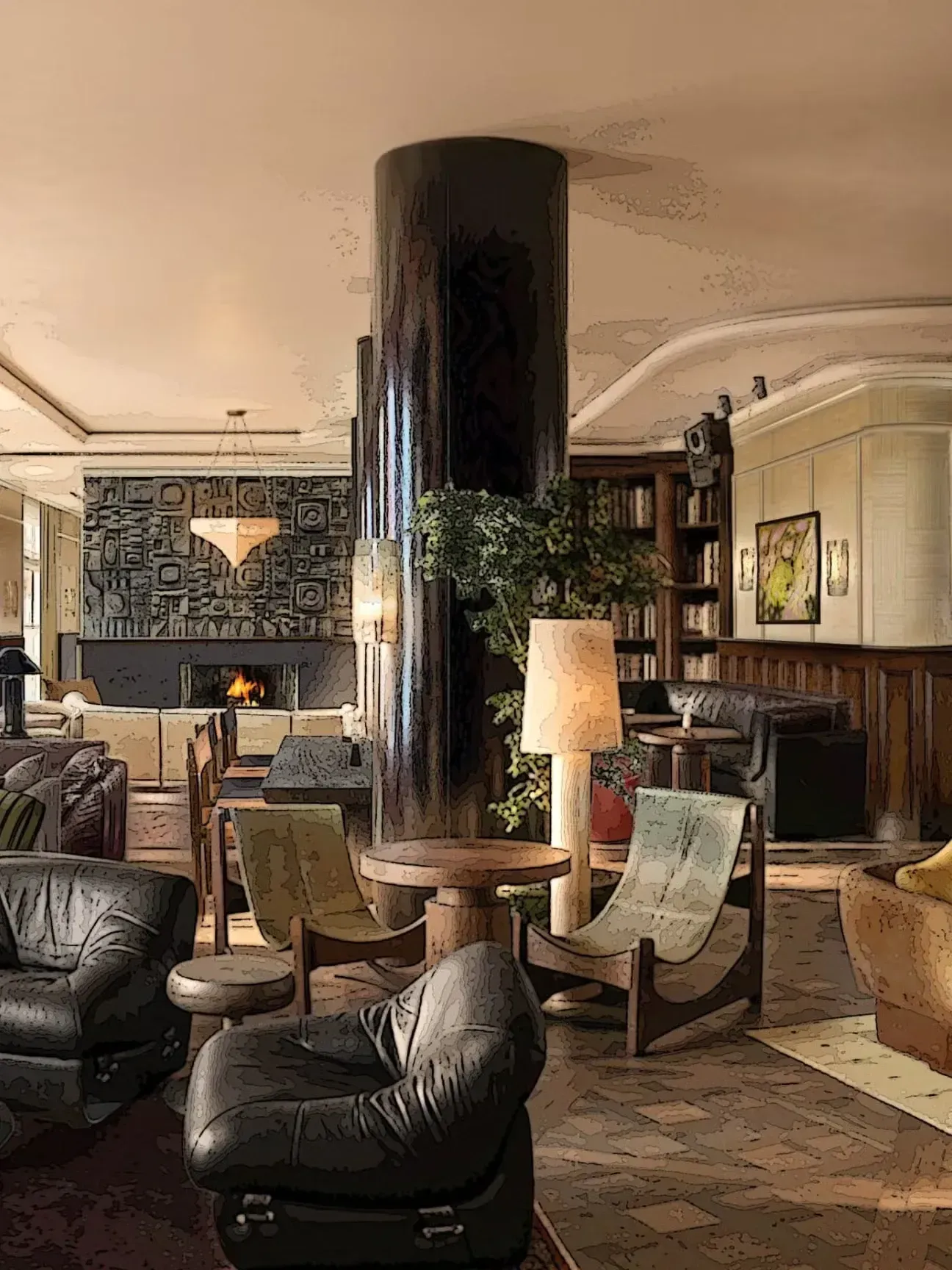
Opened in the late Showa years and considered a living time capsule, Dance Hall Shinseiki provided a dreamlike setting. Crimson curtains, mirrored walls, and small tables with cotton-shaded lamps summoned the spirit of the jazz kissa, those beloved listening cafés where records were revered and silence was a form of respect. Here, sound was sculpture, and the audience became part of the architecture.
The program moved with a curatorial precision. Tokyo multi-instrumentalistLily, a selector whose “after hours” vinyl sets are prized for nuance and warmth, opened the room with deep house, soul, and jazz that felt like the city breathing. TrumpeterReiya Terakubo, born in Hokkaido and part of a new vanguard blurring genre borders, answered with a performance that braided hip hop, funk, and R and B into a jazz lineage that felt both reverent and forward.
Then came the hush.Hiromi, Japan’s Grammy-honored pianist and composer, took the stage and held it utterly. The dynamics soared from crystalline pianissimos to percussive bursts, the keyboard a landscape she crossed with athletic grace. In a room designed for dance, her music made the air itself move, a reminder that jazz, at its finest, is an exchange of energy, a conversation without words.
Entr’acte, The Language of Listening
Miu Miu framed the evening with two Japanese concepts,ma, the charged pause that gives shape to sound, andshizen, the natural emergence that lets a phrase find its form. The club was conceived as a contemporary salon, intimately scaled and attentive, inspired by Japan’s kissaten culture and the women who have long defined how jazz is heard and reimagined here. The perspective felt deeply modern, equal parts scholarship and style, a dialogue that honored the past while inviting new voices to the table.
Act Two, Tokyo Kinema Club
Next door, the Tokyo Kinema Club extended the mood into a more cinematic register. Once a cabaret, now a performance landmark, it became the setting for the night’s closing chapter. British singer and writer Arlo Parks filled the room with intimate lyricism, a silken counterpoint to the ballroom’s bravura. Guests sipped yuzu cocktails, the lights glowed like old film, and the atmosphere settled into that rare blend of glamour and grace that Tokyo achieves so effortlessly when the hour grows late.


Design as Experience
What distinguished the Miu Miu Jazz Club was the way design directed feeling. At Ginza, velvet stairs and the soft geometry of pale blue surfaces signaled quiet luxury and welcome. At Dance Hall Shinseiki, period details, from damask walls to stage drapery, created a dialogue between memory and modernity. At Kinema Club, the room’s layered history lent every note a patina, a suggestion that past evenings were listening along. The brand’s scenography edited without erasing, it treated Tokyo’s venues as partners, not backdrops.
The Cast, A Cosmopolitan Chorus
The guest list glimmered with cross-cultural energy. Wonyoung greeted a sea of admirers at the flagship, a moment that captured the modern choreography of fandom and fashion. Inside the venues, the audience included artists and actors whose presence underscored the club’s salon ethos, a gathering where disciplines meet and the city’s creative community recognizes itself in the crowd. It was convivial, elegant, and deeply Tokyo.
Why It Mattered
Miu Miu’s cultural programming, from film to literature to music, has long built bridges between fashion and the arts. In Tokyo, that philosophy resonated with rare clarity. The Jazz Club elevated the relaunch of a three-level flagship into a portrait of place, a study of how people here listen, dress, and gather. It honored the country’s singular journey with jazz, from the first dance halls of the early twentieth century to the listening cafés that shaped postwar nights, then to a new generation defining the sound today.
Details That Sang
Date: May 13, 2026, aligned with the reopening of Miu Miu Ginza and a preview of the 2026 Upcycled collection, whose campaign launched May 18.
Venues: Dance Hall Shinseiki, a preserved Showa-era ballroom near Ueno, followed by the Tokyo Kinema Club for the night’s finale.
Program: Lily on high-fidelity vinyl, Reiya Terakubo’s boundary-crossing live set, Hiromi’s tour de force, and an afterparty performance by Arlo Parks.
Design Notes: Red velvet curtains, mirrored walls, cotton-shaded lamps, and period damask captured the kissaten mood of attentive, almost ceremonial listening.
Concept: A contemporary salon shaped by the ideas ofmaandshizen, with a focus on women’s voices in Japanese jazz, both historic and present.
A Night, A City, A Mood
By evening’s end, the Miu Miu Jazz Club had done what the most memorable nights in Tokyo always do. It collapsed time, folded together eras and scenes, and reminded everyone that culture is a conversation we keep returning to, with fresh ears and open eyes. The music lingered, the rooms held their glow, and the city returned to its rhythm, a little changed, a little more itself. As a portrait of elegance and atmosphere, and as an affirmation of Tokyo’s listening soul, the club was unforgettable.