A Hotel Brand With No Hotel: Mandarin Oriental Lands on North Flagler Drive
Great Gulf paid $28.5 million for a 1966 apartment complex on North Flagler Drive. In its place: a 31-story Safdie Architects tower with 87 residences from $3.5 million, and Mandarin Oriental's first standalone residential project in South Florida. No hotel attached, which makes the service model the most interesting thing about it.
Until this year, 5400 North Flagler Drive held the Poinsettia: two low-slung apartment buildings from 1966, 72 units between them, the kind of postwar Florida housing stock that stopped being remarkable about four decades ago. In 2024 the Toronto developer Great Gulf paid $28.5 million for the three acres underneath it. The replacement, revealed in full earlier this year, is a 31-story tower with 87 residences, prices opening at $3.5 million, and Mandarin Oriental's name on the door.
The arithmetic is the whole story in miniature. Seventy-two households out, eighty-seven in, at a price per household roughly two orders of magnitude apart. That trade is running up and down this stretch of the Intracoastal Waterway right now. This is the version with the best architect attached.
The building Safdie drew
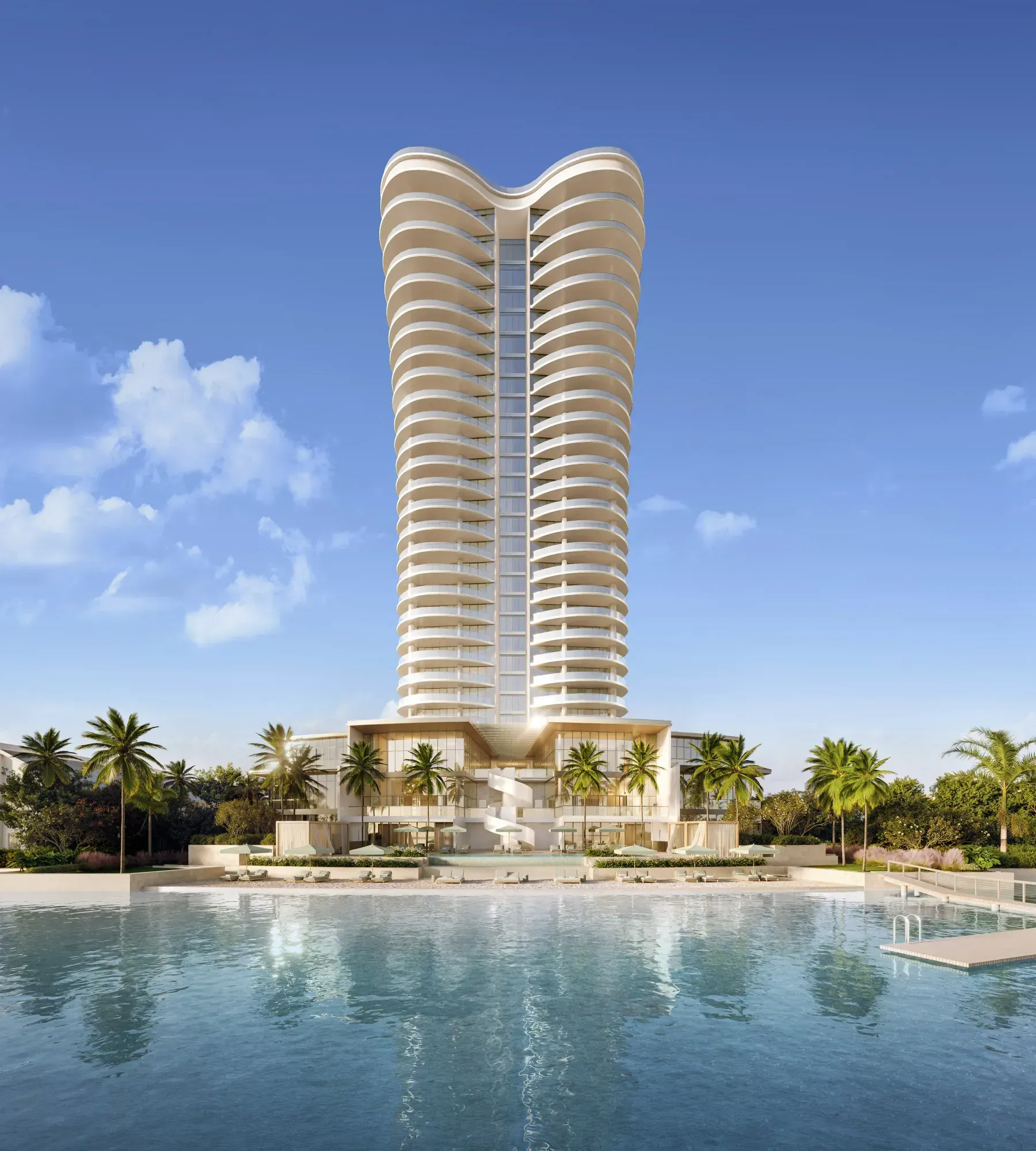
Safdie Architects has the design, with Moshe Safdie leading and Spina O'Rourke + Partners serving as the local architectural partner. The scheme reads as four slender volumes rising off a splayed, multi-story base, with the profile shifting as the tower climbs rather than holding a single extruded shape the whole way up. Safdie has described the intent as balancing softness against order in the overall composition, and the facade is organized around how sunlight moves across it through the day.
That is a more deliberate premise than most of what gets built on Florida waterfront. The default here is a glass slab turned broadside to the water with balconies bolted on. Safdie's version tries to make the massing do the work instead. Every residence is laid out for cross-ventilation and daylight from more than one side, which in a tropical climate is a functional decision before it is an aesthetic one. Each unit gets private elevator access and wraparound terraces.
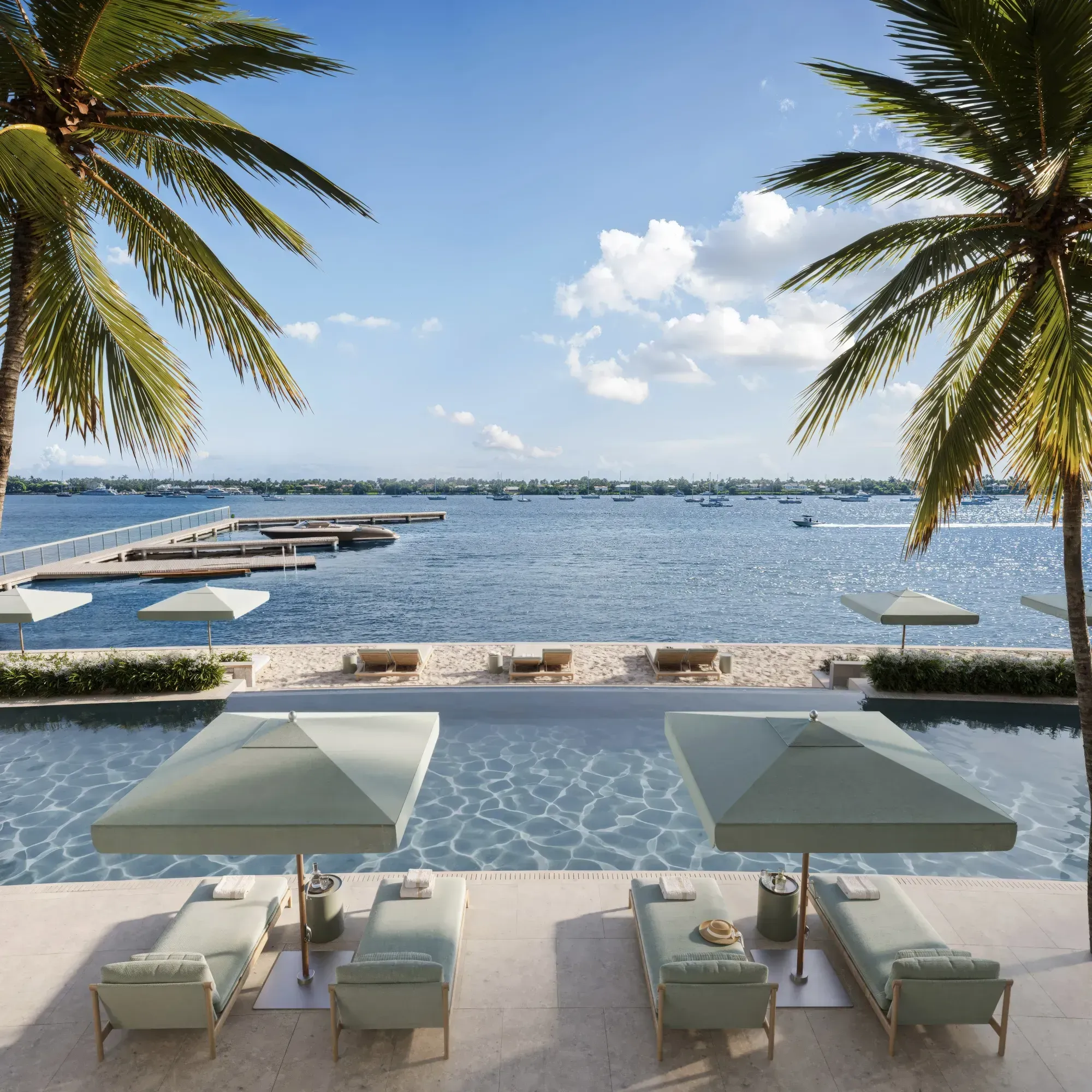
The move most likely to end up in the photographs is a spiral stair running down to the water, connecting the building to a beach-inspired terrace with a bar and cabanas at the edge of the Intracoastal, with dockage extending into the waterway. Safdie's better-known work, Habitat 67, Marina Bay Sands, Jewel Changi Airport, has always been about the connective gesture rather than the envelope. This is a small version of the same instinct.
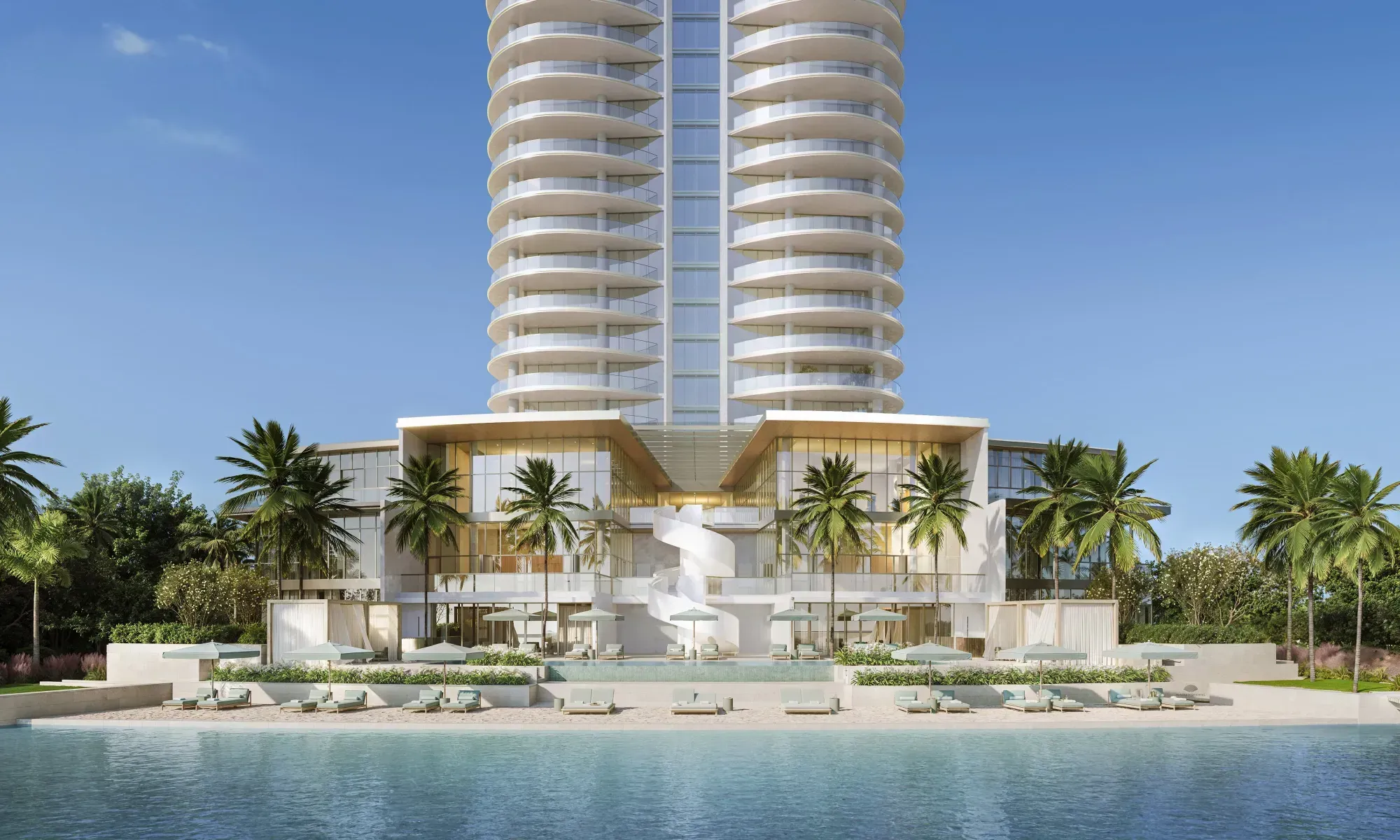
Studio Munge has the interiors, working a contemporary palette built on layered materials and textured finishes. ENEA Landscape Architecture, the Swiss practice, handles the grounds.
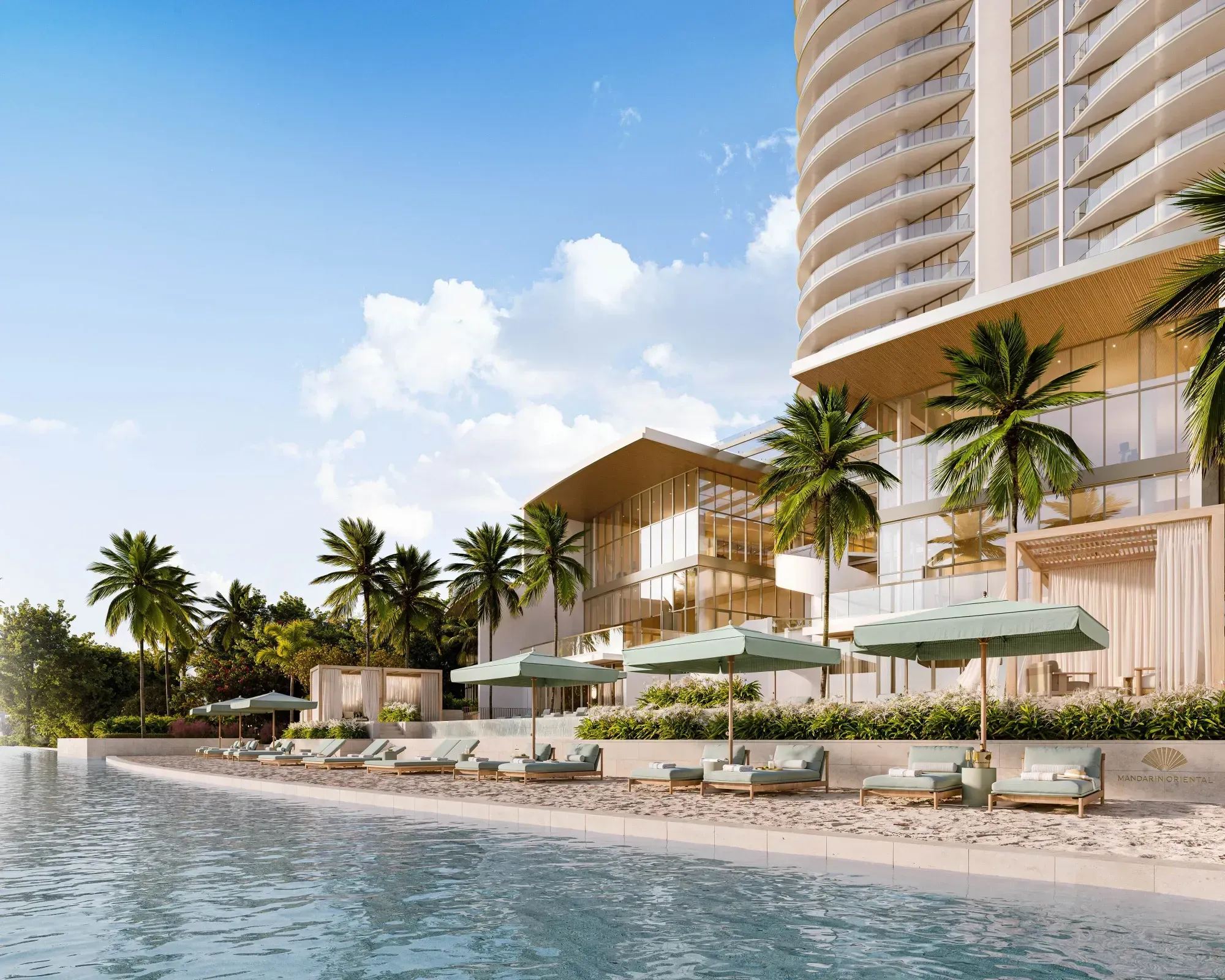
A hotel brand with no hotel
Mandarin Oriental currently operates 46 hotels, 15 residences and 39 exceptional homes worldwide. The residences almost always sit next to a hotel and borrow its infrastructure: the kitchen, the spa, the housekeeping roster, the front desk that already runs 24 hours because it has to.
West Palm Beach has no hotel. This is the group's first standalone residential project in South Florida, and the service layer has to be built from scratch and carried entirely by the building. The pitch to buyers is a 24-hour residential team trained by Mandarin Oriental, valet, security, two house cars and concierge, all of it funded by the association rather than cross-subsidized by paying hotel guests.
That is the part of this project worth actually watching. Branded residences have spent fifteen years proving that a hotel name adds a measurable premium at closing. The open question has always been what happens in year eight, when the developer is gone and the service standard is a line item that 87 owners vote on. A tower with a hotel attached has a structural answer. This one does not. Laurent Kleitman, Mandarin Oriental's group chief executive, has framed the North American push as running across hotels and branded residences in parallel, which suggests the group is comfortable letting the residential side stand on its own.
Why here, and why now
None of this happens in West Palm Beach in 2016. It happens now because the finance industry moved a real piece of itself south and stayed.
Stephen Ross has committed more than $10 billion to the city through Related Ross. The tower at 360 Rosemary landed Goldman Sachs, Point72, Elliott Management and a JPMorgan office in its first leasing wave, filled to capacity, and converted upper parking levels into more office space because demand kept coming. One Flagler hit full occupancy barely a year after opening when Wells Fargo moved the headquarters of its wealth and investment management division into roughly 50,000 square feet, relocating about 100 people including senior executives. Vanderbilt is building a $300 million downtown campus. Tenet Healthcare is putting up a $3 billion replacement for Good Samaritan Medical Center.
Neil Vohrah, who runs high-rise development at Great Gulf, points to the shift from seasonal to year-round as the thing that changed the residential math. Alicia Cervera Lamadrid, whose firm Cervera Real Estate holds the exclusive sales assignment, makes the same argument from the other direction: the businesses arrived first, and the people and the opportunities followed them.
You can see that assumption in the floor plans. The residences are sized for people who work from them, with room for in-home staff and dedicated office space rather than the compact second-home layouts that defined the last Palm Beach cycle. A seasonal buyer wants three bedrooms and a view. A relocated one wants somewhere to take calls at 7am in January.
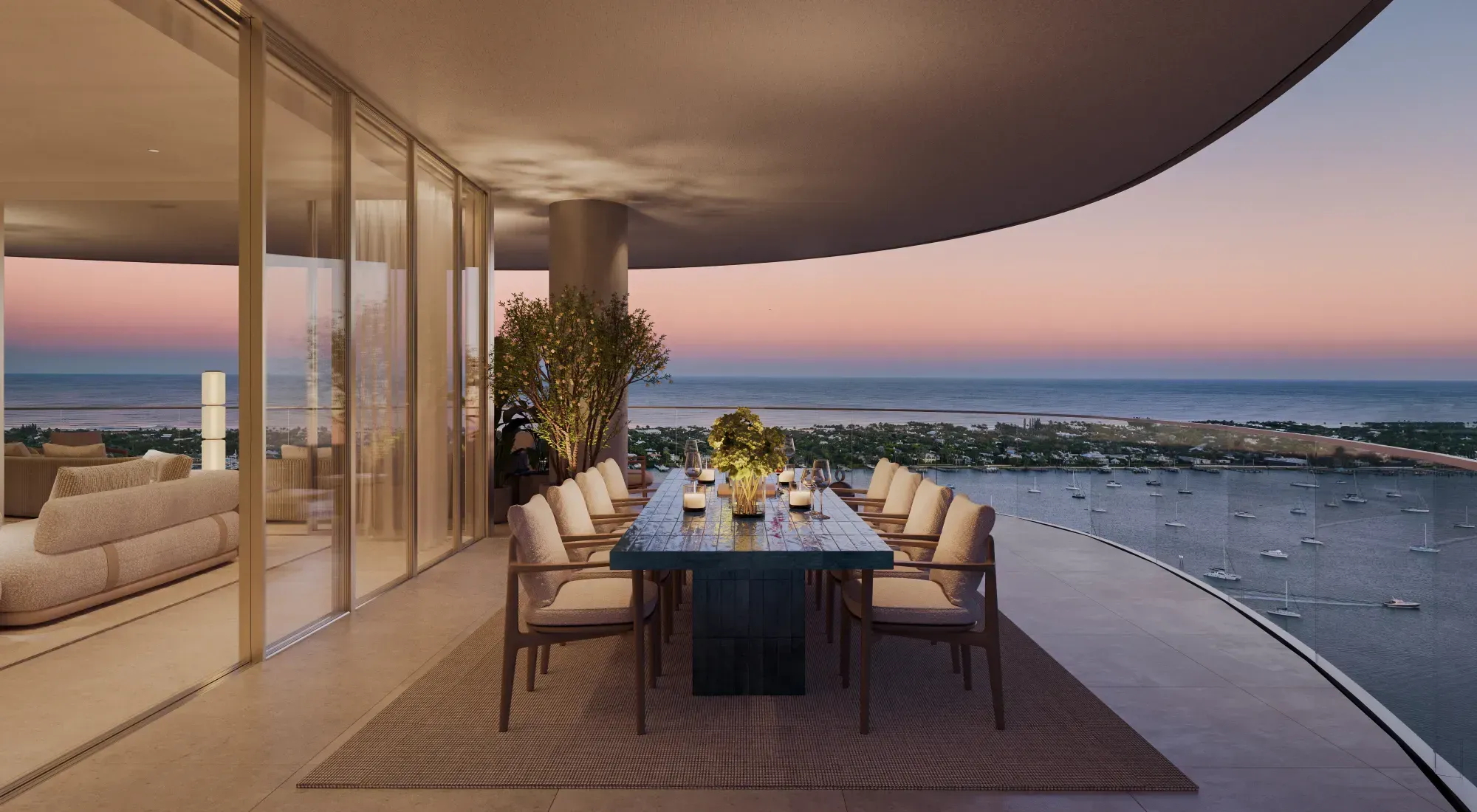
What is actually on offer
The 87 residences run from 2,151 to 6,339 square feet across two-, three- and four-bedroom plans, plus two multi-level private villas and a full-floor penthouse. Pricing starts at $3.5 million and has been reported above $20 million at the top of the stack.
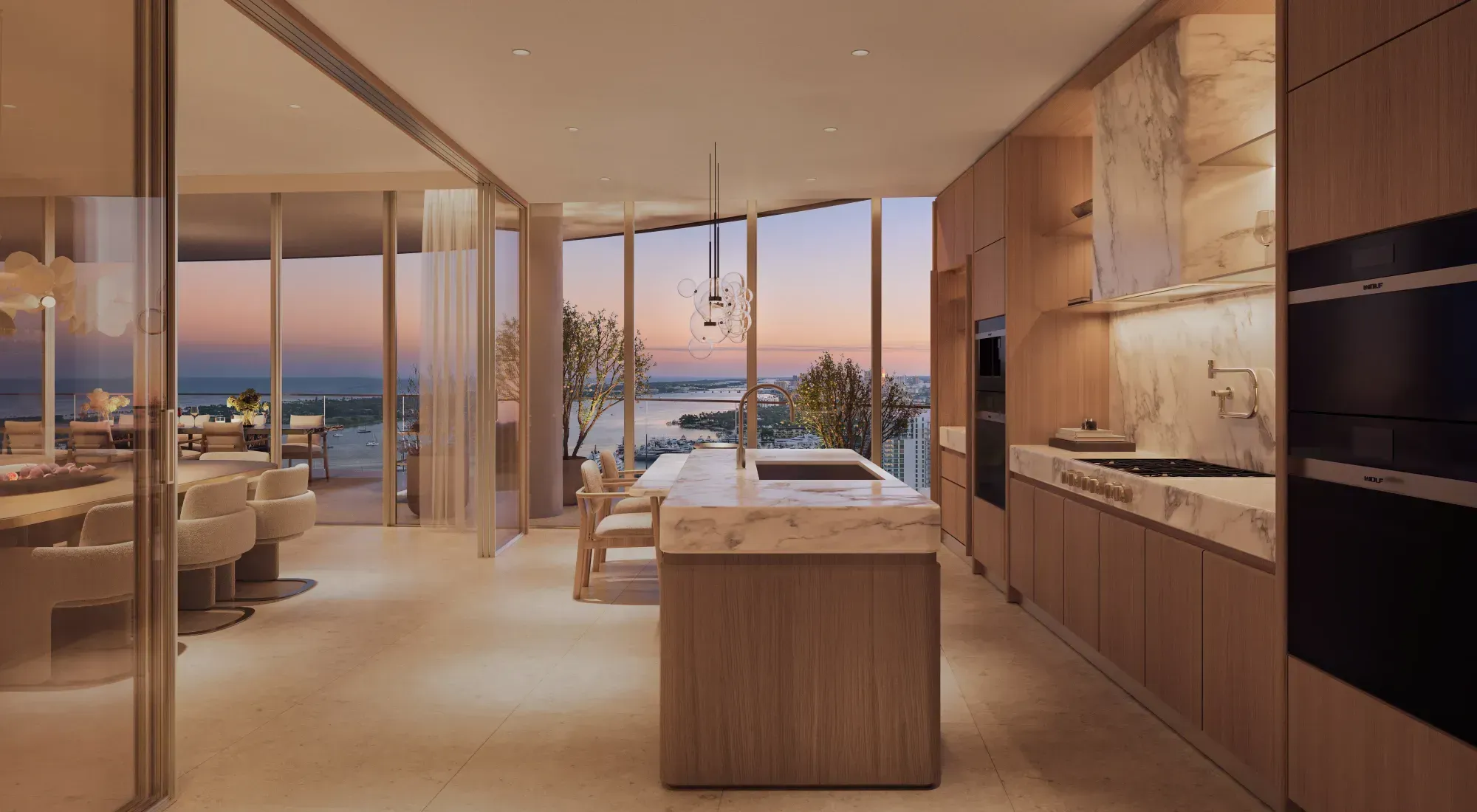
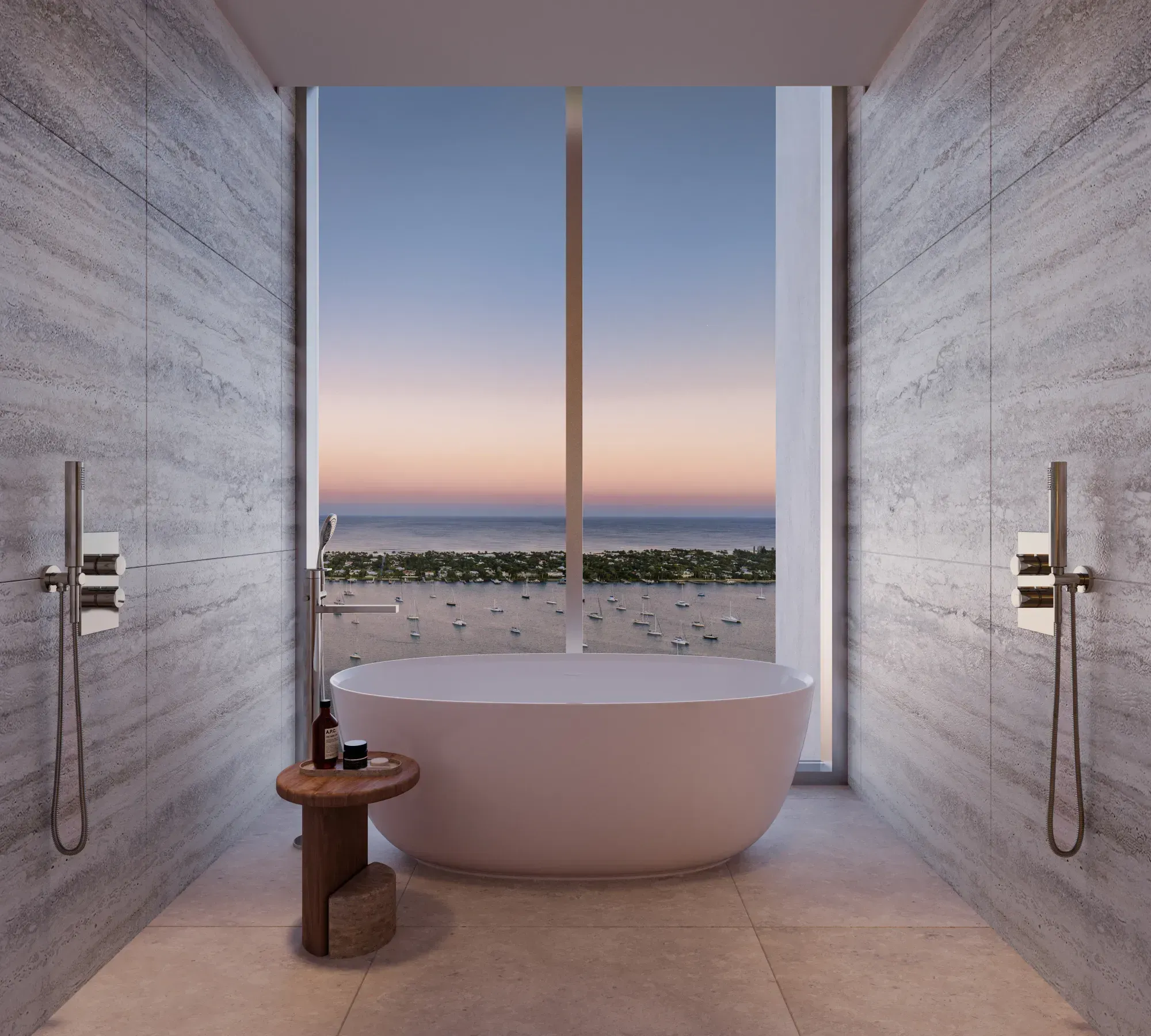
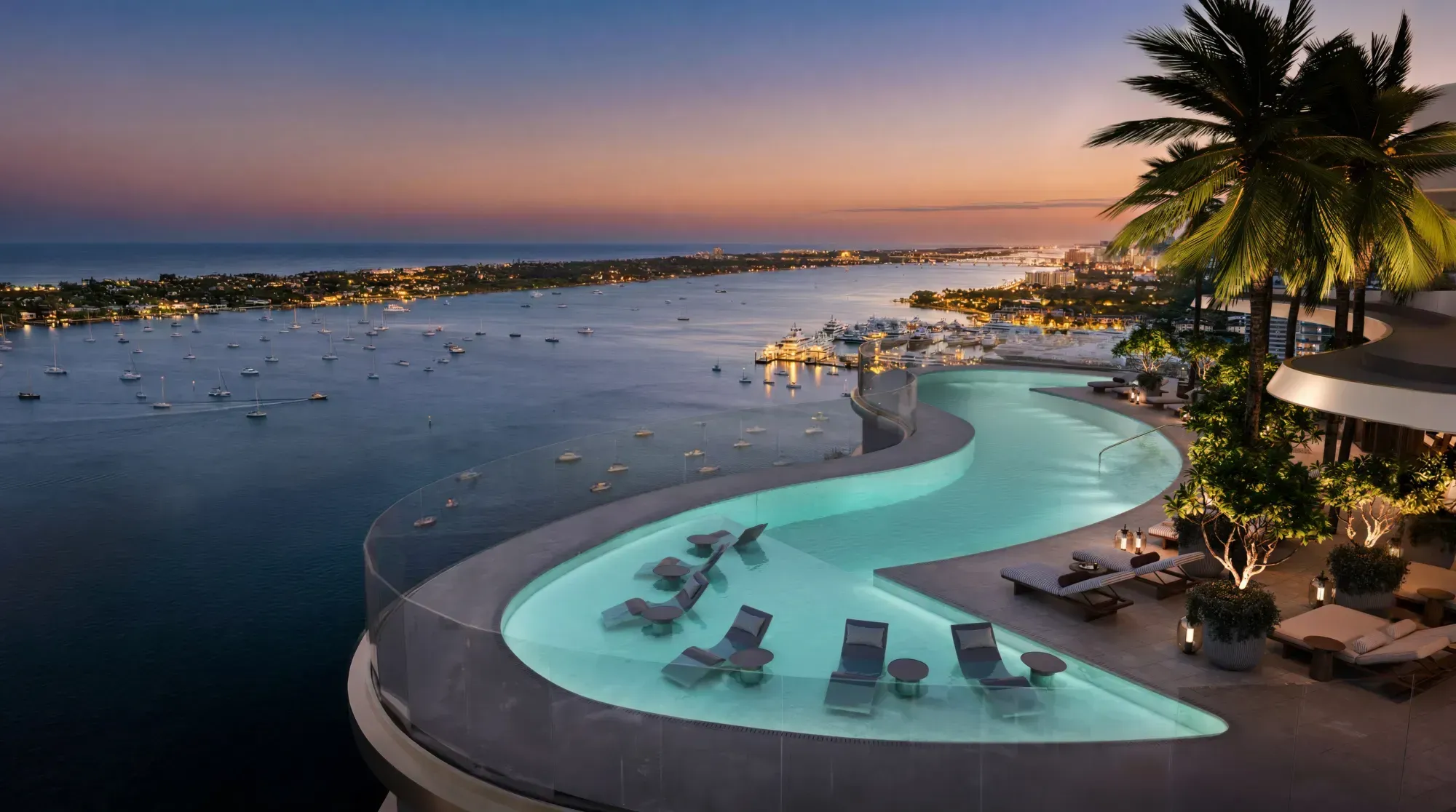
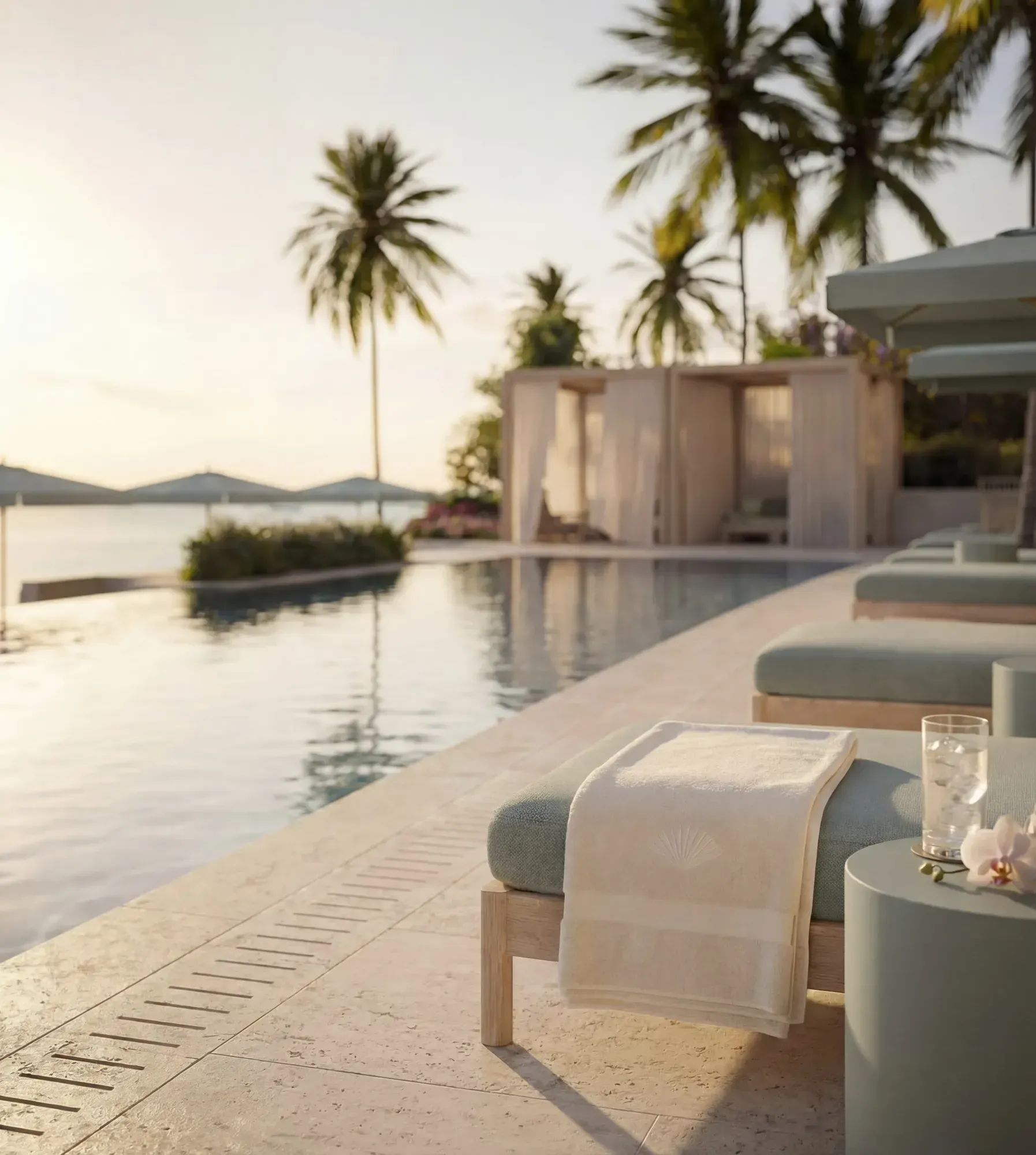
Interiors come with natural stone flooring, wood available as an alternative, natural stone counters and backsplashes, custom cabinetry, Wolf and Sub-Zero appliances and smart home pre-wiring. The amenity program splits across two levels: a rooftop with a pool, cabanas, spa and fitness center, and a ground plane with a second pool, a bar, cabanas and the waterfront terrace. Add a pickleball court, a garden lounge, an indoor golf simulator, a 12-seat screening room, a kids club, pet grooming and private storage for each residence.
Sales are running out of a gallery at 201 Worth Avenue in Palm Beach, which is a deliberate choice. The building is on the West Palm side of the water, north of the downtown core, but the sales conversation is being staged on the island.
The long wait
Groundbreaking is expected around 2027, with Mandarin Oriental putting anticipated opening at 2031. Some coverage has floated an earlier delivery, but the brand's own date is the one to plan against.
Five years is a long presale horizon, and it is the real risk in the deal. Buyers signing in 2026 are underwriting a thesis, that the finance migration into West Palm Beach is structural rather than a tax-driven moment, and that it holds through the end of the decade. The leases at 360 Rosemary and One Flagler are strong evidence for it. They are not proof.
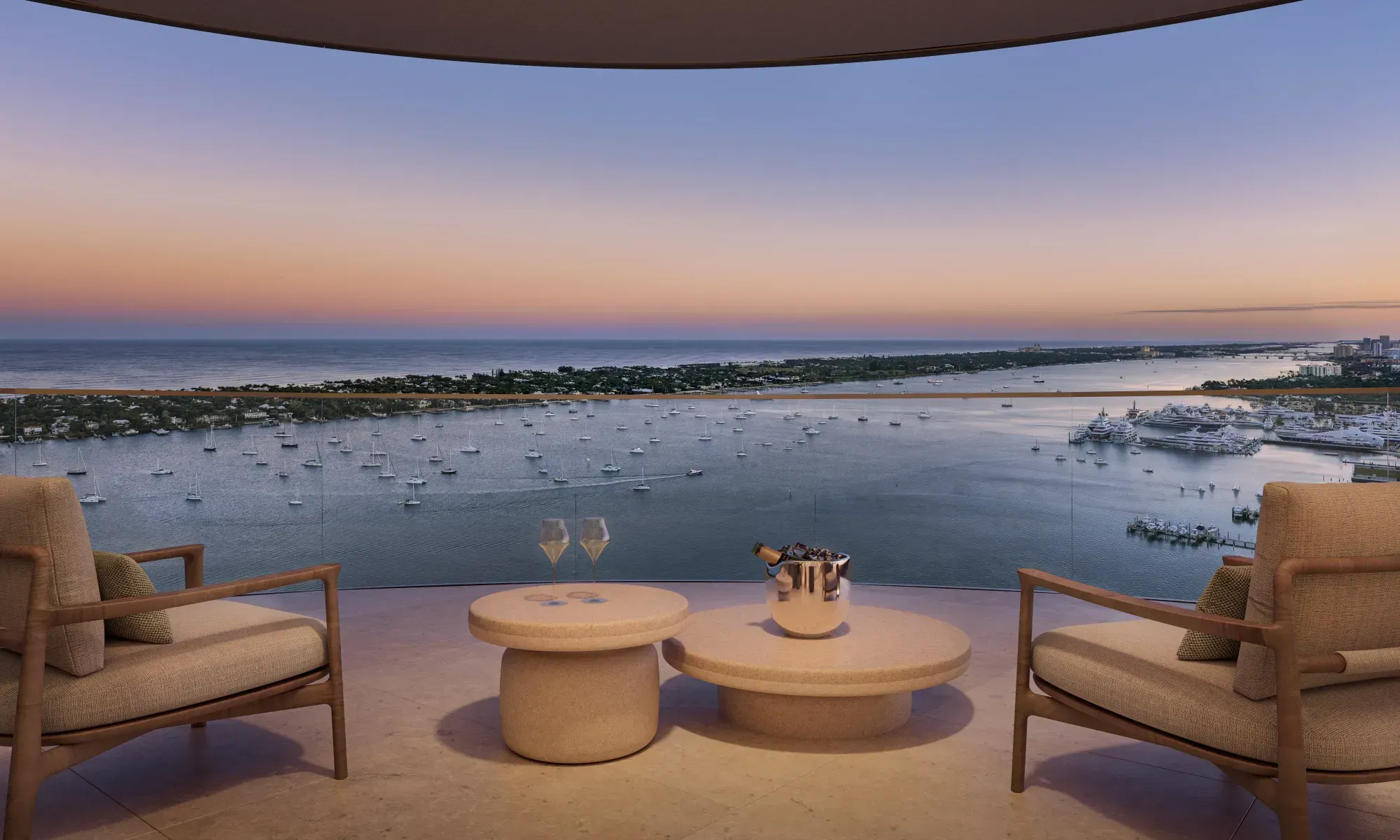
What is not in doubt is that this is the most serious piece of architecture proposed on that stretch of the Intracoastal. Whether the service model behind it survives the first decade of self-governance is a separate question, and one nobody will be able to answer until well after the last unit closes.