600 Seats on the Thames: Inside Apple Music Hall, London's New Live Venue
The best room in London to hear music opens on 28 September, and it holds 600 people. Apple Music Hall sits inside Battersea Power Station, on the south bank of the Thames, in the building Apple's UK staff have worked in since 2023. It is small on purpose, and everything expensive about it has been spent on what you hear from your seat.
What the room is like
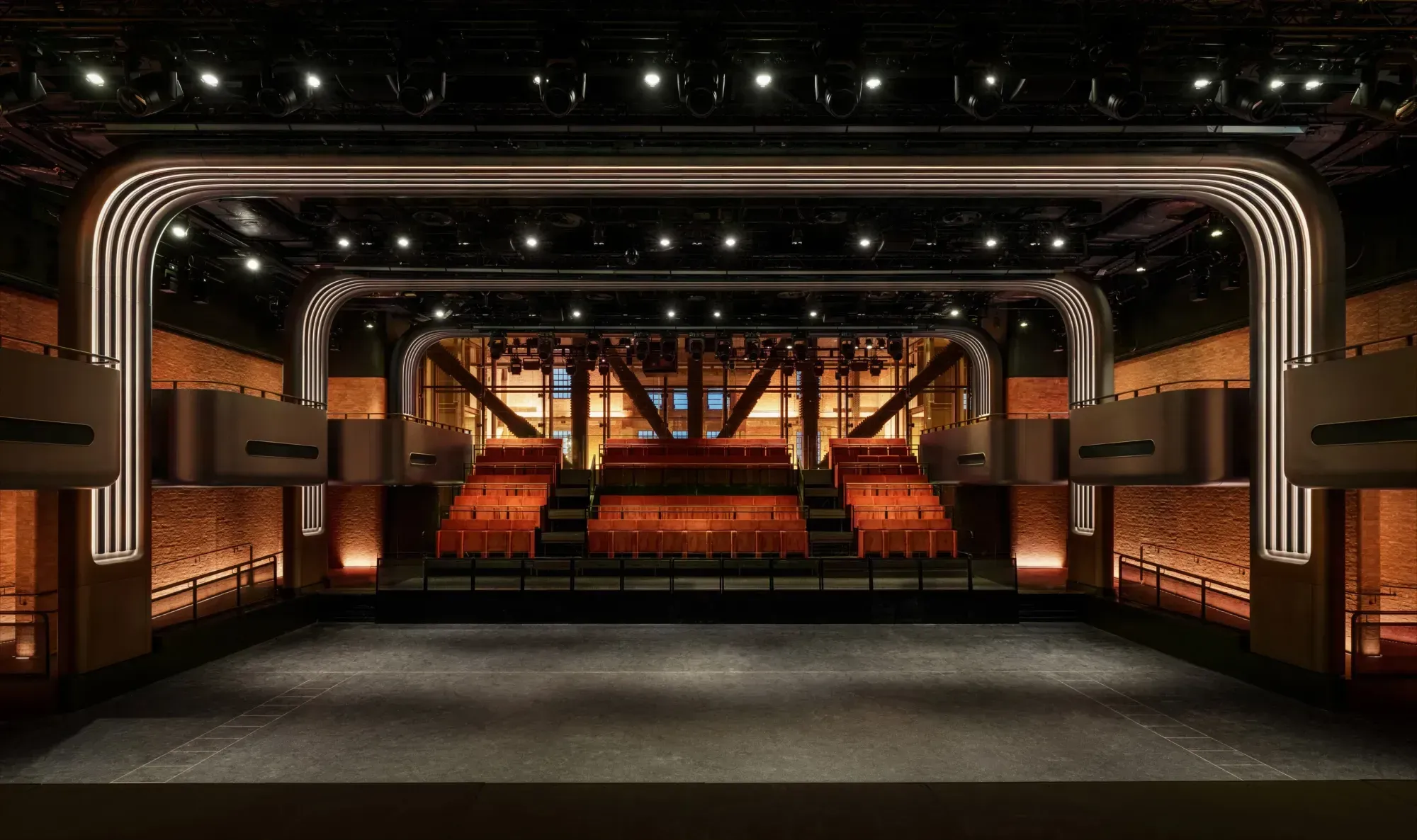
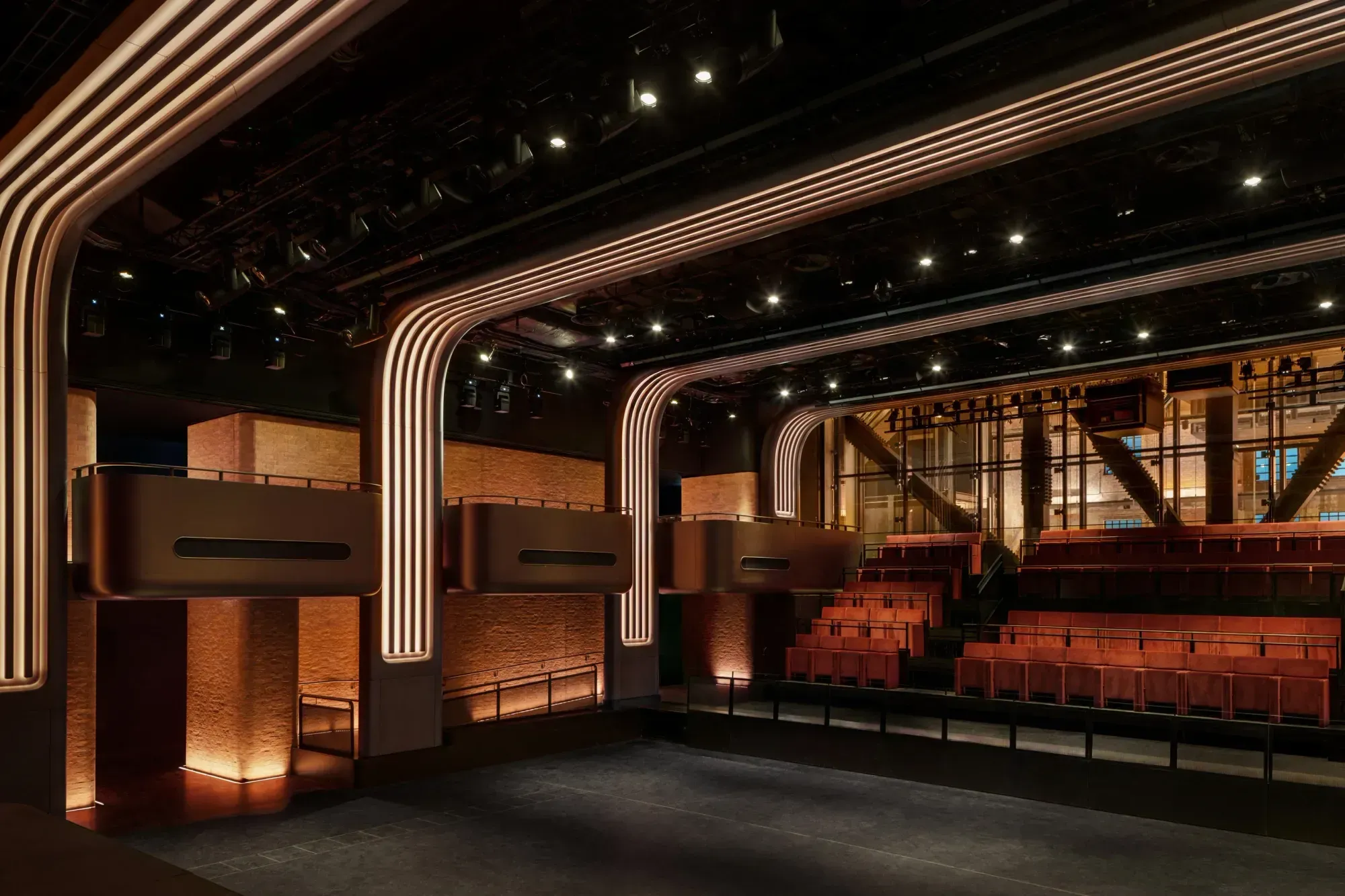
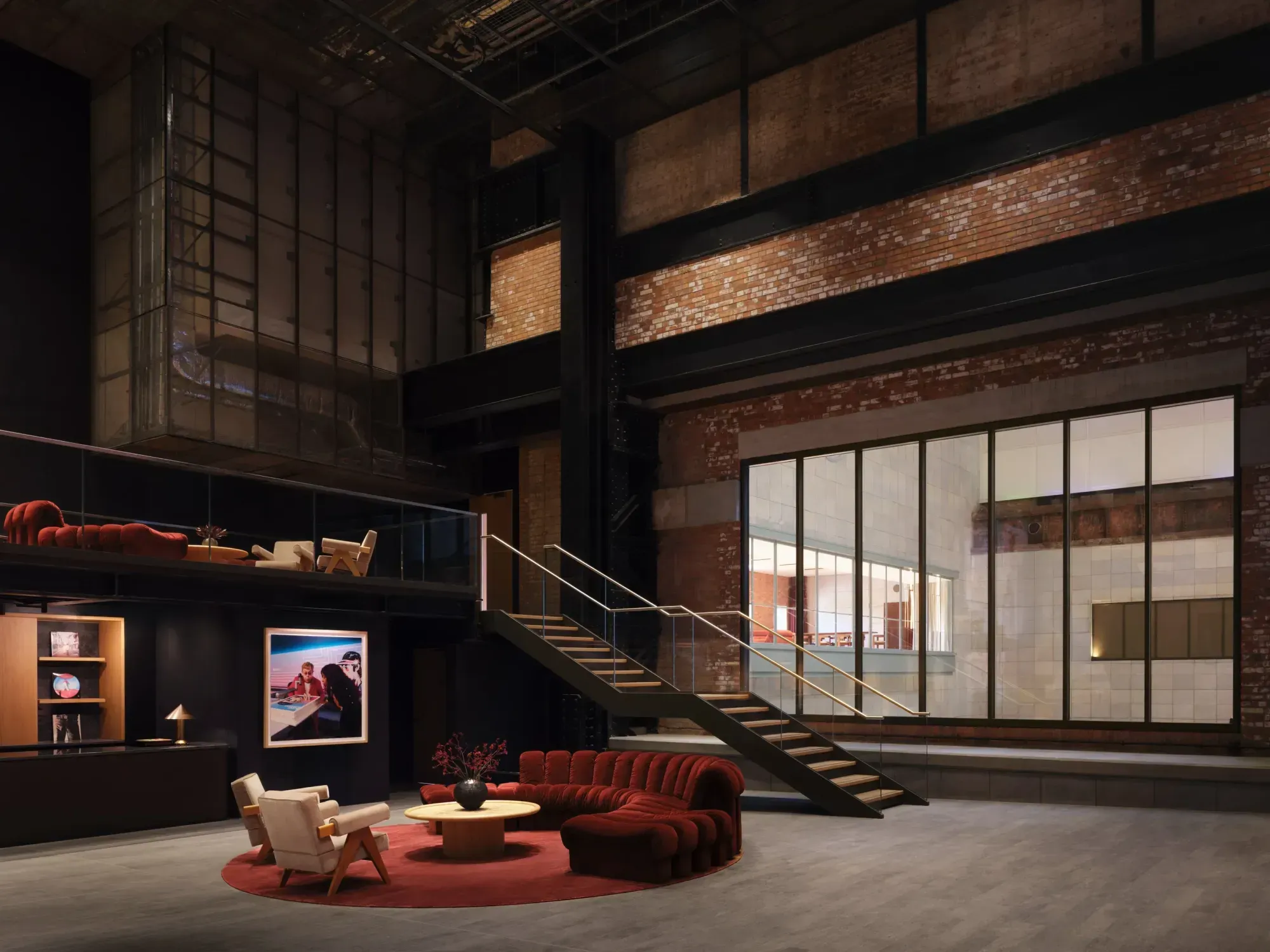
It does not feel like a corporate auditorium. The design is pulled from the power station itself: heritage brickwork left exposed, fluted arches, bronze balconies shaped after the building's oriel windows, and nested arches of warm light framing the stage. Behind the seating is a glass wall that opens onto the power station concourse and the river beyond, so you always know where you are.
The stage runs 38 feet wide and can be turned around, either facing the seats in the usual way or set in the round with the audience on all sides. With 600 seats banked steeply in front of it, there is no bad row and no distant tier. This is a room where an artist who normally plays arenas can be seen properly.
The sound is the point
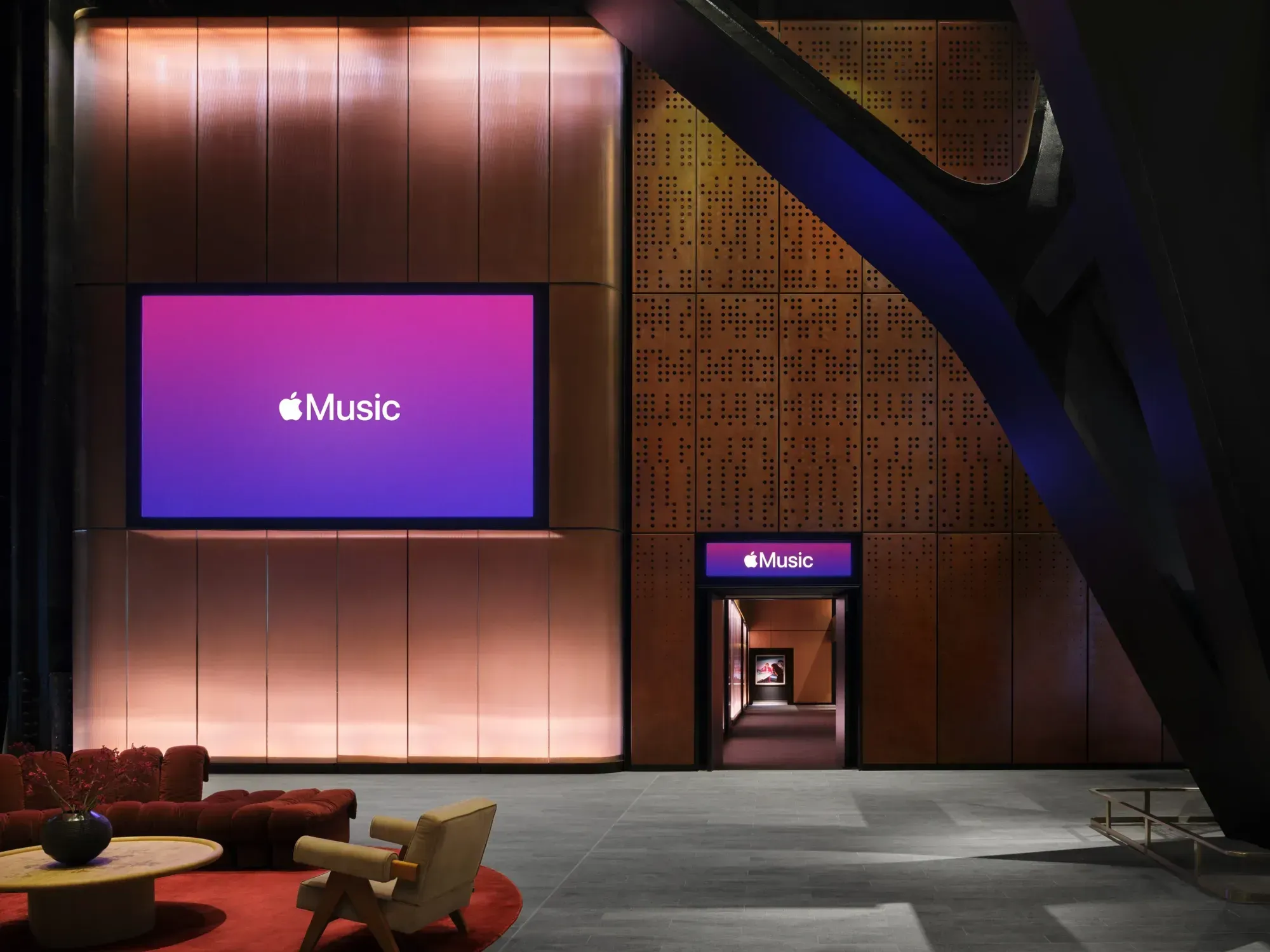
Forty-eight speakers are positioned all around the audience rather than stacked at the front of the stage. When a set is mixed in Spatial Audio, that is what lets you hear it placed around you in the room instead of arriving from one direction. Most venues this size are fighting their own acoustics. This one was built backwards from the sound.
There is a second reason to be in the room. Behind the stage are two professional recording and mix studios, and the hall is wired for sixteen or more cameras feeding its own broadcast control room. Every performance can be captured as a multitrack and mixed in Spatial Audio, live or afterwards, which means an artist can play one night here and leave with the finished record and the film of it. The show you attend is likely to be the version that lasts.
Getting in
Shows are intended as one-offs rather than runs, and they will be livestreamed globally, so a night you cannot get to is not a night you miss entirely. Tickets and on-sale dates are announced through applemusichall.com, where you can register for alerts, and through @applemusichall on Instagram and TikTok.
Apple has done this in London before, and it is worth knowing how it went. The iTunes Festival ran from 2007, first at the Institute of Contemporary Arts, then KOKO, then the Roundhouse in Camden for its last eight editions. It was renamed the Apple Music Festival in 2015 and ended after 2016. Tickets were free and given away by draw, and they were difficult to get. The difference now is that this is Apple's own room, open year-round rather than for ten nights each September.
Making a night of it
Battersea Power Station is a destination before it is a venue. The Grade II* listed building reopened to the public in October 2022, four decades after it stopped generating power, and now holds more than a hundred shops, bars and restaurants across the turbine halls and the surrounding development. Lift 109 takes you 109 metres up inside one of the white chimneys in a glass elevator, which is worth doing in daylight before a show rather than after.
Getting there is easy, which was not always true of this part of London. Battersea Power Station has had its own Zone 1 Underground station on the Northern line since September 2021. Uber Boat by Thames Clippers stops at Battersea Power Station Pier, and arriving by river is the way to see the building properly. Battersea Park and Queenstown Road overground stations are both a short walk.
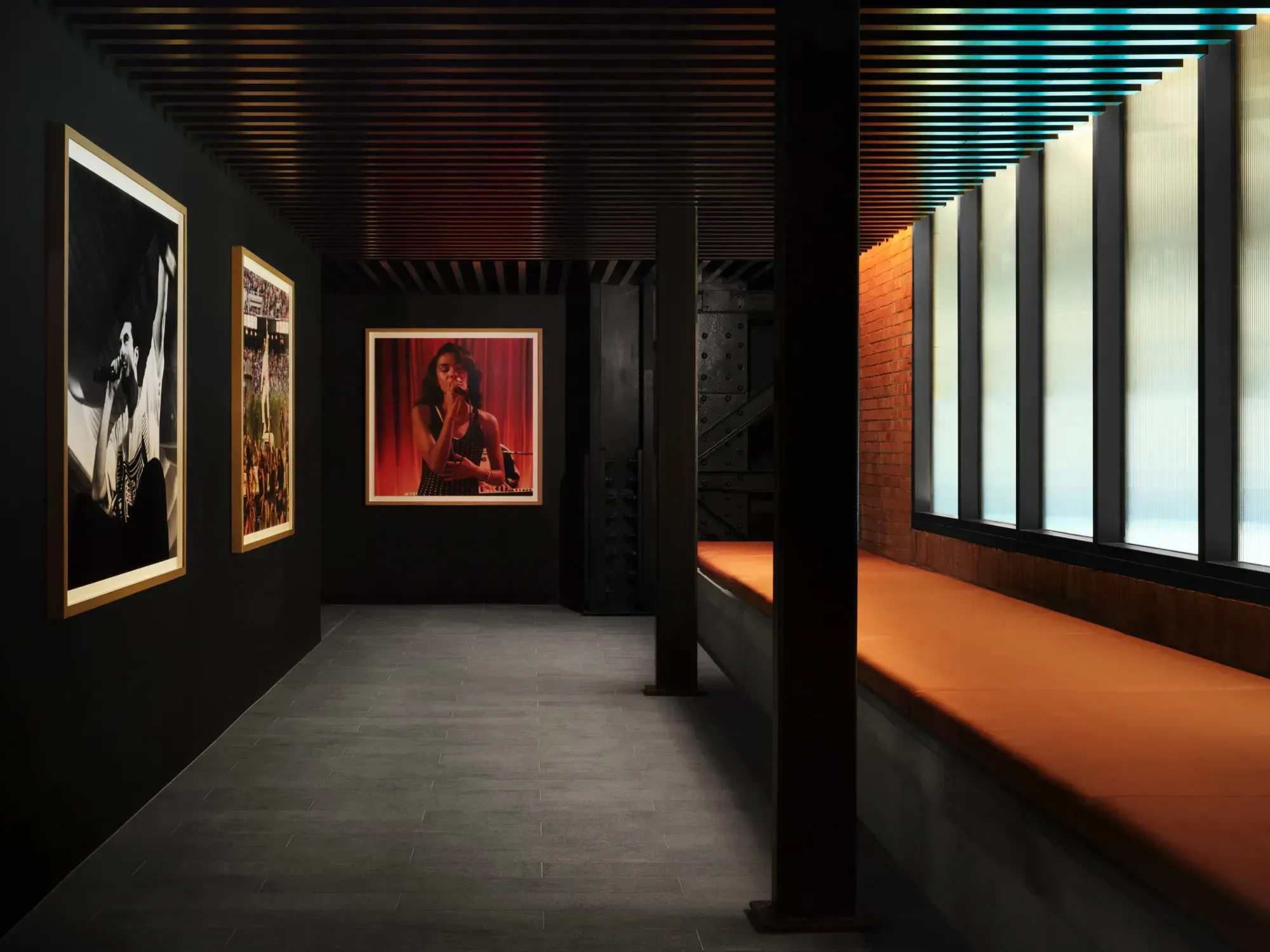
Apple Music Radio's London hosts have also moved into new studios in the same complex, broadcasting free and around the clock, so the building is now where the interviews and premieres come from as well as the performances.