Prada Takes Eight Floors of the Milan Arcade Where It Opened in 1913
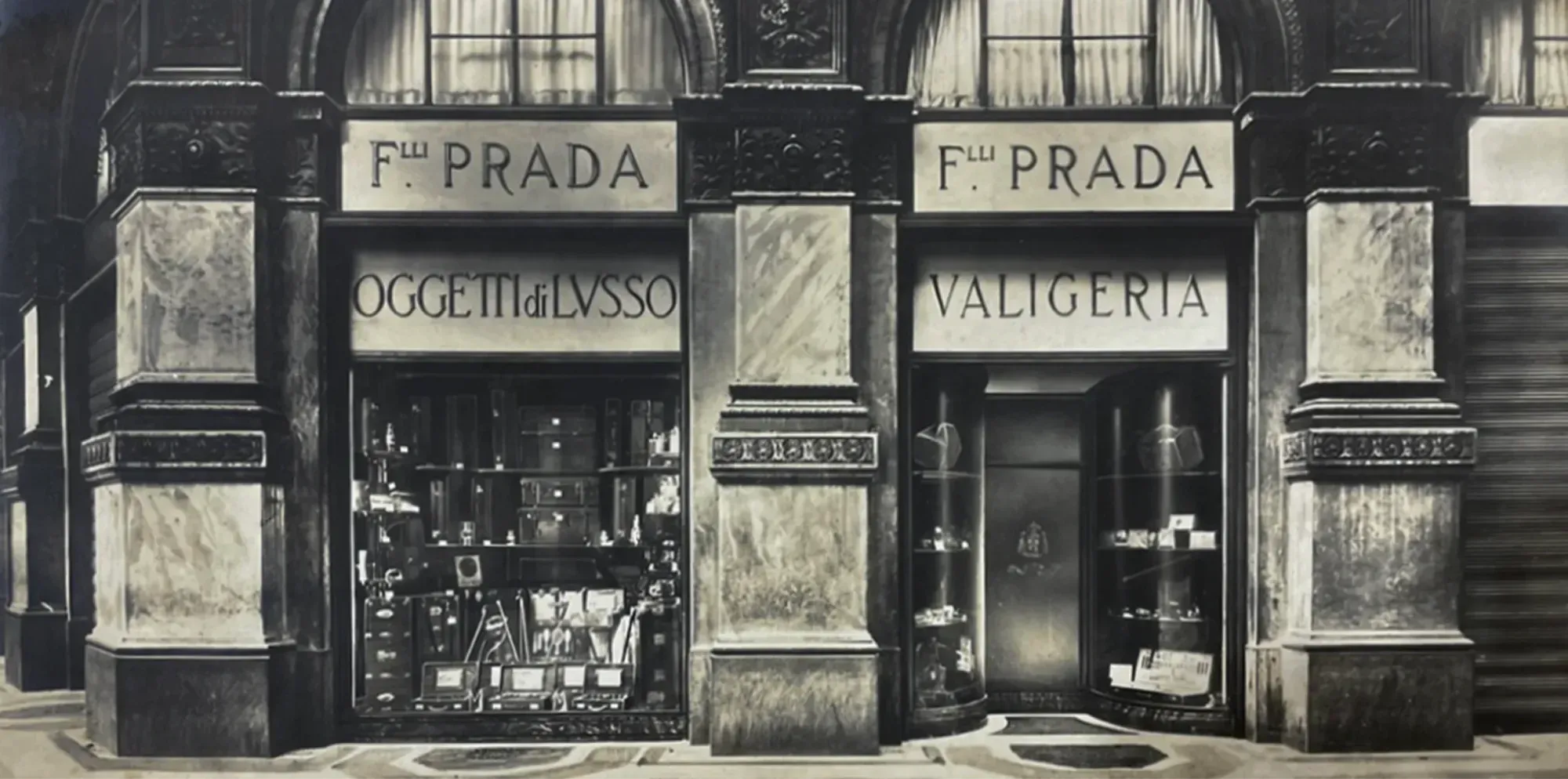
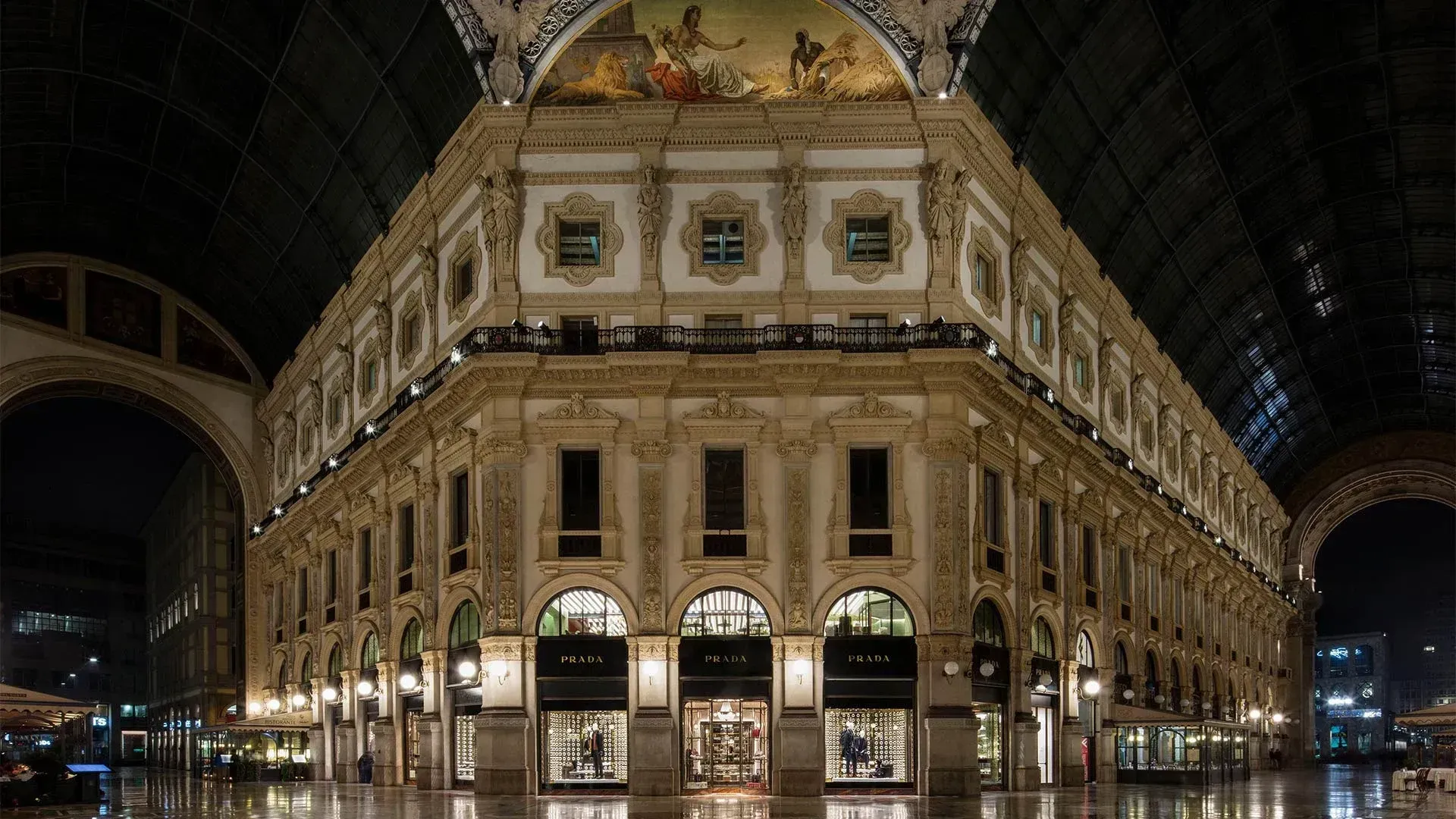
Prada has gone back to where it started. In 1913 Mario and Martino Prada opened Fratelli Prada in Milan's Galleria Vittorio Emanuele II, selling luggage and fine objects of travel. On September 23, that address reopened as Prada Galleria, spread across both sides of the arcade's central octagon: eight levels that run from a new passage beneath it to two exhibition floors level with Giuseppe Mengoni's glass and iron dome. In between are the women's and men's stores, the Marchesi 1824 pastry shop, an exhibition on the house's history, and two floors you can only enter by invitation.
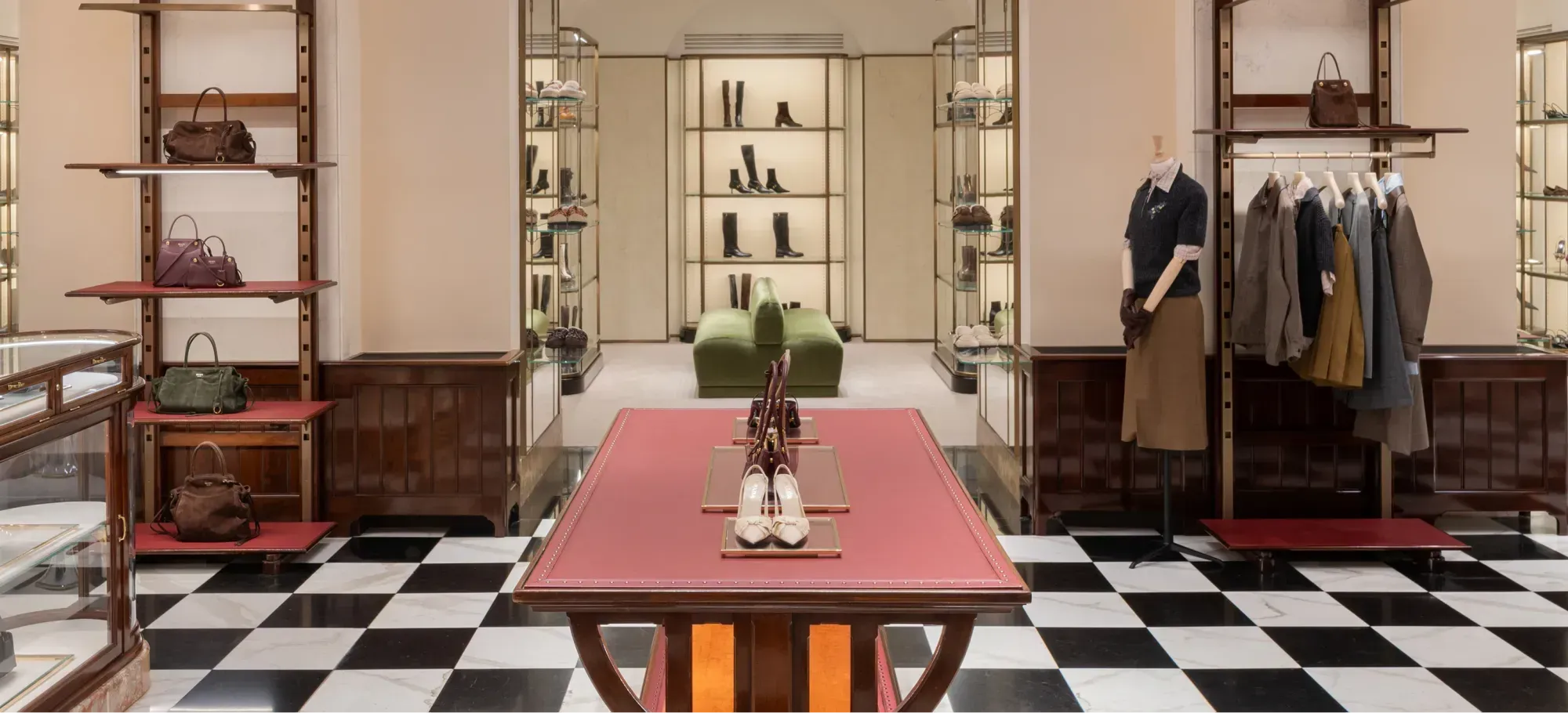
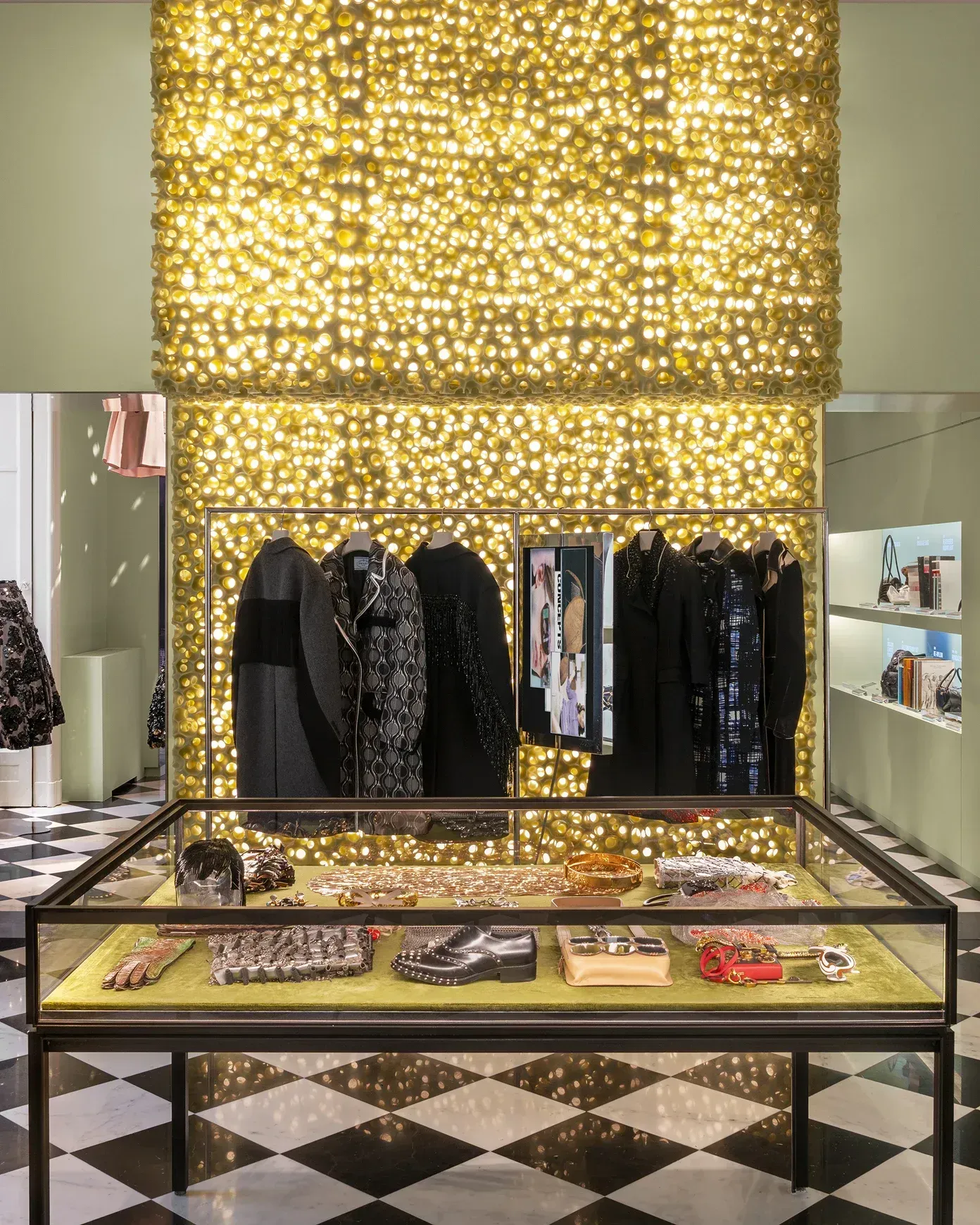
Prada Donna, on the original site
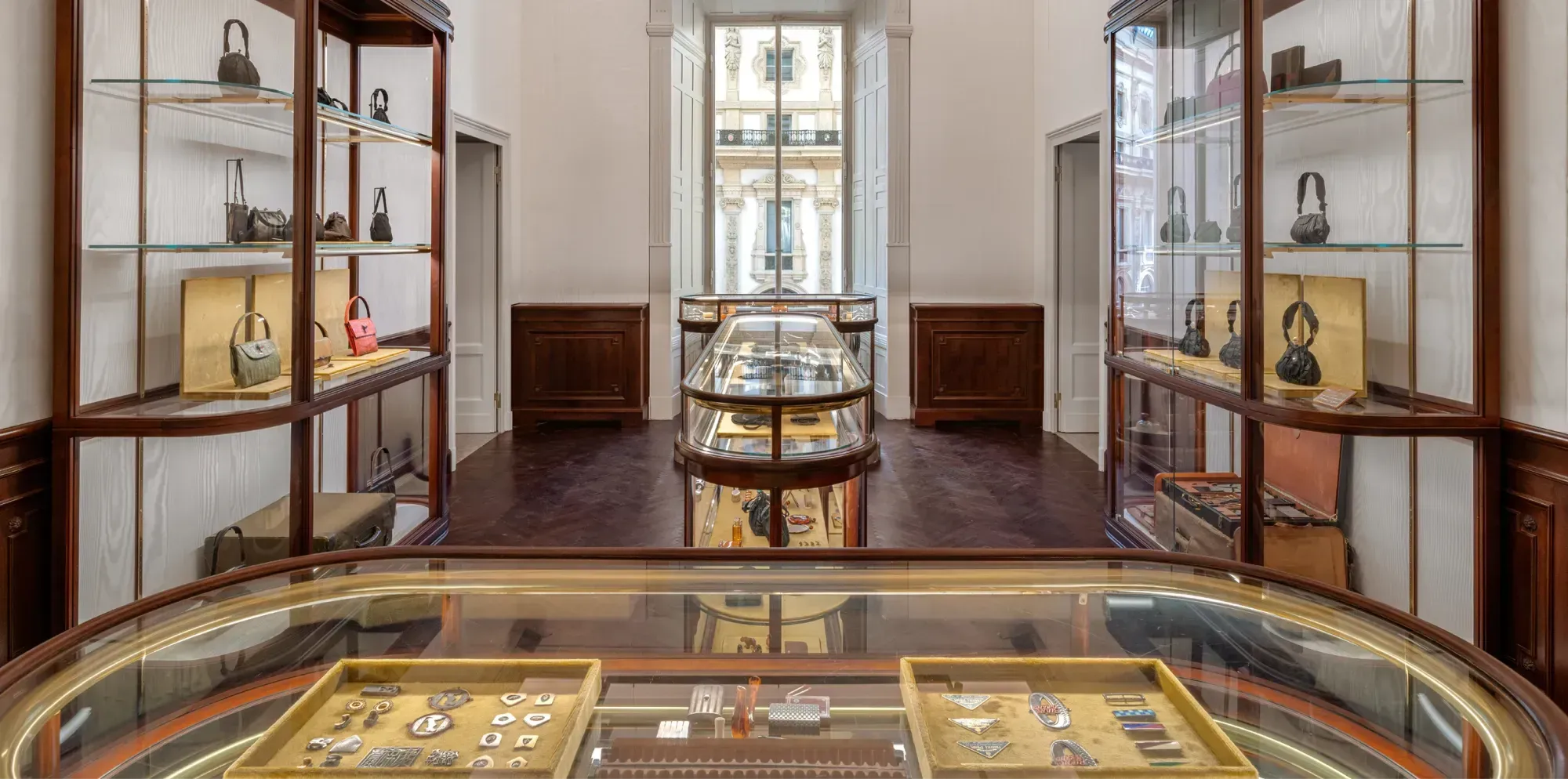
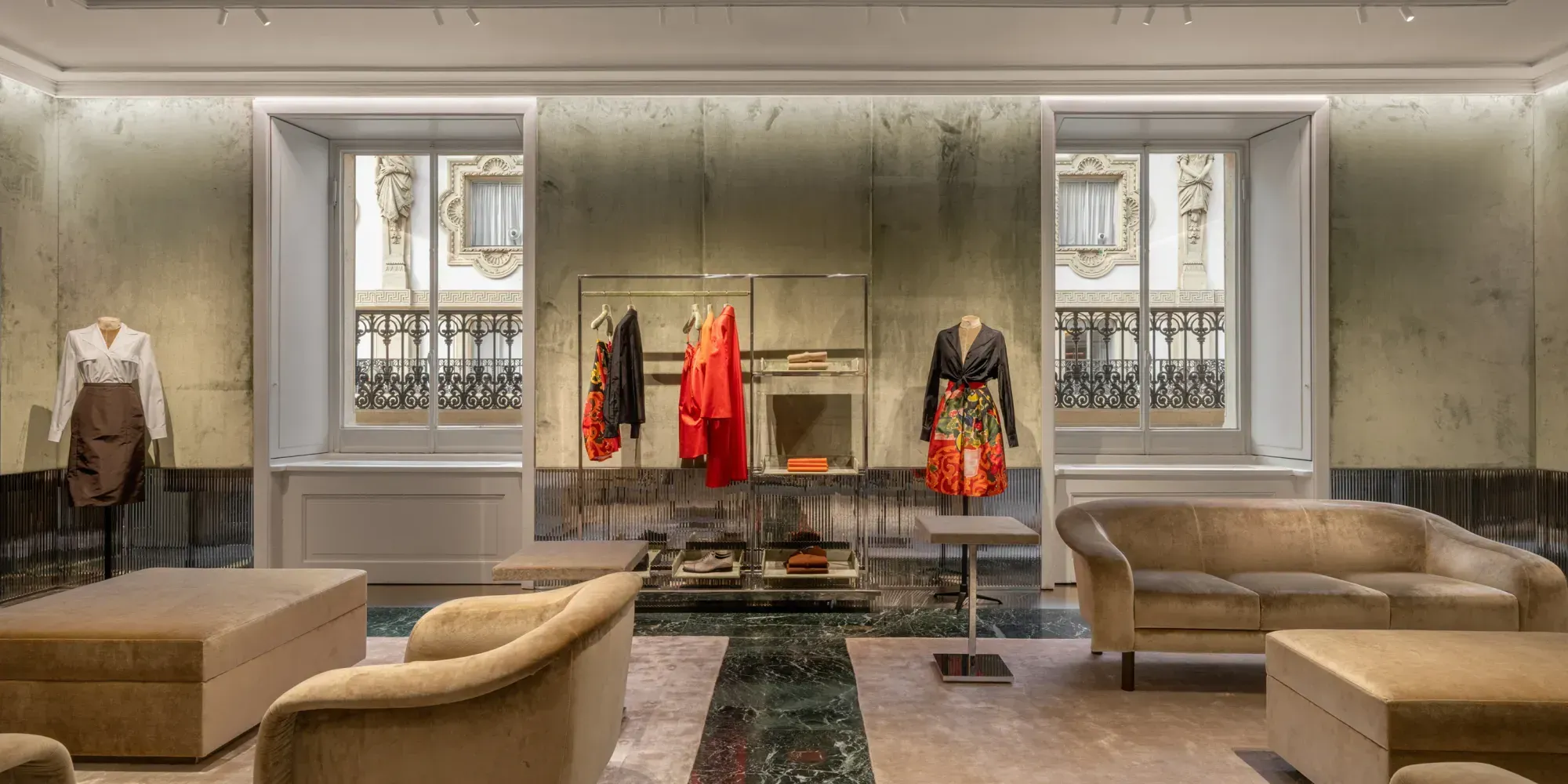
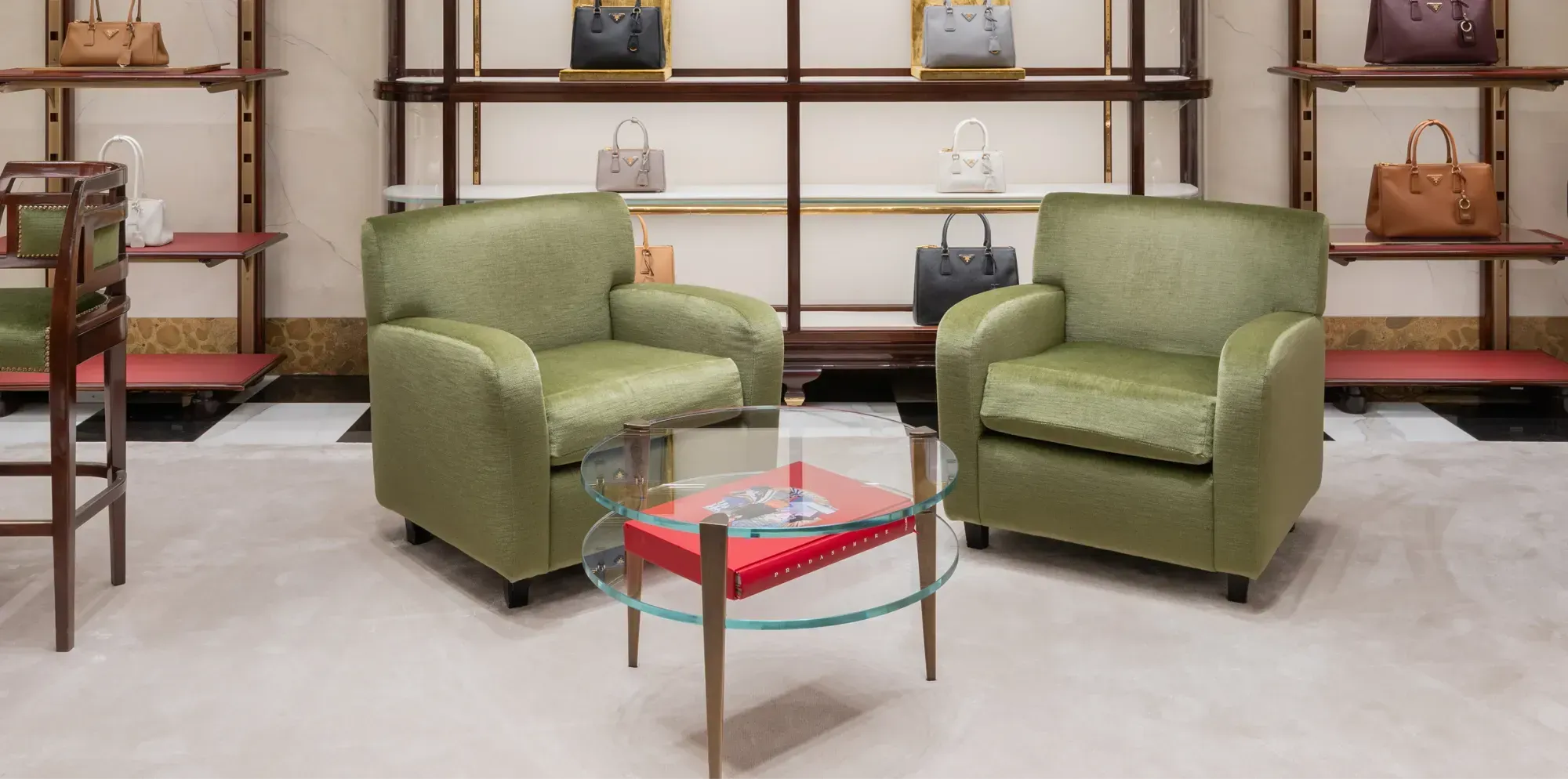
The women's store stands where the Fratelli Prada shop stood, and the old shop mark and displays are still in place at the northernmost entrance. Inside are the murals Mario Prada commissioned in the 1930s from Nicola Alexandrovich Benois, the painter and set designer of Teatro alla Scala.
The renovation went down rather than up. An expanded lower level nearly doubles the store's display space, which now holds the women's collections, a larger travel section, and home and beauty.
A passage under the octagon
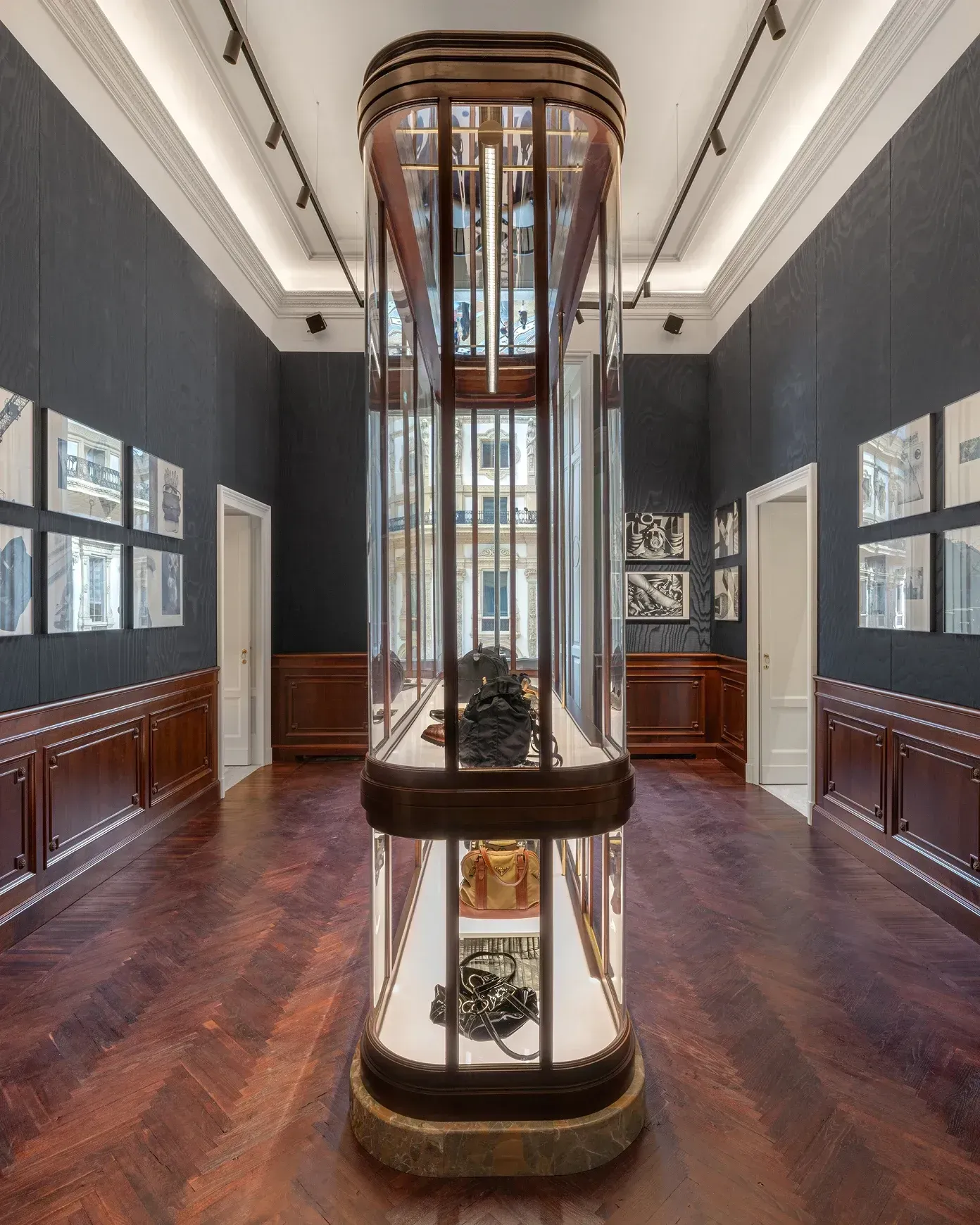
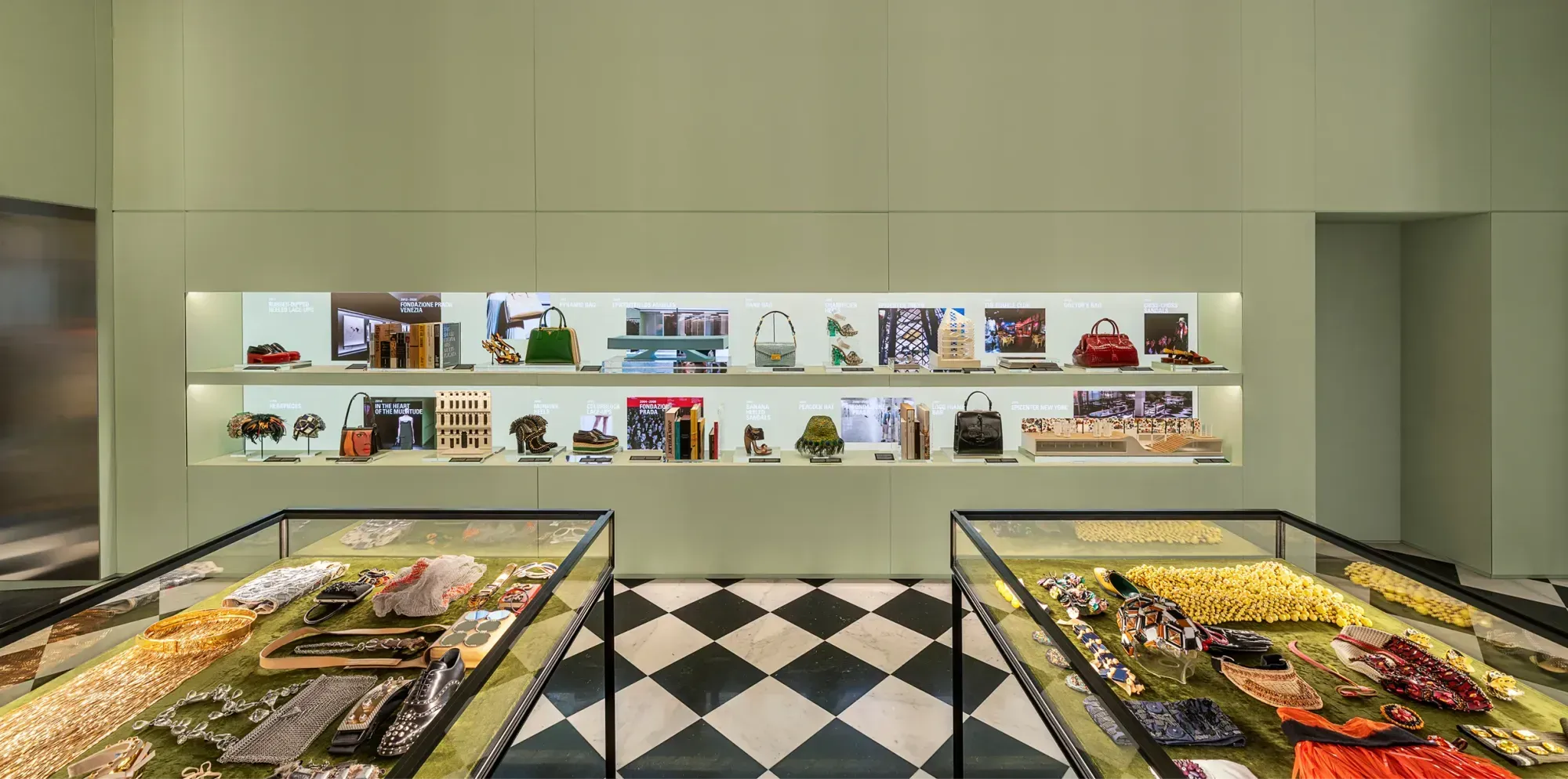
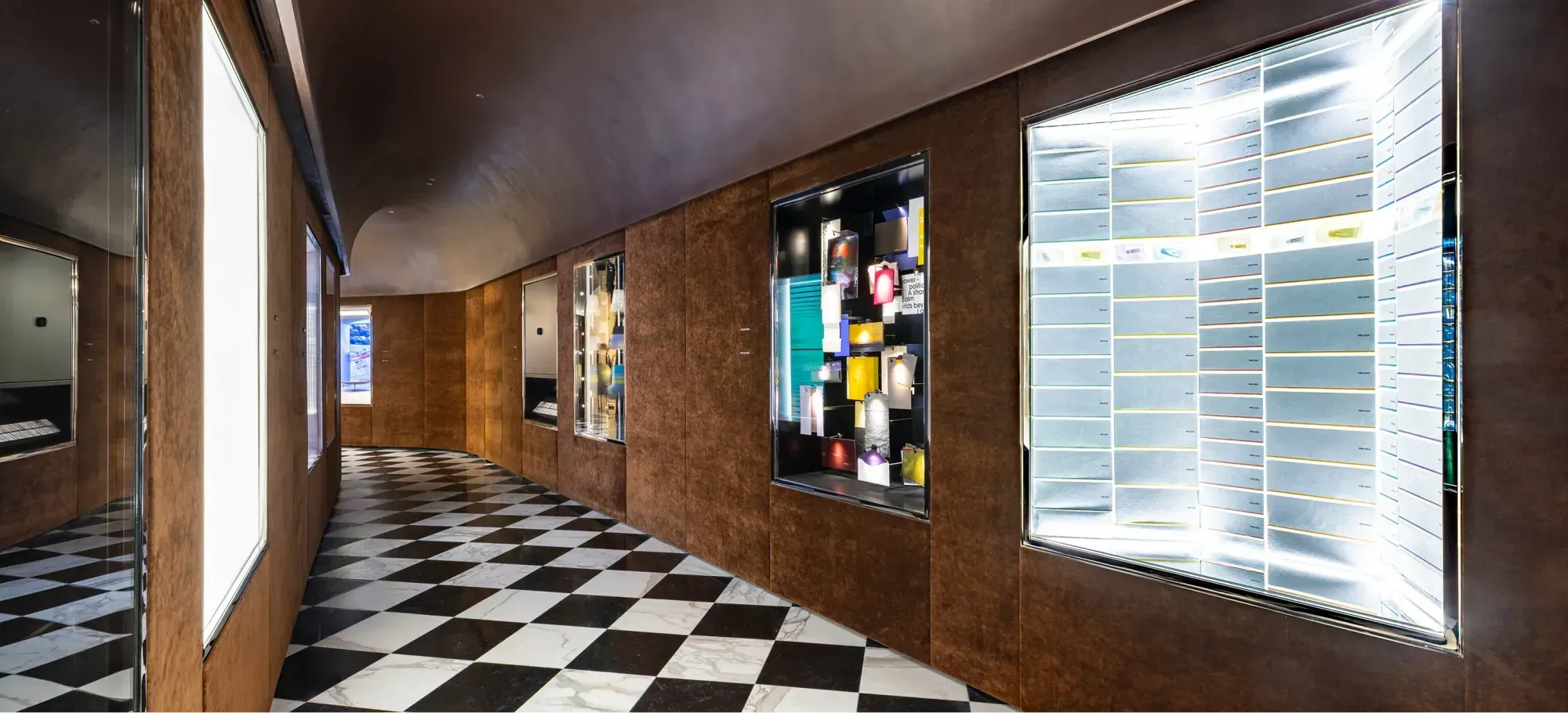
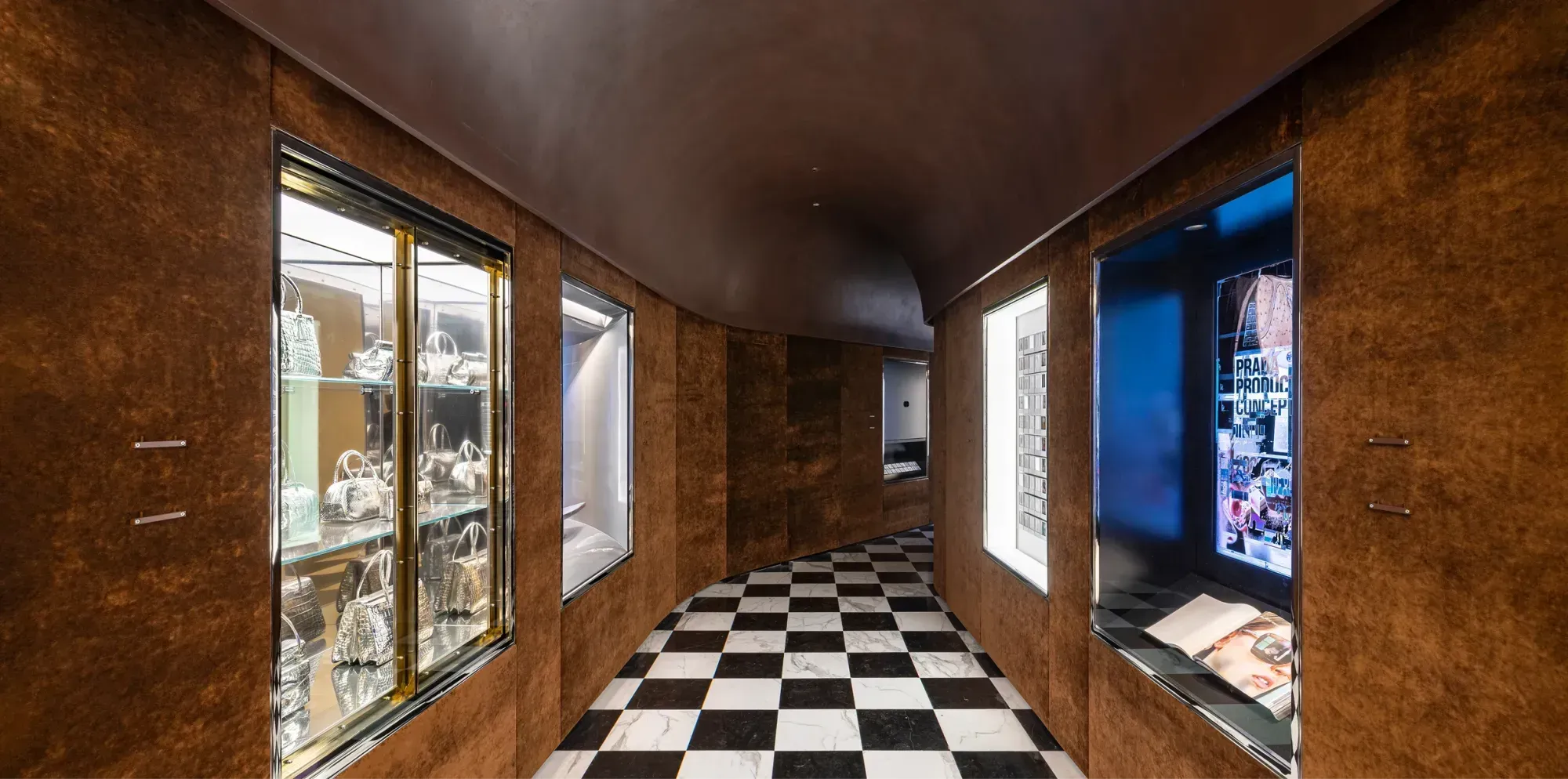
From there, Passaggio Segreto runs underground beneath the octagon to the men's store on the far side. It is a corridor of dark wood walls and checkerboard marble, and it doubles as an exhibition, with vitrines along its length showing lesser-known chapters of Prada's history, early experiments and company firsts among them.
Prada Uomo
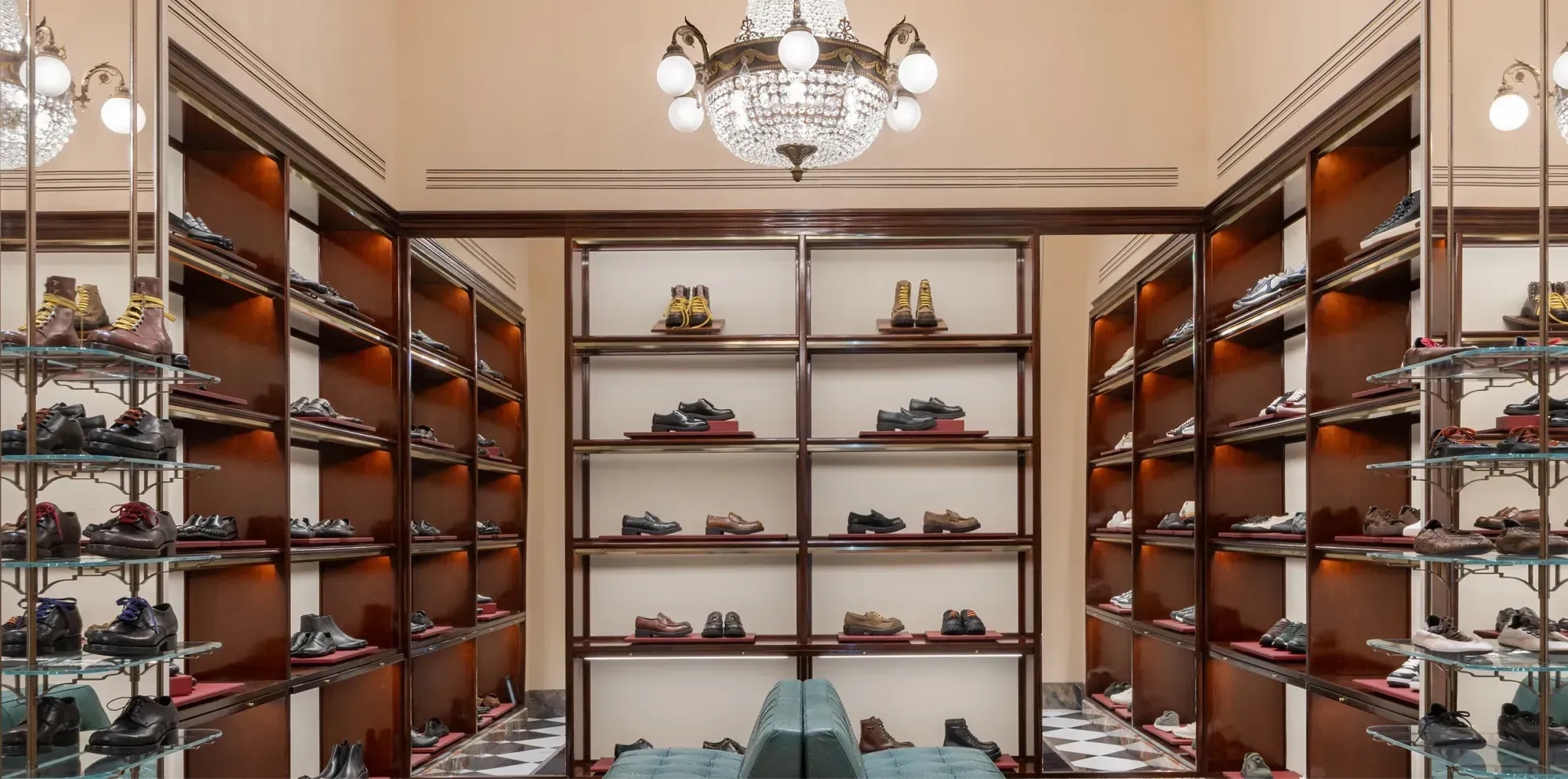
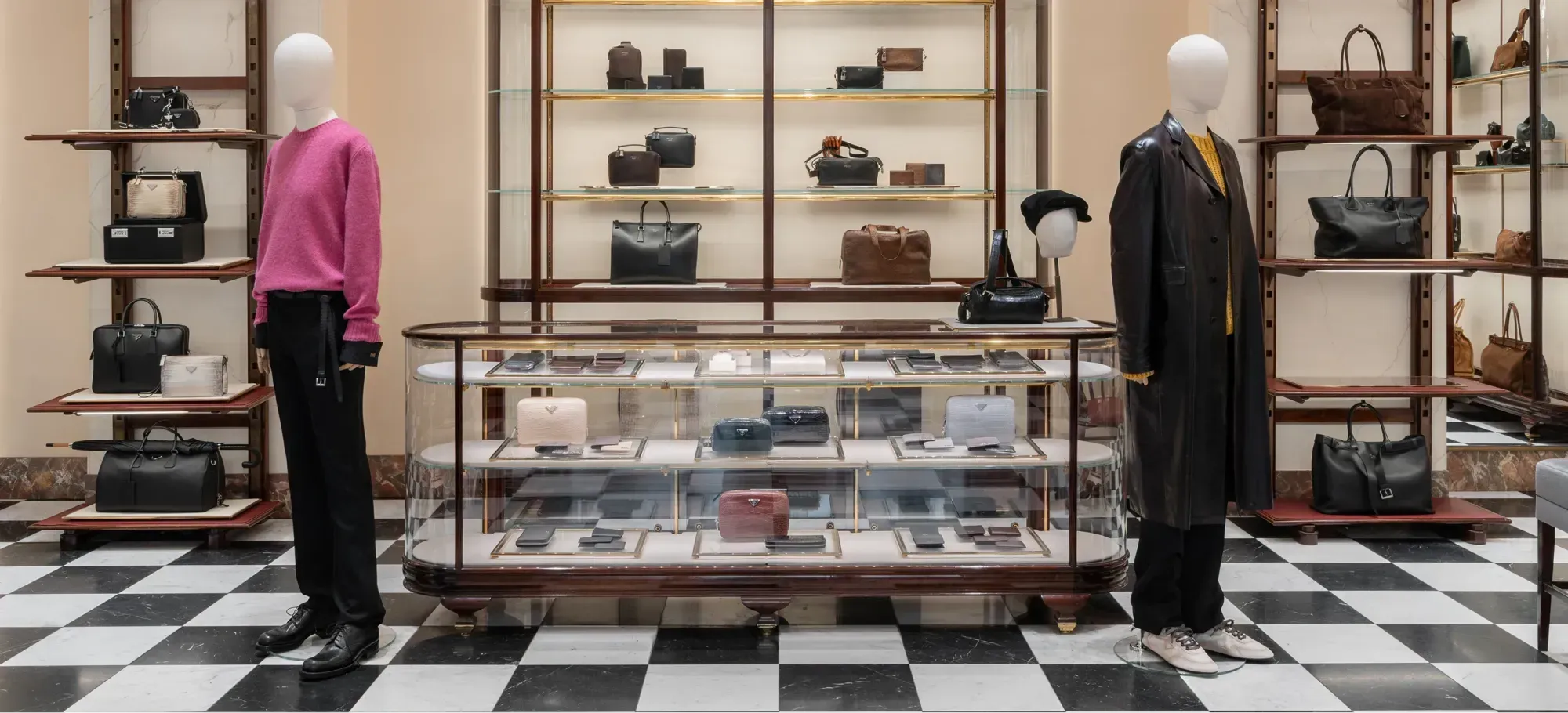
Prada Uomo holds the ground floor opposite Prada Donna, and the rest of the building stacks above it. It repeats the codes of the first shop: checkerboard marble floors, vaulted ceilings and mahogany vitrines.
Marchesi 1824, on the mezzanine
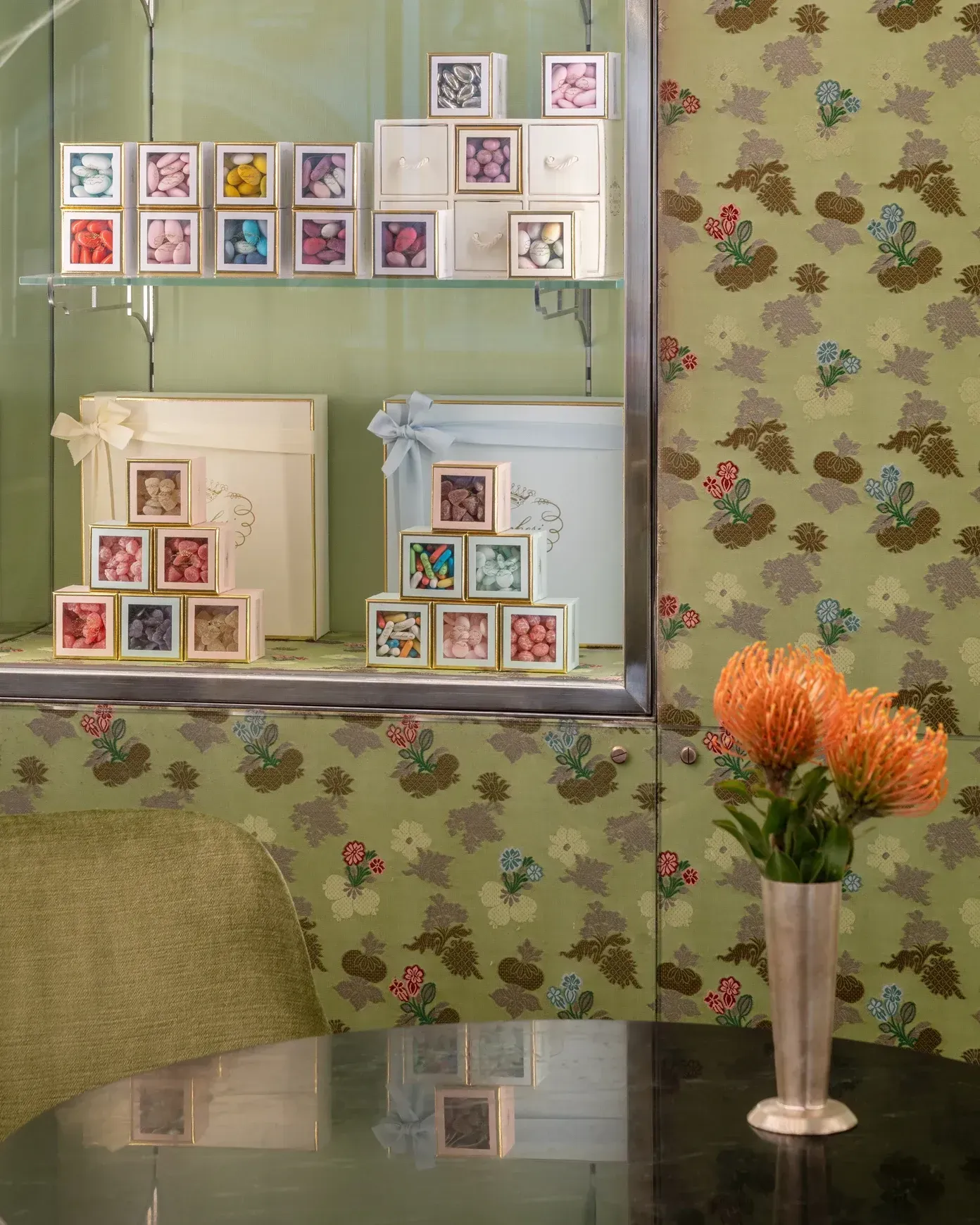
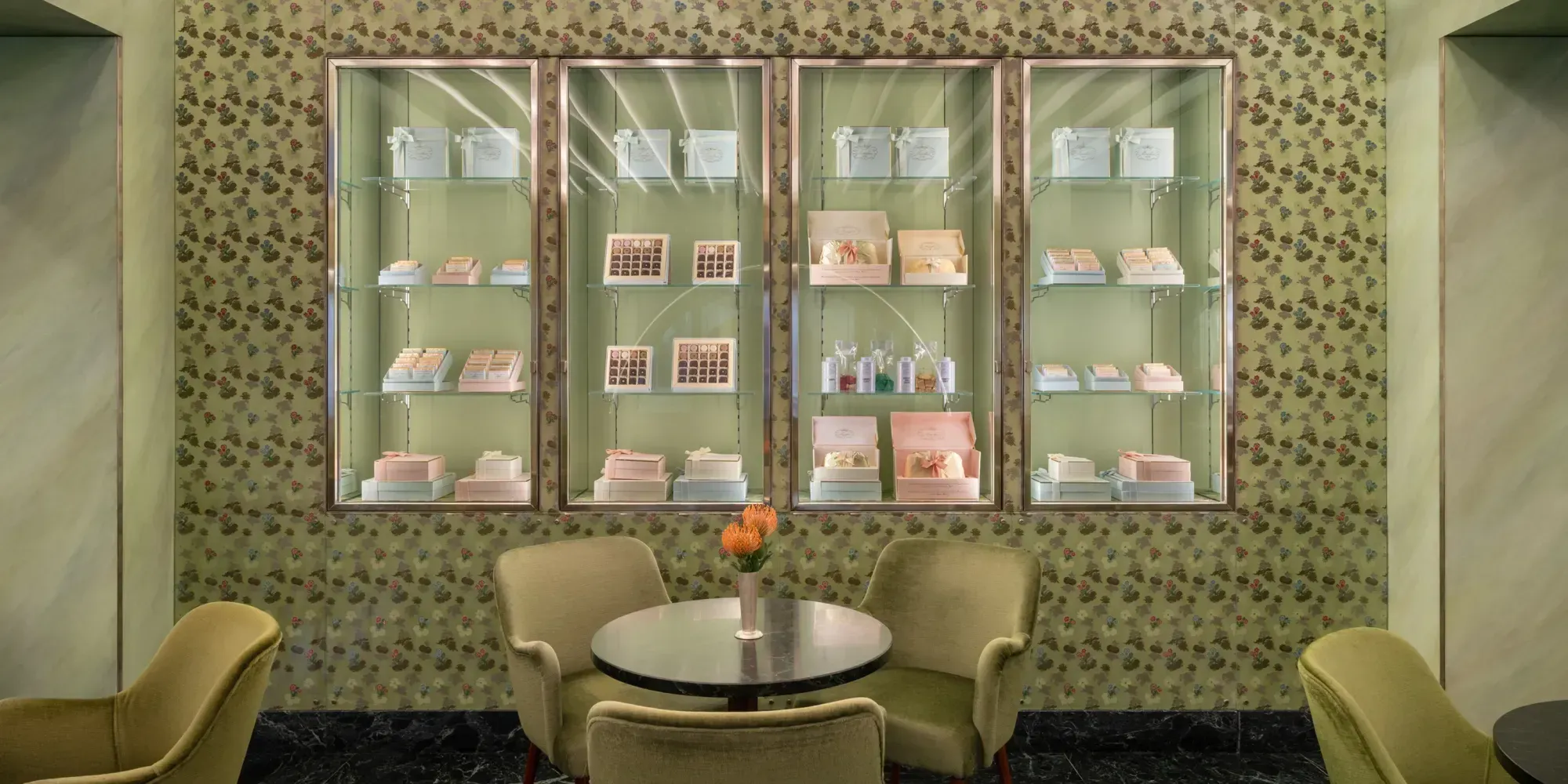
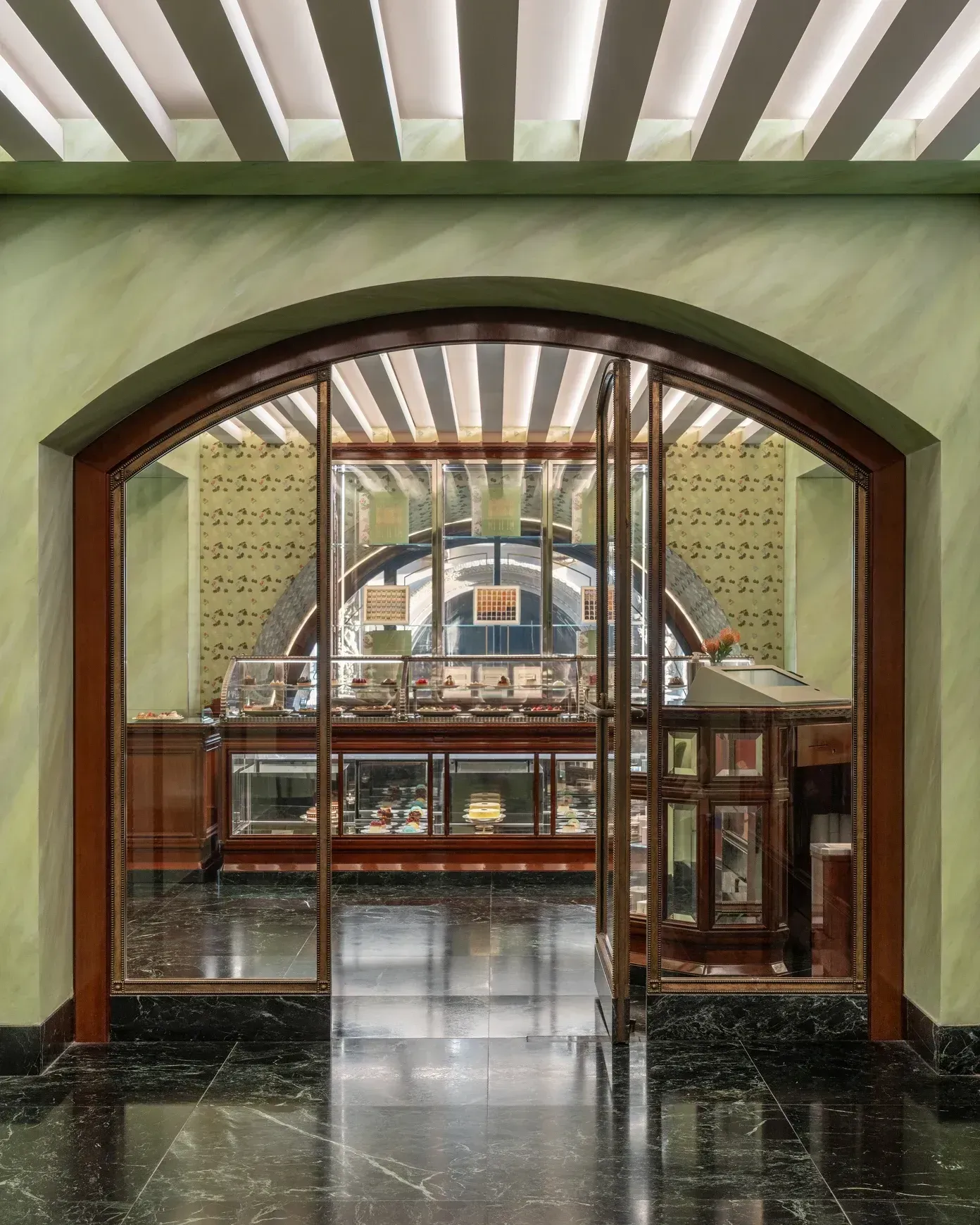
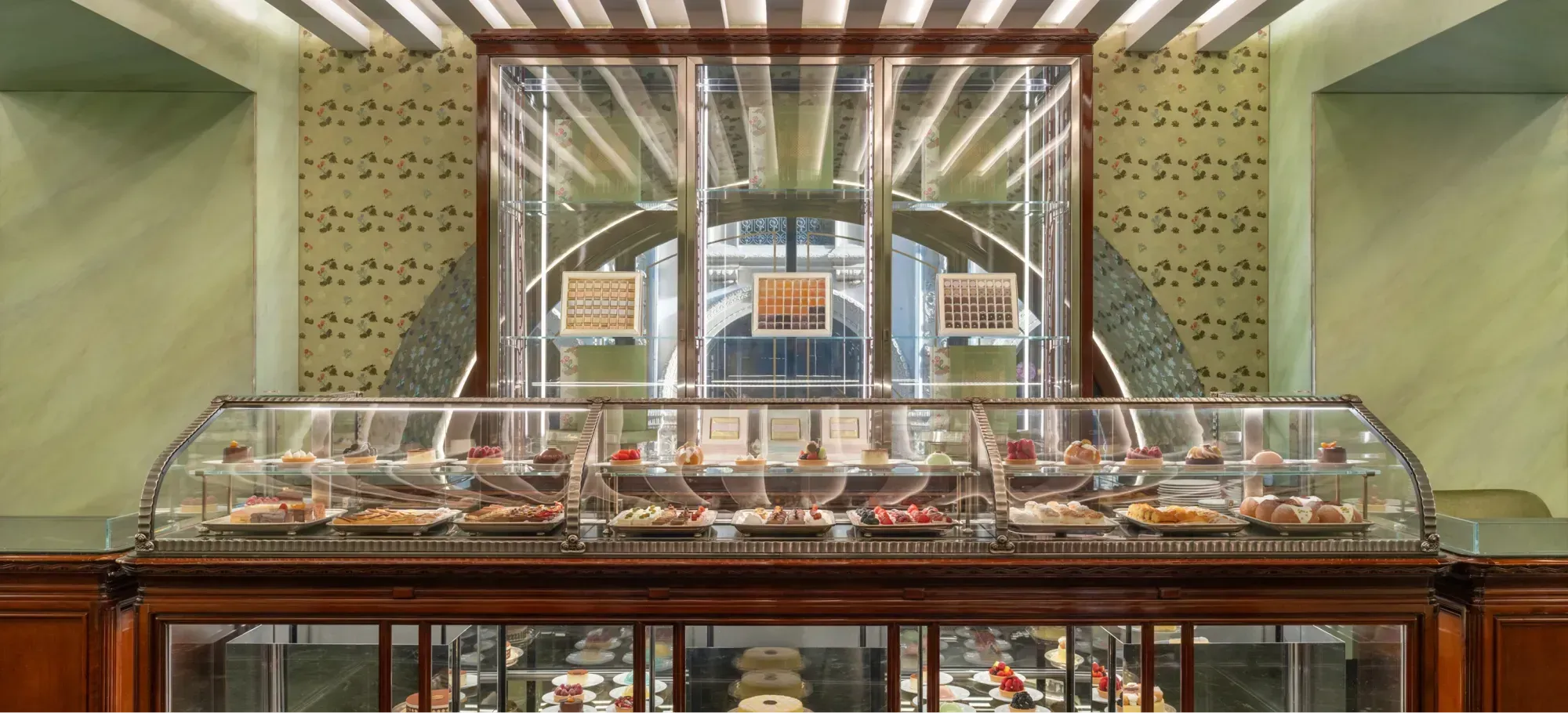
One flight up is Marchesi 1824. Pasticceria Marchesi was founded in 1824 in an 18th-century building on Via Santa Maria alla Porta, where the original furnishings, antique mirrors, decorated ceilings and Art Deco lamps remain. The Galleria outpost sells the house pastries and chocolate, Milanese panettone, and a changing list of sweet and savory dishes. Its entrance wall is upholstered in Bouquet jacquard silk, and the fresh pastry counter is built in cherry wood. It is open every day from 7:30 am to 9 pm, and tables can be booked.
Pradasphere
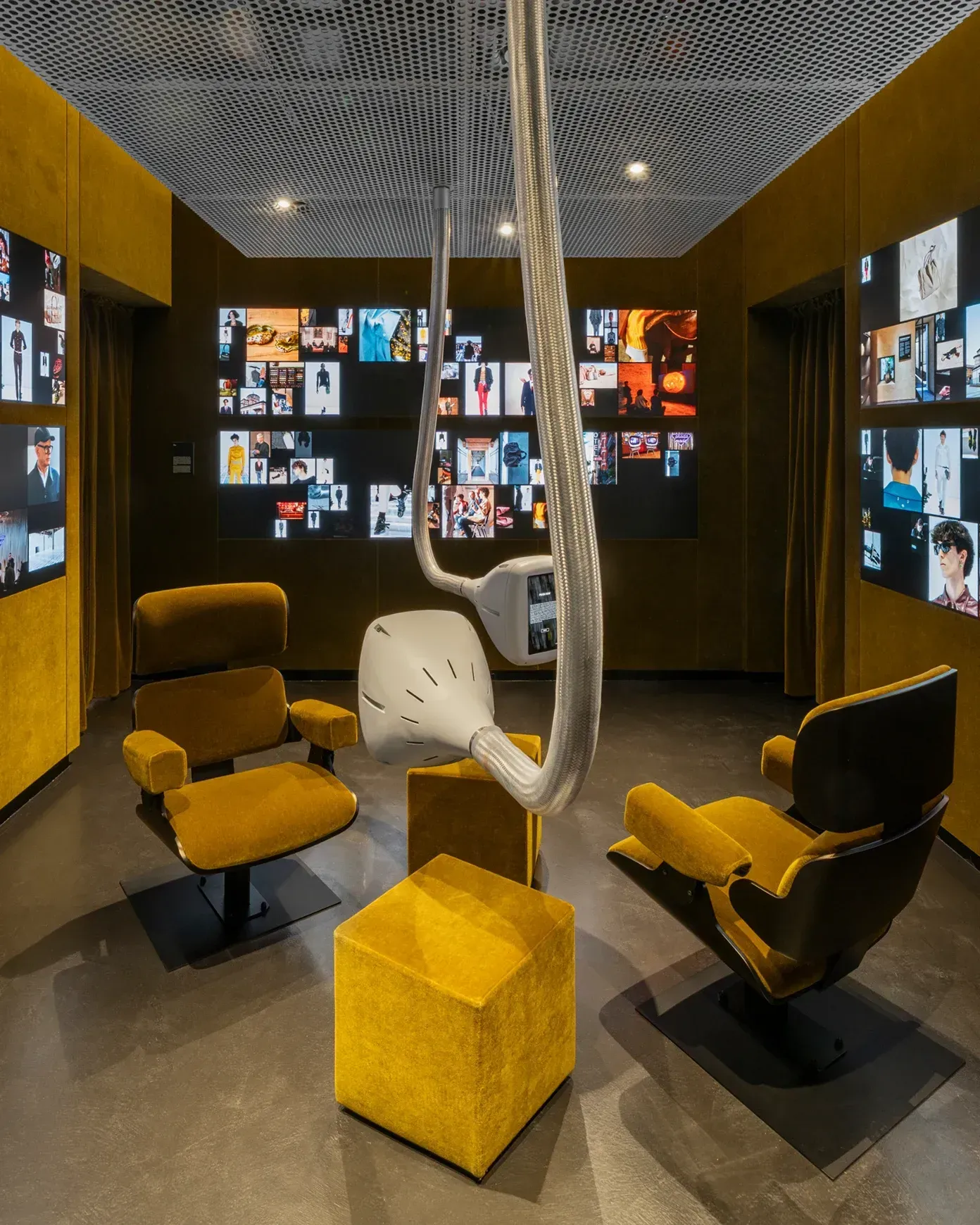
Above the pastry shop, Pradasphere tells the house's story in the building where it began, in three parts: Origins, Evolution and Perspectives.
Origins starts with Mario Prada, who built Fratelli Prada's name on travel goods made from leathers, silver, silk and crystal sourced across Europe and beyond, sold as oggetti di lusso. It follows Miuccia Prada taking over the family business in the 1970s. Her first designs were bags in industrial nylon, a move that questioned what luxury was supposed to be made of, and her partnership with Patrizio Bertelli turned a regional company into a global one.
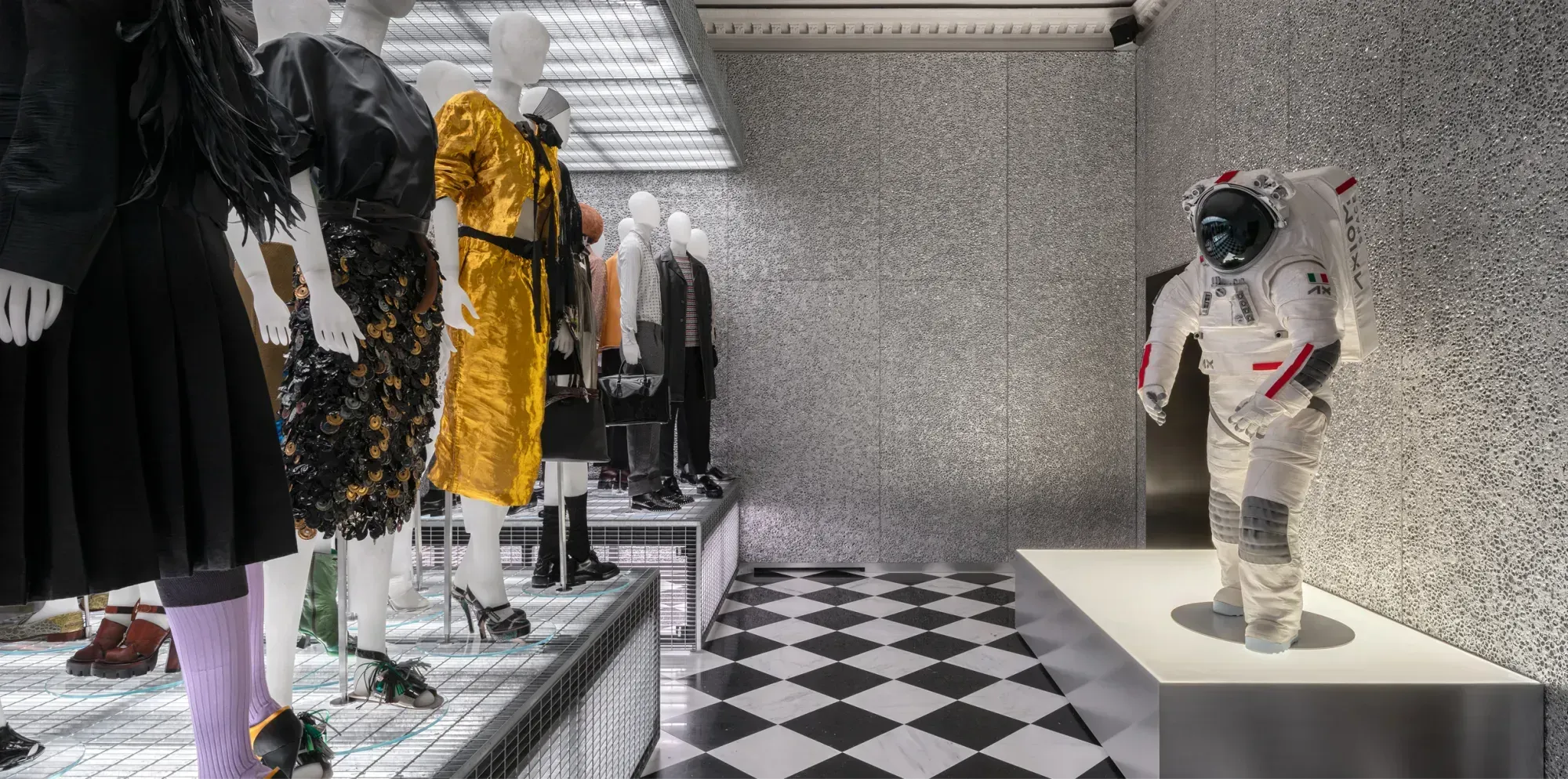
Evolution picks up with her first collection in 1988. She has said she began making clothes because she could not find anything she wanted to wear. Against the excess of the decade, the collections went spare: plain silhouettes, austere palettes and materials that unsettled accepted ideas of luxury.
Perspectives covers the four decades since, in which Miuccia Prada has taken apart the conventions of the women's wardrobe. She has described her own process as contradictory by design, questioning each assumption until she arrives somewhere new.
Entry is by reservation or invitation. Guests are asked to arrive at the start of their slot, and entry is allowed up to 15 minutes after it. The route is accessible to visitors with reduced mobility, and staff are on hand to help. Personal photography is permitted unless a work is marked otherwise; flash, tripods and selfie sticks need prior authorization.
The Studio
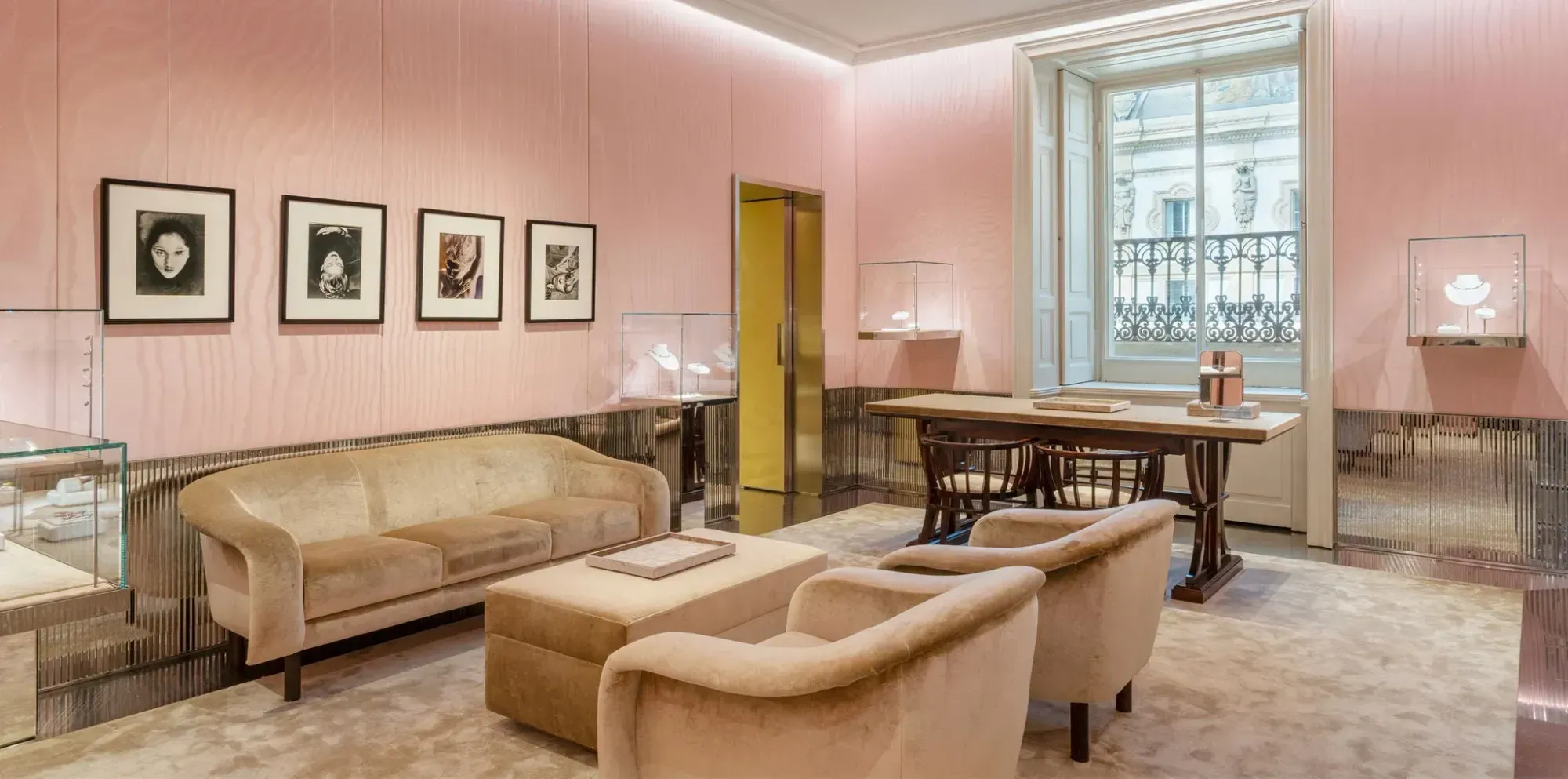
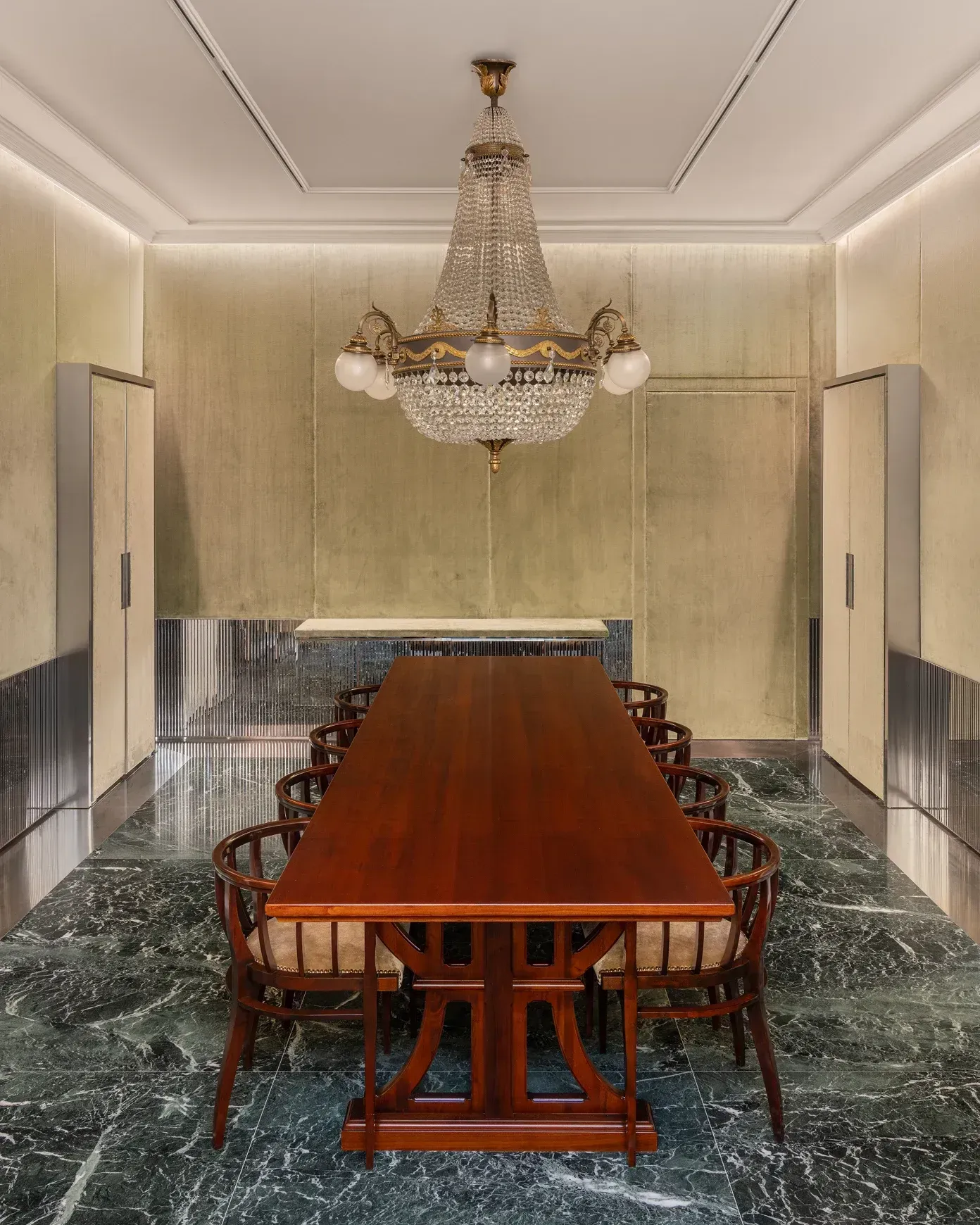
The Studio is an invitation-only floor for Prada's private clients: a run of small salon rooms for one-to-one appointments, with walls upholstered in velvet and moiré silk and a mix of contemporary and period furniture. It is set apart from the pace of the stores below.
The Appartamento
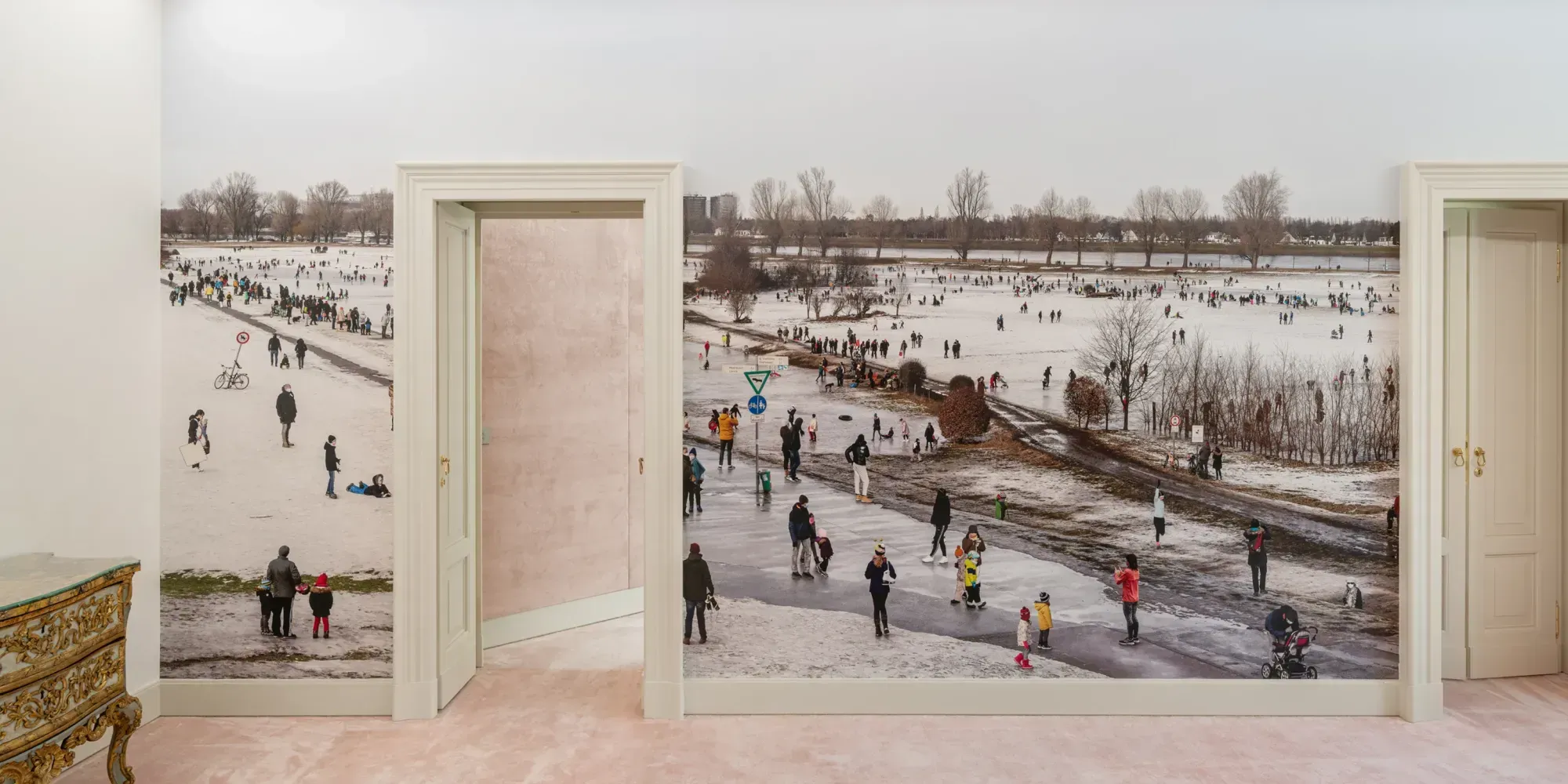
The Appartamento is also invitation-only, kept for private dinners and occasions. It is laid out as an imagined 18th-century apartment, with living and reception rooms, a dining room and private quarters, and it pairs antique Italian furniture with contemporary art. The art is by Andreas Gursky, who curated the exhibition of his own work here and developed the concept for the space with Prada. His relationship with the house goes back to the 1990s.
Osservatorio, under the dome
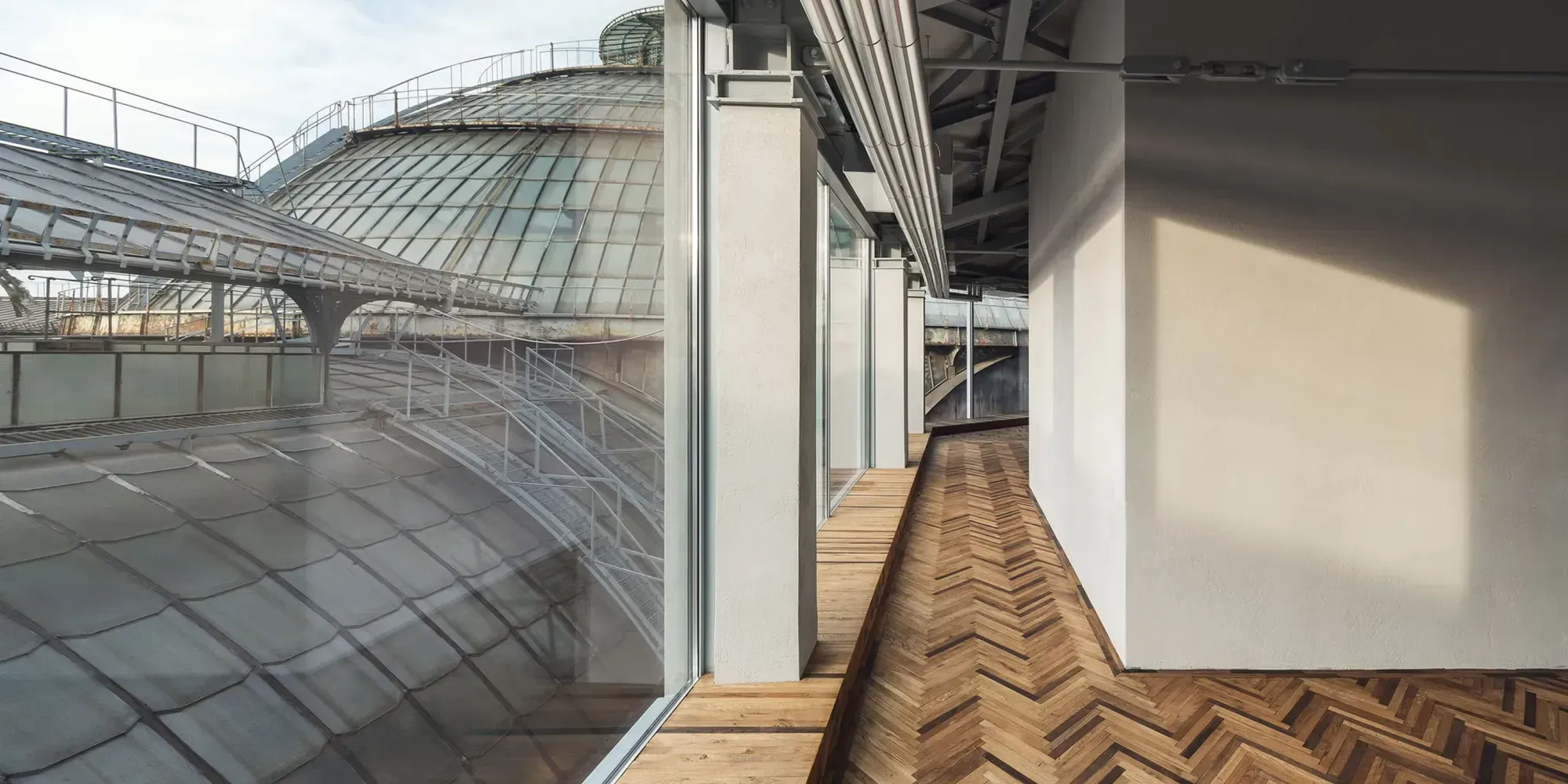
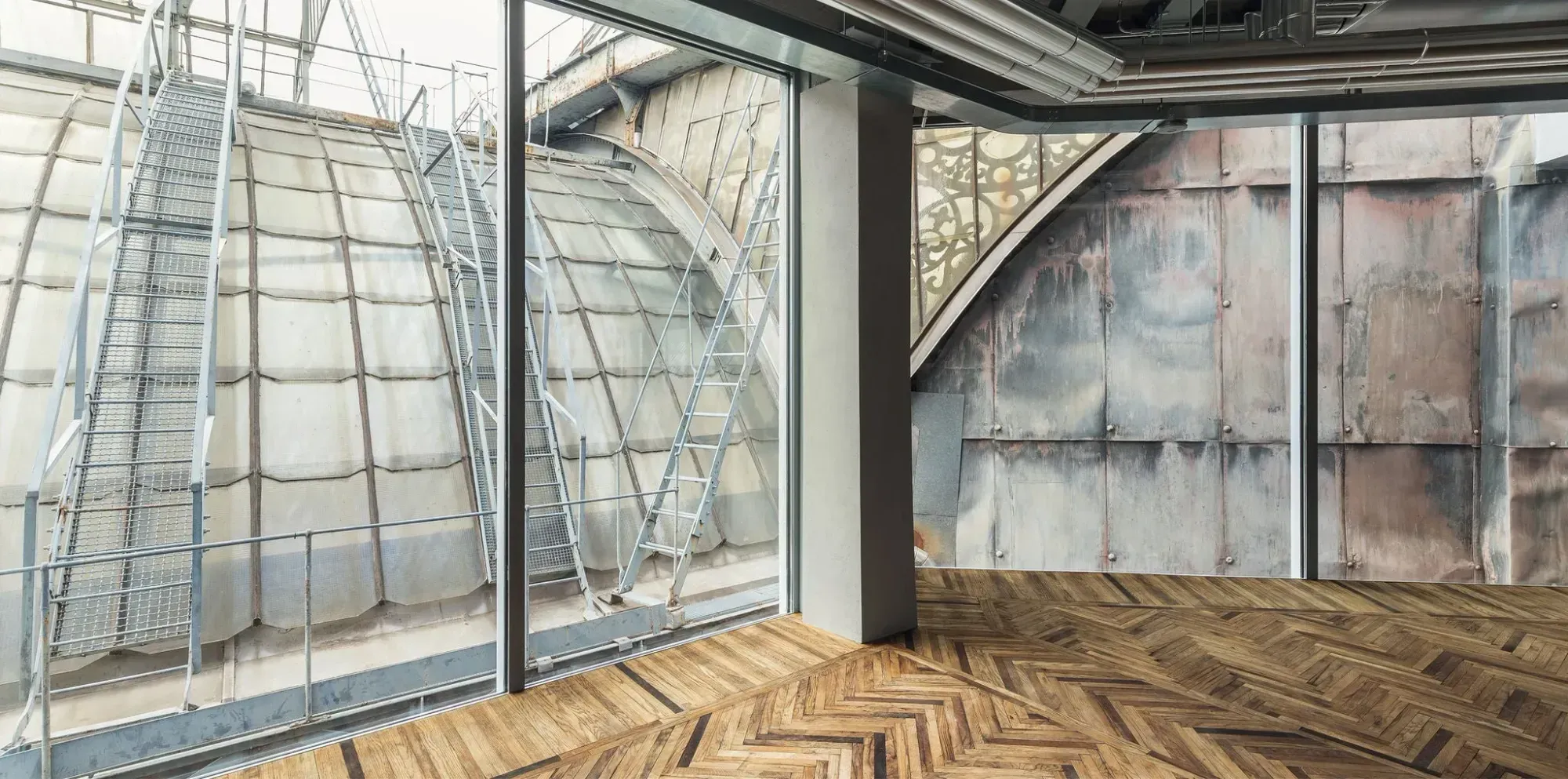
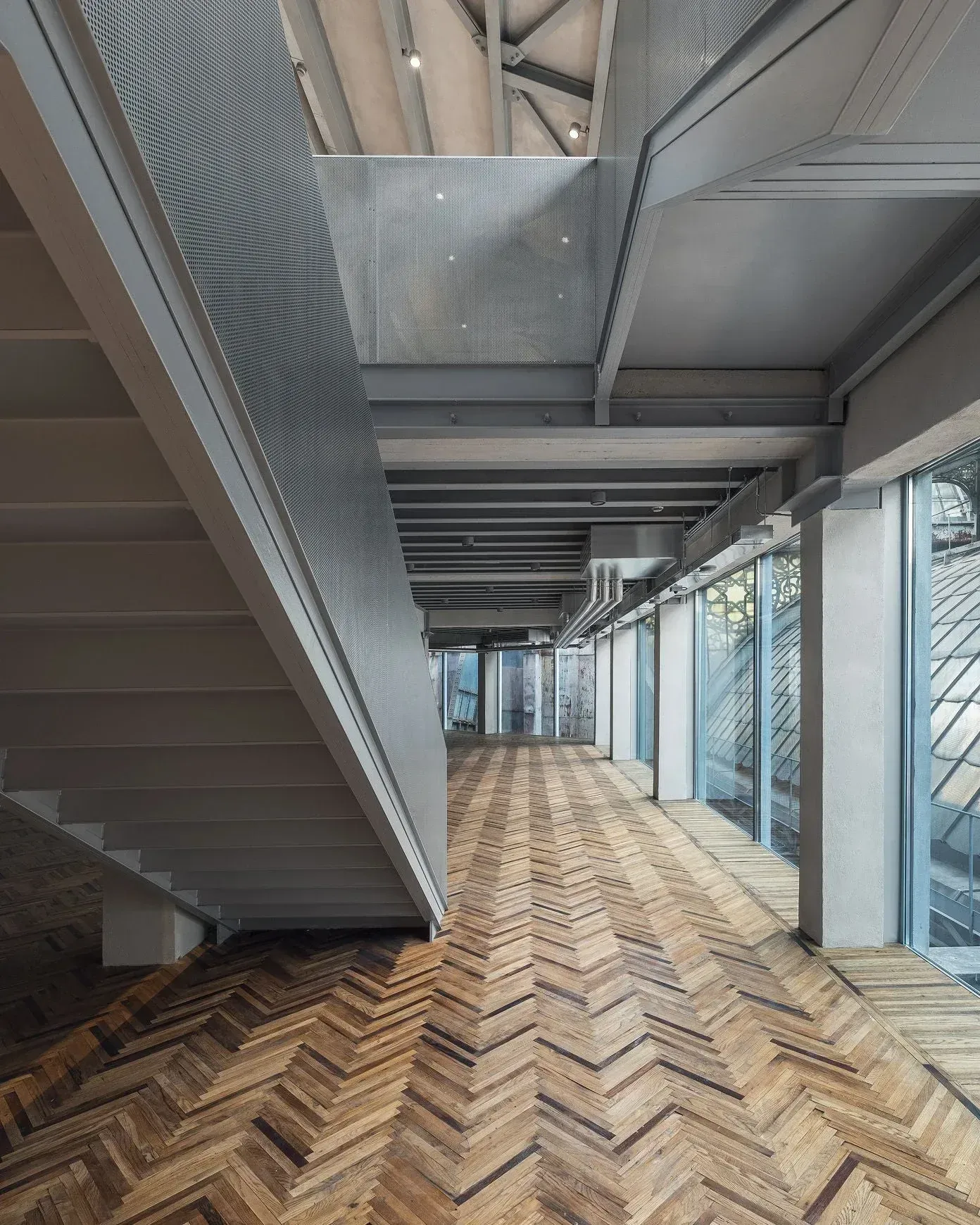
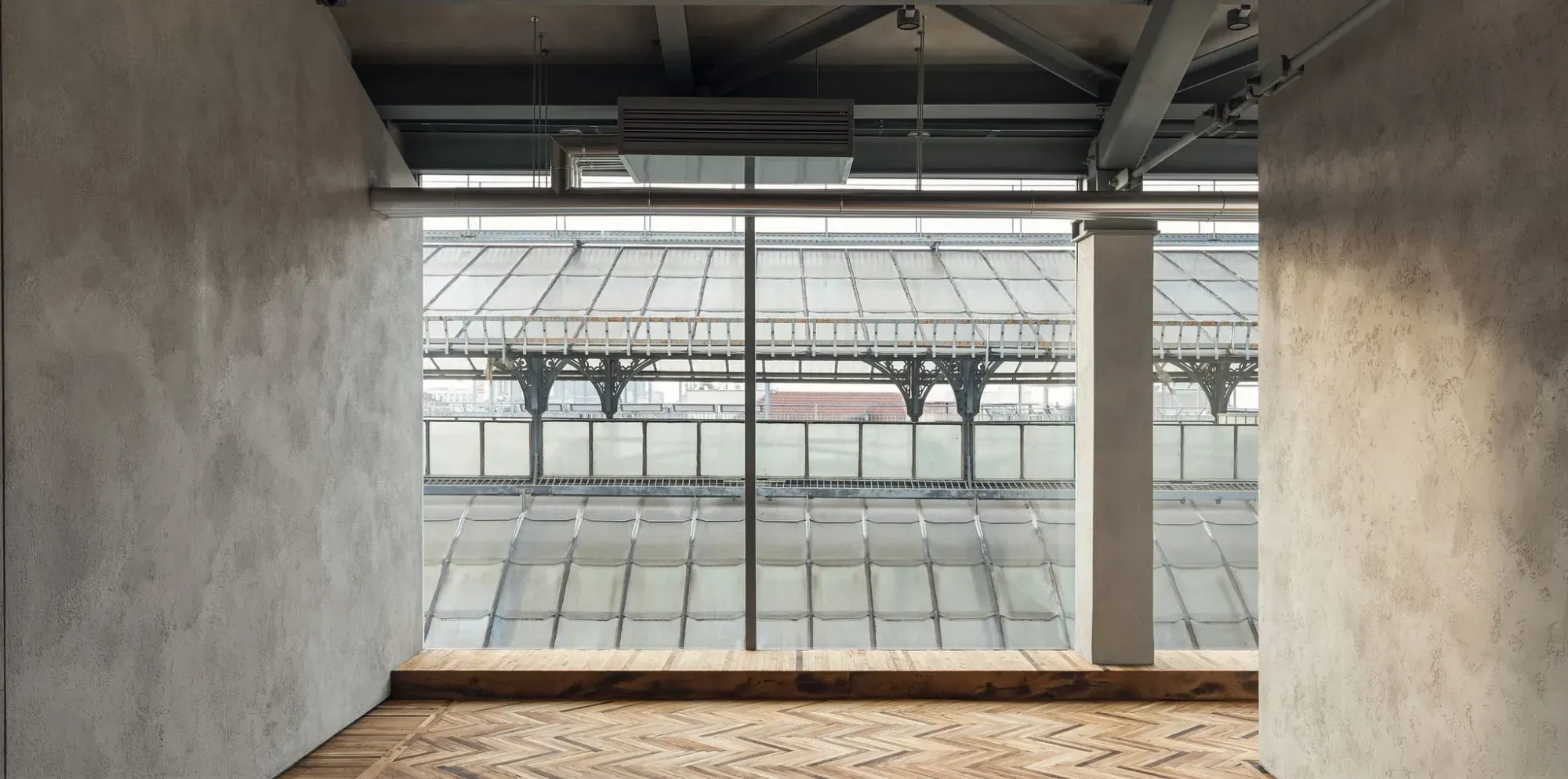
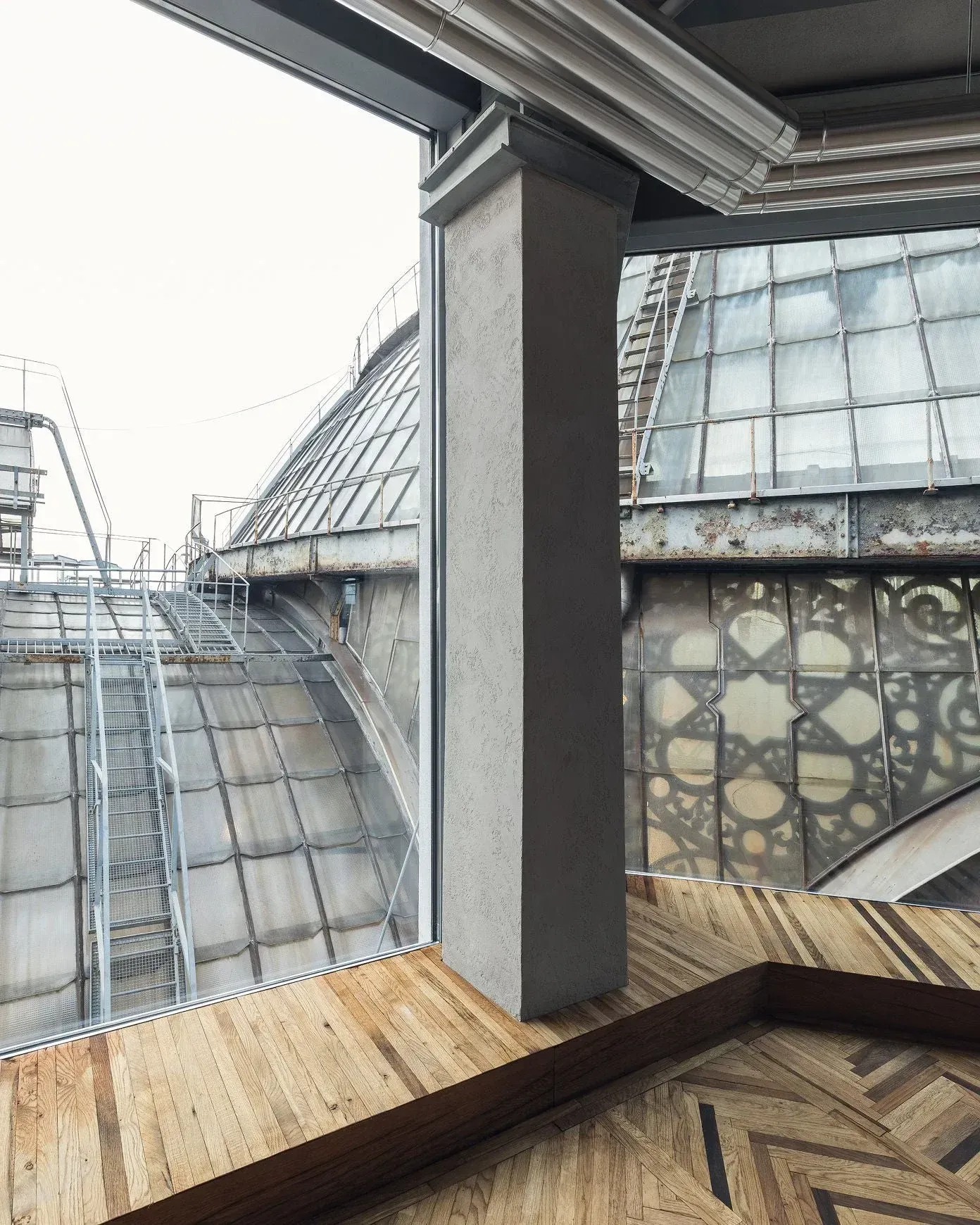
The top two floors belong to Osservatorio Fondazione Prada, which has occupied them since 2016. The interiors were rebuilt after the 1943 bombings of central Milan, and the restoration kept the original structure, down to the reinforced concrete surfaces and wooden floors. Its roughly 800 square meters of gallery space run across two levels, with windows onto the dome and the city center. The program covers photography, new media, digital culture, artificial intelligence and video art. It is open every day from 10 am to 8 pm.
Visiting
Prada Galleria is in Galleria Vittorio Emanuele II, between the Duomo and La Scala. Prada Donna, Prada Uomo and Passaggio Segreto are open Monday to Saturday from 10 am to 7:30 pm and Sunday from 10:30 am to 7:30 pm, with appointments available. Pradasphere is open daily from 10 am to 8 pm, by reservation. Marchesi 1824 is open daily from 7:30 am to 9 pm, and Osservatorio daily from 10 am to 8 pm. The Studio and the Appartamento are by invitation only.